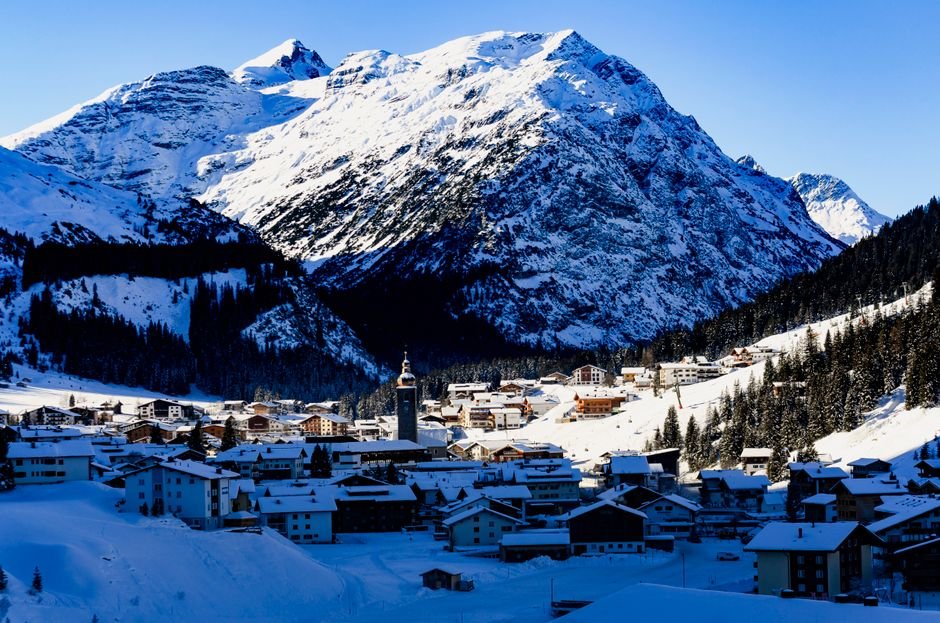
things to do in keystone co include skiing, mountain walks, lakeside fun, and easygoing time in the Colorado Rockies. Keystone is a resort community in Summit County, United States, about 90 miles west of Denver.
The destination is best known for Keystone Resort, but there is more to enjoy than winter sports. In summer, trails, mountain biking, and nearby Dillon Reservoir make it a useful base for outdoor adventures. River Run Village and Lakeside Village add shops, restaurants, and places to relax between activities.
Keystone sits at high elevation, and its mountain weather can change quickly. Give yourself time to adjust, check current road and lift conditions, and plan activities that suit your fitness level and the season. This guide to things to do in keystone co covers practical ideas for first-time visitors, families, and travelers on different budgets.
20 Things to Do in Keystone CO
Tip 1 – Ski or snowboard at Keystone Resort
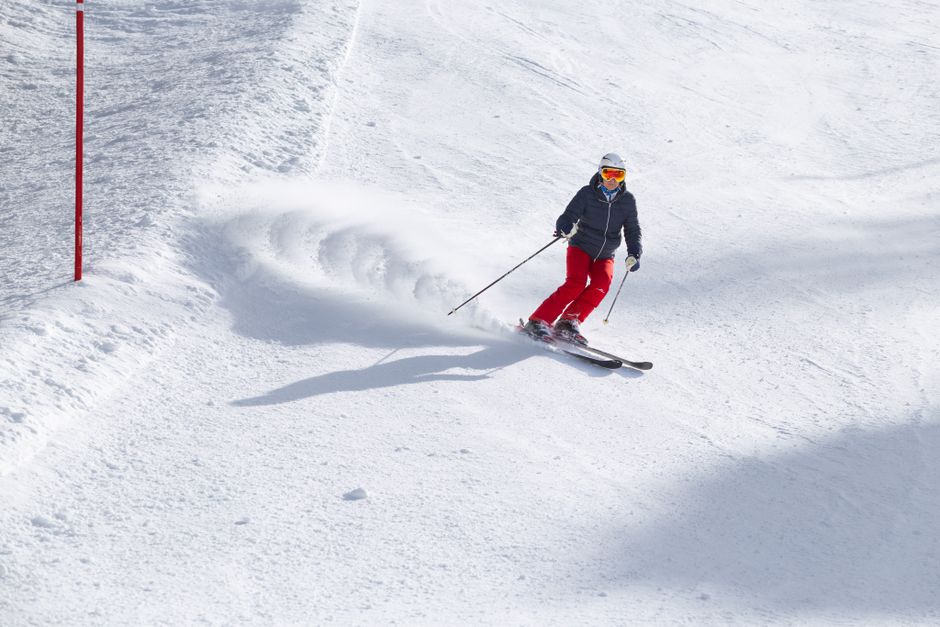
In winter, skiing and snowboarding are the main reasons many people visit. Keystone has terrain for different experience levels, along with several mountain areas and groomed runs. Beginners should consider a lesson, while experienced skiers can check the resort’s current trail and lift information before setting out.
Lift tickets, lessons, and equipment can cost a lot, especially during busy holiday periods. Check Keystone Resort’s official website for current opening dates, ticket options, and mountain updates. Booking ahead can help you plan, but always review the cancellation terms.
Tip 2 – Try night skiing
Keystone is known for offering night skiing on selected dates and terrain, which can add extra time on the mountain after a day of other activities. Evening operations change with the season and conditions, so confirm which lifts and runs are open before you make plans.
Dress in warm layers, bring goggles suited to lower light, and leave time to get back to your lodging. Night skiing may not be the best choice if you are tired or still learning the basics, but it can be a memorable option for confident skiers.
Tip 3 – Go snow tubing at Adventure Point

Snow tubing at Adventure Point is a fun alternative if your group does not want to ski all day. Riders slide down prepared lanes on tubes, and a lift takes them back up, so there is no need to hike uphill after each run. Check age, height, session, and booking requirements in advance.
It is a popular family activity, but tubing availability depends on snow and operating schedules. Wear waterproof gloves and warm boots, and arrive early for your reserved time. For another family holiday idea, see this guide to 20 fun things to do in Honolulu with kids.
Tip 4 – Explore River Run Village
River Run Village is a convenient place to stroll, shop, eat, and meet up before or after mountain activities. Its pedestrian-friendly layout makes it easy to spend a relaxed hour browsing local stores or warming up with a drink. The village is liveliest during ski season and event weekends.
Prices and crowds can be higher at peak times, so consider eating outside the busiest lunch and dinner windows. If you are staying elsewhere, check parking rules and shuttle options before driving into the village.
Tip 5 – Visit Lakeside Village and Keystone Lake
Lakeside Village is built around Keystone Lake and offers a quieter setting for a walk, a meal, or a pause by the water. In winter, the lake may be prepared for ice skating when conditions allow. In warmer months, enjoy the mountain views and check whether seasonal lake activities are operating.
Do not assume the lake is safe to walk or skate on just because it looks frozen. Follow posted instructions and use only areas officially opened for recreation. Bring a warm layer even on sunny days, as temperatures can drop near the water.
Tip 6 – Take a scenic mountain walk
Summer and early fall bring hiking options around Keystone, from short walks to longer routes with more elevation gain. Ask local visitor staff about current trail conditions, closures, and routes that match your ability. Start early in the day when possible, since afternoon storms are common in the mountains during warmer months.
Pack water, sun protection, a light rain layer, and a map you can use offline. High elevation can make a familiar distance feel harder than expected. Turn around if you feel unwell or the weather becomes unsettled.
Tip 7 – Try mountain biking in summer

When the snow melts, Keystone’s mountain biking trails offer a different way to experience the resort. Options may include lift-served downhill riding as well as routes for riders who prefer to pedal. Trail access, lift operations, and bike rentals vary, so check conditions and operating dates before traveling.
Use a properly fitted helmet and choose trails that suit your skill level. If you are new to downhill riding, consider a lesson or start with an easier route. These trails can be demanding, and a rental bike does not replace experience or good judgment.
Tip 8 – Enjoy a gentle walk along the Snake River
The Snake River passes through the Keystone area, creating peaceful spots for a short walk and a look at the surrounding mountain scenery. Follow marked paths and respect signs around wetlands, private property, and wildlife habitat.
Water levels and trail conditions change through the year. Keep children close to the river, stay off unstable banks, and do not approach wildlife for photos. A quiet riverside walk can be a pleasant lower-cost activity between bigger outings.
Tip 9 – Spend time at Dillon Reservoir
Dillon Reservoir, also called Lake Dillon, is a short drive from Keystone and offers a scenic change of pace. Depending on the season, visitors can enjoy shoreline walks, boating, or simply views of the water and surrounding peaks. Check local operators and access points for current schedules and rules.
The reservoir is not in Keystone itself, so account for travel time and parking. Wind can make the water feel cold even on a bright day. If you plan to boat, check weather conditions and rental requirements before leaving your lodging.
Tip 10 – Take a drive toward Loveland Pass

Loveland Pass is a high mountain pass reached by a scenic drive from Keystone. The views can be dramatic, but the road is exposed to weather and may be affected by snow, wind, or closures. Check current road conditions before setting out, and do not drive up simply because the forecast looks clear in the valley.
The elevation is very high, so keep walks short and take it slowly. Bring warm clothing, stay well away from traffic, and avoid standing on snowbanks or unstable roadside areas. If conditions look poor, choose a lower-elevation outing instead.
Tip 11 – Look for local events and live entertainment
Keystone hosts seasonal activities and events, with schedules that can vary from one year to another. Check the resort calendar and local visitor information before your trip for concerts, family programs, festivals, or special mountain events.
Some events are included with other activities, while others may require a ticket or advance reservation. If a particular event is important to your trip, confirm its date and location directly rather than relying on an old listing.
Tip 12 – Enjoy a relaxed meal in the villages
Keystone has casual dining and sit-down options around River Run Village and Lakeside Village. Menus and opening hours change seasonally, and popular places can fill up during ski weekends and holidays. Look for Colorado-inspired dishes, warm drinks, and hearty meals after time outdoors.
For better choice, book ahead when reservations are available or eat a little earlier than the main dinner rush. If you have dietary needs, contact the restaurant in advance. Grocery shopping or preparing a simple meal at your lodging can help balance the cost of resort dining.
Tip 13 – Give yourself time to adjust to the altitude

Keystone sits at high elevation, and some visitors feel short of breath, tired, or headachy during their first day or two. Keep your first day gentle, drink water regularly, and avoid trying to fit a strenuous hike and a full day on the slopes into the same arrival day.
Alcohol and hard exercise may feel more intense at altitude. If symptoms become severe or worsen, seek medical help rather than assuming they are normal. People with health concerns can ask a clinician for advice before a high-altitude trip.
Tip 14 – Choose a family-friendly activity mix
Families can combine tubing, beginner ski lessons, village walks, and seasonal lake activities rather than planning a full day of one demanding sport. Build in snack breaks and warm-up time, especially with young children. Check minimum ages and equipment rules before booking.
For a quieter day, pick a short walk or spend time around the villages. Bringing familiar snacks, spare gloves, and an extra layer can make outdoor plans easier for children and adults alike.
Tip 15 – Find lower-cost ways to enjoy Keystone
Not every good day in Keystone needs a lift ticket. Walking through the villages, enjoying public viewpoints, taking a short nature walk, or relaxing by the lake can be enjoyable ways to spend time without paying for a major activity.
Costs rise quickly when you add equipment, lessons, dining, and parking. Compare rental options and activity prices before arrival, and check whether your lodging offers shuttle service or equipment storage. Free or low-cost options still depend on weather and seasonal access.
Tip 16 – Use resort shuttles and plan local transport
Keystone is spread across different lodging and activity areas, so check how far you are from the places you plan to visit. Resort shuttles may serve parts of the community, but routes and schedules can change by season. Confirm current service with your lodging or the resort.
A car can be useful for nearby destinations, but winter driving requires caution and suitable equipment. Allow extra time after snowfall, keep fuel in the vehicle, and check road conditions before leaving. Do not assume every village or trailhead is a short walk away.
Tip 17 – Pack for changing mountain weather
Mountain weather can shift from sunshine to rain or snow within a short time. Pack layers, a waterproof outer shell, comfortable walking shoes, sun protection, and warm accessories. In winter, waterproof gloves and insulated footwear are especially useful.
At altitude, the sun can feel strong even when the air is cold. Sunglasses, sunscreen, and lip balm are useful in every season. Check the forecast shortly before each outing and adjust your plans if conditions change.
Tip 18 – Book popular activities ahead
During winter weekends, holidays, and busy summer dates, lessons, rentals, tubing sessions, and lodging can fill up. Make reservations for activities that have limited capacity, and check whether your booking includes equipment or transportation.
Read the change and cancellation policy before paying. If your plans depend on weather, leave some flexibility in your schedule and keep an indoor or low-key alternative in mind.
Tip 19 – Follow local safety and wildlife guidance
Stay on marked trails, obey closure signs, and keep a respectful distance from wildlife. Mountain roads can be icy, trails can be muddy or snow-covered, and afternoon thunderstorms can arrive quickly. Tell someone your plan if you are heading out alone.
For emergencies in the United States, call 911. For non-emergency road or activity updates, use official local sources. The common visitor mistake is underestimating the altitude and travel time, then trying to fit too much into one day. A slower plan is often safer and more enjoyable.
Tip 20 – Learn a few practical local phrases and customs
English is widely used in Keystone. A friendly “hello,” “please,” and “thank you” go a long way, and staff appreciate clear questions about trail difficulty, shuttle stops, or booking rules. Tipping is customary at many U.S. restaurants and for some services, though exact expectations depend on the setting.
Respect quiet hours at lodging, follow posted parking rules, and pack out any rubbish from trails and outdoor areas. If you are unsure whether an area is public or open for recreation, ask before entering.
Visa & Entry Requirements
Keystone is in Colorado, United States. Entry rules are set at the national level, and visa, passport-validity, authorization, vaccination, customs, and length-of-stay requirements depend on the traveler’s passport and current U.S. government policy. Rules can also differ according to the purpose of travel, such as tourism, study, or work, so do not rely on another traveler’s experience as a guarantee.
Before booking, check the U.S. Department of State’s official visa information and the U.S. Customs and Border Protection travel guidance. Travelers who may qualify for an electronic travel authorization should confirm the current process through the official U.S. government sources. An authorization or visa does not guarantee admission; final decisions are made by U.S. border officials.
Check that your passport will be valid for your trip and confirm whether your circumstances require a particular validity period or blank pages. Rules can vary by passport and may be affected by current policy. Keep copies of important documents separately from the originals, and make sure your name and travel details match across bookings.
It is sensible to carry evidence of your return or onward travel and accommodation details in case you are asked about your visit. Consider travel insurance that covers your planned activities, including skiing or other sports if relevant. Review customs rules before packing food, medication, cash, or goods to declare. Requirements for vaccination and other health measures can change, so check current official guidance close to departure.
For final requirements, use the U.S. government website or contact the U.S. embassy or consulate serving your area. This is general travel information, not legal advice, and no summary can guarantee entry or a specific length of stay.
Quick Reference for Things to Do in Keystone CO
| Activity | Best season | Useful to know |
|---|---|---|
| Skiing and snowboarding | Winter | Check lift status, tickets, lessons, and snow conditions. |
| Snow tubing | Winter | Confirm session times and age or height requirements. |
| Village strolls | Year-round | River Run is lively; Lakeside offers a quieter lake setting. |
| Hiking and mountain biking | Summer to early fall | Check trail access, weather, and your fitness level. |
| Dillon Reservoir outing | Late spring to fall | Plan for a short drive and check seasonal activity access. |
| Loveland Pass scenic drive | When road conditions allow | Check closures and weather; the pass is at very high elevation. |
Useful Travel Information for Keystone
Best time to visit
Winter is the main season for skiing and snowboarding, with the busiest dates often around holidays and weekends. Summer and early fall are better for hiking, biking, and lake outings. Spring and fall can be quieter, but some lifts, trails, and businesses may operate on reduced schedules.
Getting to Keystone
Many visitors arrive by car from Denver International Airport, but mountain driving can take longer than expected, especially in winter. Check current road conditions before departure and allow extra time for weather and traffic. If you plan to use shuttles, confirm routes and operating hours with your lodging or local providers.
Safety and useful apps
Save offline maps before leaving areas with reliable service, and check official resort, weather, and road updates each day. A weather app is useful, but mountain conditions can change quickly, so use it alongside local advisories. Keep your lodging address and emergency contact information accessible.
FAQs About Things to Do in Keystone CO
What are the best things to do in Keystone CO in winter?
Skiing and snowboarding are the main winter activities, while snow tubing, village visits, and seasonal ice skating can offer alternatives. Check current conditions and operating schedules before you go.
Is Keystone, Colorado, good for families?
Yes. Families can choose from lessons, tubing, village walks, and seasonal activities. Confirm age requirements and book popular sessions in advance, especially during school holidays.
Can you visit Keystone without skiing?
Yes. You can enjoy the villages, look for a lake activity when available, take a short walk, or explore nearby scenery. Some activities are seasonal, and transportation between areas may be needed.
How many days should I spend in Keystone?
Two or three days gives many visitors time for a main activity, a relaxed village visit, and a nearby outing. Add more time if you want multiple full days on the slopes or a slower family schedule.
Do you need a car in Keystone?
Not always. A resort shuttle may cover some local trips, depending on where you stay and the season. A car is helpful for nearby destinations, but winter road conditions and parking should be part of your plan.
What is the most common visitor mistake in Keystone?
Trying to do too much too quickly is a common mistake. High elevation, mountain weather, and driving conditions can all slow your plans. Keep your first day manageable and leave room for changes.
Conclusion
The best things to do in keystone co depend on the season, your interests, and how much time you want to spend outdoors. Winter visitors can focus on skiing, snowboarding, and tubing, while summer trips bring hiking, biking, and time near the water.
Plan around the altitude and mountain weather, confirm activity schedules before you travel, and leave space in your itinerary for a relaxed meal or a quiet village walk. With a little preparation, Keystone can be an enjoyable base for exploring the Colorado Rockies.
1 thought on “20 Fun and Best things to do in keystone co”