
free things to do in dubai include beach walks, old-town lanes and waterfront views, so you can enjoy the United Arab Emirates’ most famous city without spending much.
Dubai is known for high-rise landmarks and luxury shopping, but many of its best experiences cost nothing. You can wander historic districts, relax on public beaches and watch the city glow at sunset. Keep in mind that getting around, buying food and using beach facilities may still add to your budget.
This guide focuses on activities with free entry or no required purchase. Check opening times and event details before setting out, as schedules and access can change.
20 Free Things to Do in Dubai
Tip 1 – Walk through Al Fahidi Historical Neighbourhood

Al Fahidi’s narrow lanes, wind towers and courtyards offer a quieter look at Dubai’s past. The neighbourhood is free to explore on foot, although some museums, cultural events and cafés charge for entry or purchases.
Go early or later in the afternoon to avoid the strongest heat. Wear comfortable shoes, and remember that some courtyards and buildings are private or have their own opening hours.
Tip 2 – Cross Dubai Creek on an abra
Traditional wooden abras link Bur Dubai and Deira across Dubai Creek. The ride is an inexpensive local experience, not a free one, but it costs very little compared with many sightseeing activities. Bring small cash or check current payment options before boarding.
After the crossing, explore the surrounding waterfront and historic lanes on foot. The Creek is especially atmospheric near sunset, though it can be busy at peak times.
Tip 3 – Browse the Gold and Spice Souks

Wandering through Deira’s Gold Souk and Spice Souk costs nothing, and the displays, colours and aromas make the visit worthwhile even if you are not shopping. Ask before taking close-up photos of shopkeepers or customers.
Prices are not always fixed, and buying is never required. If you do want a souvenir, compare a few shops and agree on the price before the purchase is completed.
Tip 4 – Stroll around Al Seef
Al Seef follows the creek near Al Fahidi, with heritage-inspired buildings, shaded walkways and open water views. Walking the public promenade is free, while restaurants, shops and some indoor attractions have their own prices.
It works well as an easy addition to a day in Old Dubai. Visit in the late afternoon, when the light is softer and the creek is pleasant to watch.
Tip 5 – Watch the Dubai Fountain near Burj Khalifa
The Dubai Fountain show is a popular free spectacle beside Dubai Mall and Burj Khalifa. Check the current show schedule before you go, since timings and operations can change. Arrive early for a view from the public promenade, especially during weekends and holiday periods.
You can watch without paying for a restaurant table or a boat ride. The area gets crowded, so allow extra time to reach your chosen viewing spot.
Tip 6 – See the Burj Khalifa from the ground
You do not have to buy a ticket to admire Burj Khalifa. Walk around the surrounding Downtown Dubai public spaces and look up at the tower from different angles. Going to the observation decks is paid, so check ticket prices separately if you want to go inside.
Pair the walk with the fountain area, but expect crowds around popular photo spots. Keep clear of entrances and follow any signs restricting access.
Tip 7 – Spend a beach day at Kite Beach
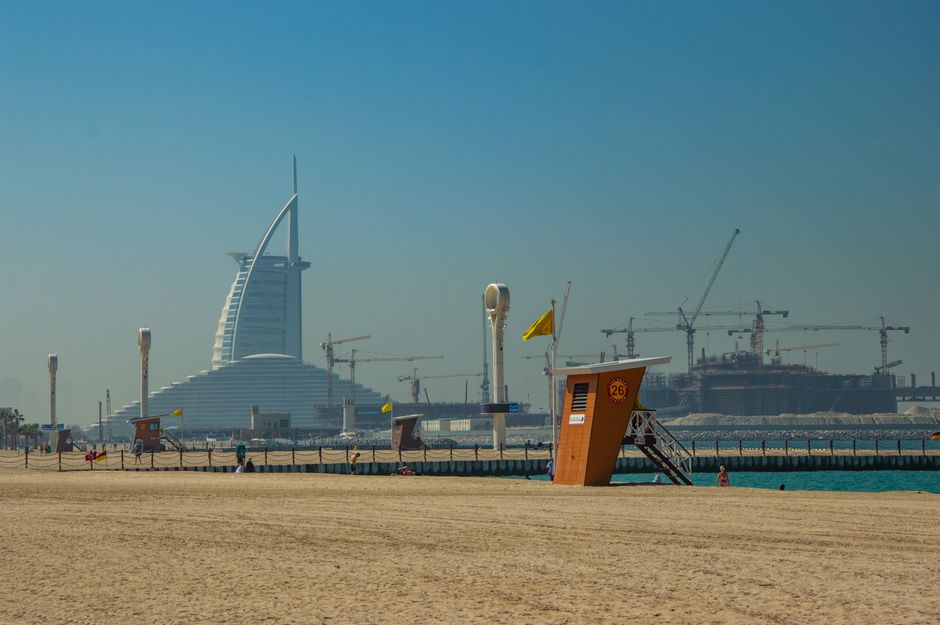
Kite Beach is a lively public beach with a long stretch of sand and views towards Burj Al Arab. Entry to the beach is free. Food, rentals, showers or other facilities may cost extra, so bring water and sun protection if you want to keep spending low.
Swimming conditions and lifeguard availability can vary. Follow beach flags and posted safety guidance, and avoid the hottest part of the day in summer.
Tip 8 – Walk along Jumeirah Beach and Umm Suqeim
Public beach areas around Jumeirah and Umm Suqeim make a simple place for a seaside walk and sunset views. Access and facilities can vary by section, so follow local signs and respect any restricted areas.
Bring a light cover-up for the walk to and from the beach, and pack out any rubbish. The sand can be hot underfoot, so sandals are useful even if you plan to swim.
Tip 9 – Follow the Dubai Marina waterfront
The Dubai Marina promenade is free to explore and offers a different side of the city, with towers, yachts and restaurants lining the water. A walk through the public areas is a good low-cost evening plan, though boat trips and meals are paid activities.
Use the metro or tram where practical to avoid the cost and hassle of parking. The promenade is popular after sunset, so allow extra time if you are meeting someone.
Tip 10 – Walk The Walk at JBR

The Walk at Jumeirah Beach Residence, often called JBR, is a lively pedestrian-friendly strip lined with shops, cafés and places to people-watch. Walking and window-shopping are free, but dining and attractions along the route can make costs rise quickly.
Combine it with a beach visit and set a food budget before you arrive. On busy evenings, look out for pedestrians and follow crossing signs.
Tip 11 – Explore the Dubai Design District waterfront
Dubai Design District, or d3, has contemporary architecture and public spaces that are pleasant to explore on foot. Some galleries and events may be free, while others require tickets or advance registration, so check the programme before travelling.
This is a calmer alternative to the busiest tourist areas. It is not as close to every major attraction, so plan transport both ways before you go.
Tip 12 – Visit galleries at Alserkal Avenue
Alserkal Avenue in Al Quoz is an arts and culture district where many gallery visits are free. Exhibitions and opening hours change, and special events may have separate entry rules. Check the official gallery or district information before making the trip.
Give yourself time to walk between spaces, and remember that not every warehouse is open to the public. Cafés and shops are optional stops, not part of a free visit.
Tip 13 – Look for birds at Ras Al Khor Wildlife Sanctuary

Ras Al Khor Wildlife Sanctuary is a surprising natural escape beside the city. Its viewing hides are known for birdwatching, including seasonal flamingos, and public access has generally been free. Confirm current access and opening times with Dubai Municipality before visiting.
Bring binoculars if you have them, keep noise low and stay inside designated areas. Wildlife sightings vary by season and conditions, so there is no guarantee of seeing a particular bird.
Tip 14 – Watch sunset from Dubai Creek Harbour
Dubai Creek Harbour has open waterfront viewpoints where you can enjoy skyline and creek views without paying for an attraction ticket. Public access and construction activity can change, so check local notices and stay within areas open to visitors.
It can be a rewarding place for sunset photography, but getting there may require a taxi or other paid transport. Check your return route before the light fades.
Tip 15 – Take a self-guided walk through Downtown Dubai
Downtown Dubai is easy to explore on foot, with landmark views, landscaped public areas and plenty of places to pause. Walking is free, but some private venues and attractions charge entry, and the neighbourhood is spread out.
Use a map to connect the Burj Khalifa area, Dubai Mall exterior and nearby promenades. Wear comfortable shoes and carry water, particularly outside the cooler months.
Tip 16 – Enjoy the views along Palm Jumeirah Boardwalk
The Palm Jumeirah Boardwalk offers a long waterfront walk with views of the Gulf and the Dubai skyline. Walking is free, but getting to the Palm and buying food or drinks may not be. Check transport options before setting out.
Choose a shorter section if the weather is hot or you are travelling with children. There is limited shade in places, so bring a hat and water.
Tip 17 – Find public art around the city
Dubai has public art and murals in different neighbourhoods, including areas around City Walk and Dubai Design District. These are free to view, but individual works can move or be temporarily inaccessible during maintenance or events.
Make a short walking route rather than trying to cover distant areas in one trip. Be considerate when taking photographs near businesses and residential buildings.
Tip 18 – Visit a public park carefully
Some Dubai parks charge an entry fee, so do not assume every green space is free. Look for public waterfront promenades and open-access walking areas, and check the park’s current entry policy before travelling. Facilities such as sports courts or events may have separate charges.
If you are visiting a park with a fee, it can still be a low-cost break from the city streets. Bring snacks and water if permitted, and use bins to keep the area clean.
Tip 19 – Try a free community event or exhibition
Community events, gallery openings and seasonal public programmes sometimes offer free entry in Dubai. Dates and registration requirements vary, so check official venue calendars and event pages rather than relying on old listings.
Some events are free only with advance registration, and food or workshops may cost extra. Confirm the venue location and transport options before you leave.
Tip 20 – Enjoy the city’s architecture and skyline after dark
Dubai’s illuminated skyline is a free attraction in itself. Choose a public waterfront or promenade, such as Dubai Marina or the creek, and take a relaxed evening walk. Stick to marked public routes and follow any site-specific rules.
For a wider contrast in travel styles, see this guide to 20 Fun and Best things to do in Victorville, a California desert destination with a very different pace from Dubai.
Quick Reference: Free Activities in Dubai
| Activity | Area | Best for | Budget note |
|---|---|---|---|
| Al Fahidi walk | Bur Dubai | History and architecture | Some museums and cafés charge |
| Souk stroll | Deira | Local atmosphere and browsing | Shopping is optional |
| Public beach visit | Kite Beach or Jumeirah | Swimming and sunset | Facilities and rentals may cost |
| Marina promenade | Dubai Marina | Evening walks | Transport and dining are extra |
| Gallery browsing | Alserkal Avenue | Contemporary art | Check event and exhibition access |
| Birdwatching | Ras Al Khor | Nature and photography | Confirm current public access |
Practical Tips for a Low-Cost Dubai Visit
Best time to visit
November to March is generally more comfortable for walking, beach time and outdoor sightseeing, though it is also a popular travel period. Summer can be extremely hot and humid, so plan outdoor activities early in the morning or after sunset. Always check the forecast and local advisories.
Getting around
Dubai Metro and public buses can help you reach many major areas, while taxis and ride-hailing services are convenient but add cost. Use the official Dubai Roads and Transport Authority website to check transport information and plan your route. A nol card is used for many public transport journeys; confirm current fares and payment rules before travelling.
Dubai is not always easy to cover on foot because attractions can be far apart and summer heat is intense. Group activities by neighbourhood, and check the walking distance between transit stops and your destination.
Useful apps and planning
Download a map for offline use and check transport routes before leaving your accommodation. The official Visit Dubai tourism guide is useful for current destination information, neighbourhood ideas and event planning. Check the venue’s own website for last-minute closures or access changes.
Carry a bank card and a little cash for small purchases. Keep your phone charged, especially if you are relying on maps, transit updates or a ride-hailing app to get home.
Food, water and local phrases
To keep costs down, buy water and snacks from a supermarket rather than relying on waterfront cafés. Dubai has food from many parts of the world, and affordable meals are available away from high-profile tourist venues. Prices can vary considerably by neighbourhood.
Arabic is the official language, while English is widely used in tourism and everyday services. A friendly “marhaba” means hello, and “shukran” means thank you. A polite greeting is appreciated, even when you continue the conversation in English.
What to pack and what to wear
Pack lightweight clothing, comfortable walking shoes, sun protection and a refillable water bottle. Bring swimwear for the beach, plus a cover-up for walking through public areas. Modest clothing is a thoughtful choice when visiting cultural or religious settings, and posted dress rules should be followed.
Bookings, safety and local customs
Many free walks do not need a booking, but special exhibitions and community events may require registration. Check in advance rather than assuming entry is available on arrival. Keep valuables secure, use marked crossings and follow beach flags and lifeguard instructions.
Dubai is used to international visitors, but local laws and customs matter. Avoid loud or disruptive behaviour, ask permission before photographing people, and be respectful during Ramadan and at religious sites. Public displays of affection should be kept modest.
Emergency information
For emergencies in the United Arab Emirates, the commonly used numbers are 999 for police, 998 for ambulance and 997 for fire. Save your accommodation address and important contacts before you head out. For current visitor safety information, check official UAE government guidance and follow instructions from local authorities.
Most common tourist mistake in Dubai
A common mistake is trying to see several far-apart attractions in one day without allowing for travel time, heat or traffic. Choose one or two nearby areas, check the weather and plan a cool indoor break when needed. Another budget trap is assuming that every waterfront restaurant or attraction is part of a free public space.
Visa & Entry Requirements
Dubai is part of the United Arab Emirates, and entry rules are set at the national level. Visa eligibility, permitted stay and application steps depend on your passport and the UAE’s current government policy. Check the UAE government’s official visit visa information and, if needed, contact the UAE embassy or consulate responsible for your place of residence. Do not rely on a rule written for a different passport or assume that a previous visit used the same conditions.
Before departure, check how much validity your passport needs, whether you need blank pages, and whether you must arrange a visa or electronic travel authorization in advance. These requirements can differ by traveler and may change. Confirm the permitted length of stay and any conditions attached to your entry permission. Some travelers may be asked to show return or onward travel and proof of accommodation, so keep relevant booking details accessible.
Check whether travel insurance is required for your circumstances and consider having cover for medical care and disruptions. Vaccination or health-document rules, customs restrictions and declarations can also change or apply differently depending on your journey and personal situation. Review current official guidance close to your travel date, including rules for medicines, restricted goods and items you are bringing into the country.
Keep copies of your passport, visa or entry approval, travel insurance and accommodation details separate from the originals. If you are unsure whether a document applies to you, ask an official UAE government source or the relevant embassy before travelling. This is practical planning information, not legal advice or a guarantee of entry.
Frequently Asked Questions
What are the best free things to do in Dubai?
Popular options include walking around Al Fahidi, browsing the Deira souks, relaxing at a public beach, exploring the Dubai Marina promenade and watching the Dubai Fountain. Check access and schedules before you go, since arrangements can change.
Is Dubai Fountain free to watch?
Watching from the public areas around Dubai Mall is generally free. Show schedules and operations may change, so check current information and arrive early if you want a good viewing position.
Can I visit Dubai beaches for free?
Several public beach areas, including Kite Beach, are free to access. Paid services such as equipment rental, food and some facilities are separate. Follow posted swimming guidance and check current access notices.
Is it easy to find free things to do in Dubai with children?
Yes. A beach visit, a walk along a waterfront promenade and browsing the souks can work well for families. Bring water and sun protection, and plan shorter outdoor outings during warmer months.
How can I get around Dubai on a small budget?
Use public transport where it fits your route, and group activities by area to reduce extra journeys. Check the RTA’s current fares and service information. Taxis are useful for gaps in the network but will increase your costs.
What should I wear when sightseeing in Dubai?
Light, comfortable clothing is practical in the heat. Carry a cover-up for beach trips and choose respectful clothing at cultural or religious sites. Follow any specific dress guidance posted at the place you visit.
Is Dubai safe for visitors walking around at night?
Many busy tourist areas remain active in the evening, but use ordinary travel precautions. Stay in well-lit public areas, keep valuables secure, use marked crossings and arrange a reliable way back to your accommodation.
Conclusion: Enjoy Dubai Without Overspending
Free things to do in Dubai range from historic creekside walks to beach time, contemporary art and impressive skyline views. The best low-cost days often come from choosing one neighbourhood and exploring it at an easy pace.
Some activities are completely free, while transport, food and optional facilities can still add to the bill. Check current access and schedules, carry water and plan around the weather. With a little preparation, you can experience a memorable side of Dubai without making every stop a paid attraction.
1 thought on “20 Fun and Best free things to do in dubai”