
Sometimes, we all find ourselves wondering about things to do in class when bored. Whether you’re waiting for the bell to ring or your teacher is giving a long lecture, having a few fun ideas can make the time go faster. Instead of staring at the clock, why not focus on things that can keep your mind engaged and even help you learn something new?
Today, we will cover some simple and fun activities that can occupy your time in a creative way. From doodling to brainstorming stories, there are plenty of ways to turn boredom into something productive. Let’s make the most of our time in class, even when it feels slow!
things to do in class when bored
1. Start a Sketchbook and Draw the Scenes Around You
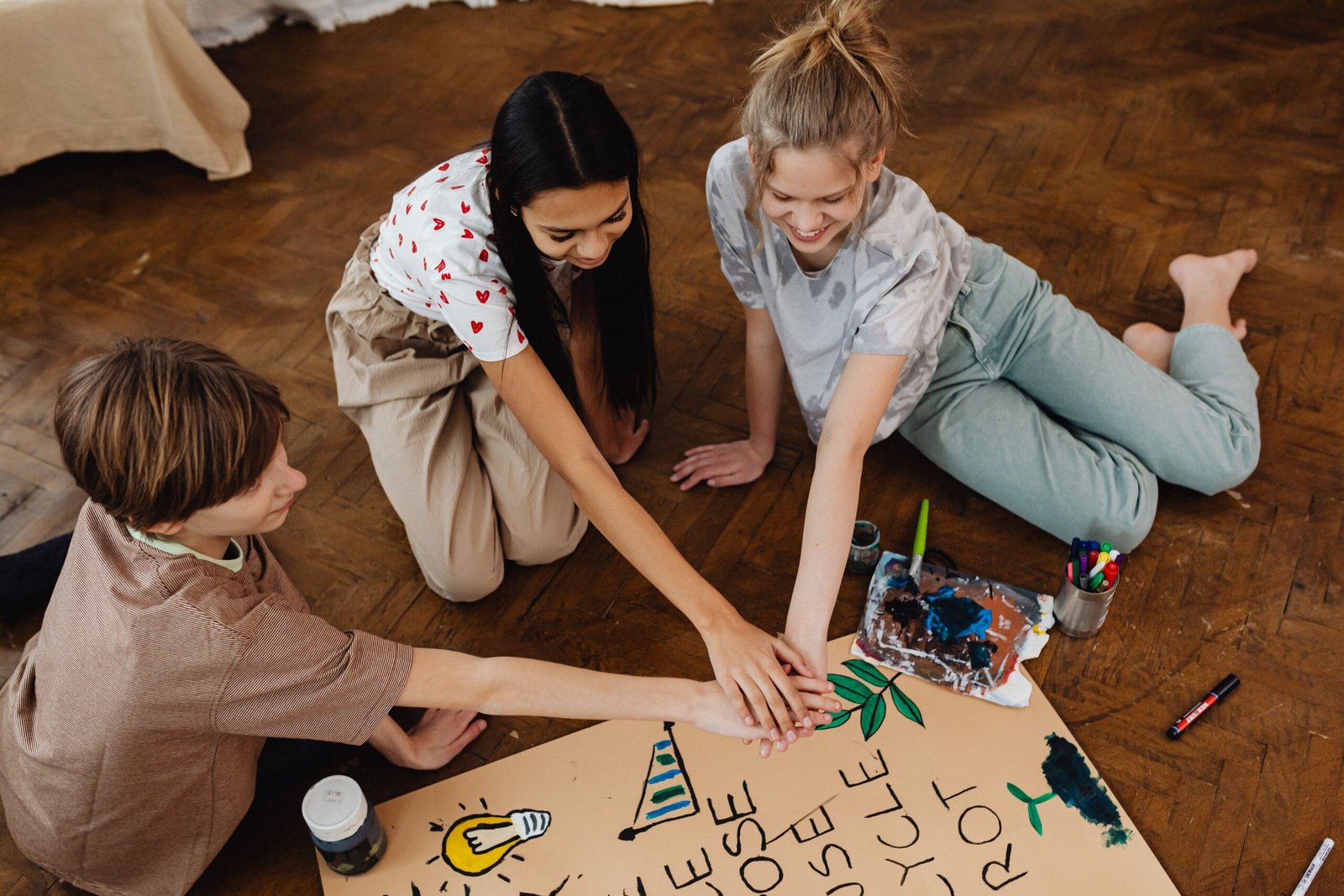
Starting a sketchbook can be a creative escape during class. It allows you to capture the environment around you in a personal way. Whether it’s classmates, the teacher, or classroom objects, you can illustrate what inspires you.
Grab some pencils or colored pens and begin sketching. Don’t worry about perfection; focus on expression. The process of drawing helps you observe details that you might miss otherwise. You can also doodle and explore different styles and techniques.
This activity not only keeps you engaged but also improves your artistic skills. Better yet, it becomes a beautiful record of your thoughts and experiences throughout the semester. Each page turned is like a mini adventure of its own.
Invite friends to join you. You might organize a friendly challenge or a themed sketch day. Sharing your artwork creates a fun, collaborative atmosphere that can enrich your classroom experience.
Sketching not only nurtures creativity but also supports learning. As you draw, you might remember various subjects better. So, why not give it a try? Your imaginative flair will shine!
Address: Bring your sketchbook to class!

2. Write a Short Story Based on a Classmate’s Doodles
Writing a short story can transform simple doodles into a world of imagination. Pick one of your classmate’s drawings, and let it inspire your narrative. What characters can you create from those shapes? How does the setting influence the plot?
This activity sparks creativity and hones your writing skills. Begin with a brainstorm session. Jot down ideas that come to mind when you look at the doodle. You can even collaborate with your classmate for their thoughts or answers.
Let loose with your creativity! Focus on building an engaging storyline filled with adventure or humor. Make it fun. Use vivid descriptions to paint pictures with words, bringing the doodle to life in a new way.
Once your story is complete, share it with your classmates. They would enjoy hearing about the journey you took through their doodle. This can lead to great discussions and laughter as you exchange ideas.
Writing encourages you to think critically and express yourself. Doodles can become much more meaningful when you weave a story around them. So grab your pencil and start creating!
Address: Share your stories in class!
3. Create a Mind Map of the Lesson Topic
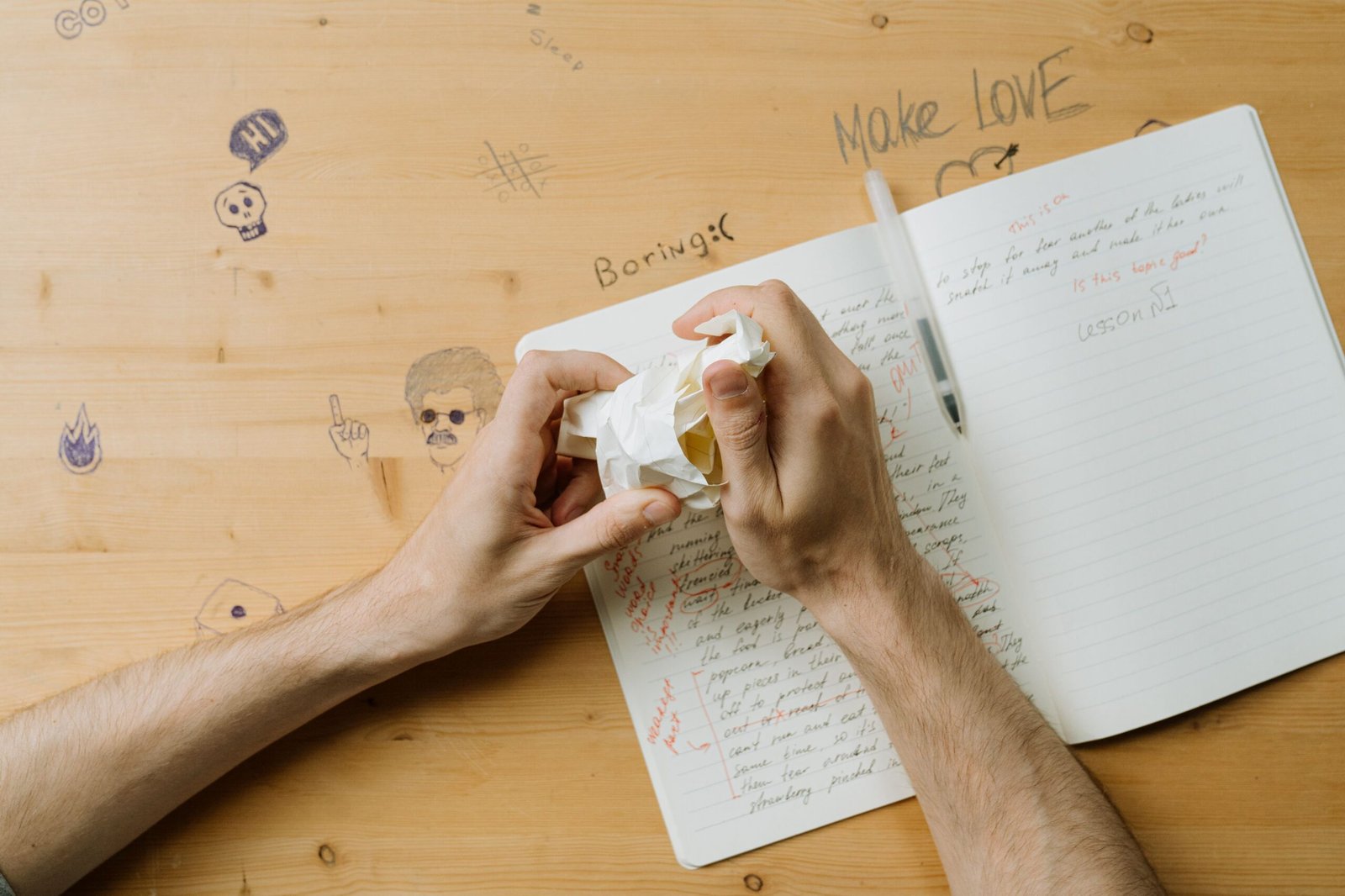
Mind mapping is a fantastic way to organize your thoughts and enhance understanding. Grab a piece of paper and the colored pens, and start with the main topic in the center. Branch out with related concepts, terms, and examples.
This visual representation helps to clarify connections between ideas and makes learning more interactive. You can use colors to differentiate between categories. Make it vibrant and engaging; it should be something you enjoy looking at!
As you create your mind map, ask questions. What do you want to explore more? This activity encourages you to think outside the box and dig deeper into the subject matter. You might find surprising links that enhance your comprehension.
After completing your mind map, present it to your classmates. This way, you strengthen your communication skills. Plus, they might appreciate hearing your perspective and adding their thoughts!
Mind maps not only boost memory retention but also make learning more enjoyable. Why not try it for your next lesson?
Address: Use your mind map to review in class!

4. Play Word Association Games with a Friend
Word association games are a fantastic way to stimulate creativity and improve vocabulary. Choose a friend and start with any word related to the lesson. Take turns responding with the first word that comes to your mind.
This game creates a fun, light-hearted atmosphere while enhancing your language skills. You might uncover connections between vocabulary words that you hadn’t considered before!
Keep the energy flowing. Set a timer for each response to keep the game fast-paced and engaging. If you want an extra edge, see how many words can lead back to the original theme or topic.
Consider writing down the words you both come up with. Later, you can come back to them for study or use them as prompts for further writing if needed.
Engaging in a word association game not only reinforces your learning but also nurtures friendship through laughter and shared experiences. So next time boredom strikes, pull out a friend and start a word game!
Address: Enjoy word games during break time!

5. Write a Poem Using Only Words from the Textbook
Poetry is a unique way to express thoughts and emotions, and using words from your textbook makes it a fun challenge. Start by selecting a chapter or a specific section. Then, identify key terms and phrases that resonate with you.
Construct a poem using only those words. You can create structured verses or free verse, depending on how you feel. The limitation can inspire creativity. You might discover beautiful phrases you never thought of before!
Pushing the boundaries of language can lead to surprising results. If it feels daunting, start with a simple theme based on the lesson or even an emotional response. Let the words flow freely, and don’t be too critical of your first draft!
Once done, share your poem with classmates. This generates an inspiring atmosphere where everyone can appreciate each other’s creativity. Poetries foster feedback and camaraderie.
Writing poetry draws on both your analytical and creative skills, making it an enriching experience. So grab those textbooks and start crafting! You might surprise yourself.
Address: Share your poem in the classroom!
6. Organize a Mini Debate on the Day’s Subject
Debating is an excellent way to develop critical thinking skills and express opinions. Choose a topic from today’s lesson and split the class into two teams. Assign each side a stance to argue.
The objective isn’t just to win but to understand opposing viewpoints. Each participant will have a chance to articulate their thoughts clearly and confidently. Set clear guidelines for the debate and allocate time for each speaker.
Encourage active listening, allowing groups to respond to one another appropriately. This atmosphere promotes respectful discussion and helps to build communication skills. Plus, it makes learning lively and exciting!
After the debate, reflect on the discussion. What arguments were most compelling? What insights did you gain? This ensures everyone evaluates various perspectives and concepts.
Debating fosters not just learning but also teamwork and respect for diversity of opinions. You may even find new friends through collaborative discussions. Ready to speak your mind?
Address: Gear up for the debate in class!
7. Make a Colorful Poster Summarizing the Lesson
Creating a colorful poster is a fun and artistic way to summarize classroom lessons. Gather some materials like colored paper, markers, and glue. Choose key themes and terms from the lesson to feature.
Consider using visuals, diagrams, and bullet points to arrange the information attractively. The goal is to make it eye-catching and informative. You can use images and illustrations to convey messages powerfully.
As you work on the poster, think about what stood out to you in class. What are the main takeaways? This process helps solidify your understanding while allowing your creativity to shine.
After completing the poster, display it in class. It can serve as a visual reference for you and your classmates. Plus, the feedback will inspire your next artistic endeavor!
Artistic projects like this enhance learning in a different format. They make lessons memorable and engaging. Why not create your masterpiece and see what unfolds?
Address: Show your poster to the class!
8. List Unique Facts About the Subject Being Taught
Creating a list of unique facts can be both educational and engaging. After the lesson, take out a piece of paper and jot down as many interesting facts as you can remember. Challenge yourself to find lesser-known information or surprising details that spark curiosity.
This exercise helps reinforce the material while enhancing memory retention. Consider pooling ideas with classmates to see who can point out the quirkiest or most insightful facts. Engaging in discussions adds depth to your learning process.
Furthermore, compiling these facts can be a great resource for future projects or exams. It makes your study materials diverse and comprehensive.
If you find particularly fascinating facts, consider sharing them at the end of class. Perhaps the teacher can even incorporate them into lessons later on!
Building lists like this nurtures a sense of wonder and discovery, transforming lessons into memorable experiences. Start your list and watch your knowledge grow!
Address: Create your unique list and share!
9. Write a Letter to Your Future Self Reflecting on the Class
Writing a letter to your future self can be a powerful activity. You can choose to reflect on what you learned in class, how you felt, and any goals you want to achieve. Write your thoughts down, articulating your dreams and aspirations.
This process equips you with self-awareness while encouraging personal growth. Think about what skills you want to develop based on today’s lesson. What challenges do you anticipate as you work towards those goals?
Seal the letter and set a date to open it in the future. It could be at the end of the semester or a particular milestone in your education. Anticipating the reading of this letter can motivate you to stay true to your aspirations.
Letters like this foster a connection with your past self while motivating future endeavors. It’s a beautiful way to track your development over time.
Ready to write? This introspective exercise is both enlightening and gratifying. Start crafting your message today!
Address: Make time to write your future self a letter!
10. Create Flashcards for Vocabulary Words
Flashcards are a classic study tool that can enhance your learning experience. Begin by identifying vocabulary words from the lesson. Write each word on one side of a card, and define it on the other.
Designing flashcards adds a tactile element to your learning. You can use colors and images to make them visually appealing. This creativity will help you remember the terms better!
Once your cards are ready, quiz yourself or pair up with a classmate. Testing each other can be engaging and supports peer learning. Challenge each other to come up with synonyms or examples, enriching your vocabulary further.
Utilize these flashcards frequently until you’re comfortable with each term. They can easily travel with you, allowing for quick reviews on the go. Flashcards also prepare you for assessments or classroom discussions.
Learning vocabulary should be fun. Let’s make those cards a staple in your study habits!
Address: Bring your flashcards for class practice!
11. Start a Classroom Scavenger Hunt for Related Materials
A classroom scavenger hunt can turn learning into an adventure! Plan this activity by creating a list of materials or concepts related to the lesson you just learned. Make it collaborative and exciting. Divide the classroom into small teams.
Set a timer and let the teams start hunting! Encourage students to find different resources, like books, notes, or online materials for research. The thrill of searching can engage everyone and provides a unique learning experience.
As students find items, prompt them to discuss their importance. This ensures that the activity promotes not only fun but also valuable discussions. It’s a great way to emphasize teamwork as groups look for items together.
This scavenger hunt can be organized regularly, creating a buzz in future lessons. Students may discover a love for research while learning how to locate resources effectively.
Get ready for some excitement as you create connections and learn on-the-go. The classroom can become a treasure trove of knowledge!
Address: Plan your scavenger hunt in class!
12. Design a Comic Strip Featuring the Lesson’s Key Concepts
Comic strips allow you to convey complex ideas in a relatable format. Take the main concepts from the lesson and design a fun comic strip. Use characters and dialogues to express these ideas creatively.
Begin by mapping out your story. How can you illustrate the concepts visually? Brainstorm dialogues that maintain clarity while adding humor or drama. Keep it engaging and fun to help solidify the lessons in your mind!
If you’re working with a friend, collaborate to enhance creativity. You can even create characters that represent specific terms or theories, making the lesson more memorable.
After completing your comic strip, share it with classmates. This will encourage positive feedback and inspire others to explore their creative sides. Plus, it creates a more relaxed classroom atmosphere.
Designing comic strips promotes artistic expression while reinforcing key concepts! Grab your pens and start drawing.
Address: Show your comic strips in class!
13. Practice Origami While Listening to the Lecture
Practicing origami can enhance focus during lectures. As you fold paper, the process can stimulate your brain while you absorb the lesson. Grab some colorful paper and start creating simple shapes like cranes or boats.
From a psychological perspective, engaging in a mild manual task can improve concentration. Make sure not to distract those around you. Choose simple designs to allow for easy completion.
While practicing, you might even find connections between your origami and the lesson. This creative activity keeps your hands busy while your mind remains engaged with the lecture.
Collaborate with classmates for an impromptu origami session. Challenge each other to create specific shapes, sharing tips along the way. This not only builds teamwork but fosters a fun learning environment.
Practicing origami while learning contributes to memory retention and creative thinking. So, fold away for deeper learning!
Address: Get your origami practice going in class!
14. Build a Lego Model Related to the Subject Matter
Building a Lego model can facilitate understanding while keeping the learning environment dynamic. After a discussion of a topic, unleash your creativity with some Legos! Choose to create something that illustrates a concept or process.
For instance, if discussing ecosystems, build a model of a habitat showcasing various elements. This hands-on approach gives visual context to abstract ideas, making them easier to remember.
Collaborate with classmates for group Lego projects. Everyone can contribute by adding pieces that represent parts of the lesson. This promotes teamwork and allows for diverse interpretations of concepts.
Additionally, when presenting your model to the class, explaining your thought process adds depth to your understanding. You not only learn by building but also by communicating your ideas!
Using Lego enhances engagement and helps solidify knowledge in a tangible way. Let’s get creative and build!
Address: Bring your Lego sets to class and start building!
15. Create a Song or Rap About the Lesson to Share Later
Creating a song or rap can be a lively way to remember lesson content. Turn the key concepts into lyrics. Find a catchy beat or rhythm, and start brainstorming the lines that encapsulate what you’ve learned.
Use humor, puns, or rhymes to make it memorable. The more fun you have with it, the better you’ll remember the material! Collaborate with classmates to add diversity to your song. Music enhances memory retention, so this method can be especially effective!
If you’re not musically inclined, consider composing a simple jingle. The goal is to engage with the lesson in a fresh way while being creative. Use familiar tunes to make it easier for everyone to participate.
Once complete, share your song with the class. This can build camaraderie through laughter and mutual respect for creativity. Plus, it spreads enthusiasm for learning!
Songwriting promotes both creativity and a sense of community. So, grab your pen, and let’s make some music!
Address: Get ready to share your songs in class!
16. Plan an Imaginary Field Trip Related to the Topic
Planning an imaginary field trip can bring concepts to life. Gather with classmates and discuss places that relate to your lesson. Where would you like to go? Museum, park, or even a historical site?
Create a detailed itinerary of what you would do on this trip. Include activities, discussions, and important places to visit. This encourages critical thinking and deepens comprehension of the subject matter.
As you outline the day, consider who would accompany you. Collaborating with friends can spark discussions and result in creative plans that you may not think of on your own.
Share your imaginary field trip plans with your class. Not only does it reinforce the lesson, but it also generates enthusiasm and interaction. Everyone can contribute their ideas, building a richer experience.
Imagining a field trip takes learning outside traditional boundaries while promoting teamwork. So, gather your friends, and let’s dream up an adventure!
Address: Present your field trip plan in class!
17. Brainstorm Innovative Ideas for a Project Based on the Lesson
Brainstorming innovative ideas can lead to exciting projects. After class, gather with peers to discuss possibilities related to the lesson. What did you learn that could be developed into a project?
Throw around ideas without judgment. The goal is to encourage creative thinking and inspire each other. Write down all suggestions, even the wild ones! This open-minded approach often leads to great concepts.
Once brainstormed, narrow down the list to those that excite you the most. Consider the feasibility and resources needed for the project. Each team member can take ownership of different areas based on their strengths.
Present your project ideas to the class, allowing for feedback and suggestions. Engaging with others enhances your project and brings in diverse perspectives!
This brainstorming session nurtures collaboration and creativity, making learning more dynamic. So, gather your team and start ideating!
Address: Brainstorm together in class!
18. Set Personal Academic Goals for the Semester
Setting personal academic goals is key to achieving success this semester. Take some time to reflect on what you want to accomplish. What skills do you want to improve? What grades are you aiming for?
Clearly define your goals and be sure they are achievable. Write them down, and keep them visible as a constant reminder. You can break large goals into smaller steps to track your progress more effectively.
Sharing these goals with classmates can foster accountability and mutual support. Encourage each other, celebrating milestones and offering assistance when needed. This creates a thriving academic community.
Evaluate your goals regularly. Adjust any that do not align with your current aspirations or progress. This self-awareness is essential for personal growth.
Setting academic goals empowers you to take an active role in your education. So, get started now and shape your success story!
Address: Set your goals during class!
19. Research a Related Topic on Your Phone (if allowed)
If your teacher permits it, research can be an effective way to expand your learning. Grab your phone and dive into online resources to discover more about today’s lesson. Choose a related topic that intrigues you—this could open up new insights and details!
Using credible websites ensures the information you gather is trustworthy. Implementing this while in class transforms passive listening into active learning, fostering curiosity and engagement.
Share your findings with your classmates or teacher. This collaborative effort creates a richer learning environment where everyone benefits from newfound knowledge.
Be mindful of distractions as you surf the web. Staying focused on relevant content will enhance the learning experience significantly. Keep track of interesting articles or videos for later reference!
Researching in class promotes a proactive approach to education. Unlock the knowledge you desire, and see how it deepens your understanding!
Address: Engage in research during class!
20. Create a Crossword Puzzle Using Vocabulary from the Class
Creating a crossword puzzle can be both educational and enjoyable! Use vocabulary words from today’s lesson to design your puzzle. Begin by selecting terms that stood out to you, considering their definitions and relationships.
Use online crossword puzzle makers to streamline this process. Incorporating clues helps reinforce your understanding while also aiding your peers as they solve the puzzle!
Once completed, distribute your crossword among classmates. Completing each other’s puzzles provides a fun challenge while deepening vocabulary retention and comprehension.
Set a competitive tone by timing how fast each student can solve puzzles. This encourages both learning and a bit of friendly rivalry, stimulating engagement within the classroom.
Crossword puzzles make studying interactive and memorable. They prove especially effective for group learning. Ready to see who can solve it fastest?
Address: Share your crossword puzzles in class!
21. Write Out a Script for a Short Skit Based on a Historical Event
Writing a script for a short skit can bring history to life! Choose a historical event you’re studying, and turn it into a narrative. Outline the plot, characters, and dialogues. Aim for accuracy while making it entertaining!
Incorporating humor or dramatic flair can engage your classmates. Collaborate with peers, assigning roles and crafting scenes together. This promotes teamwork and gives everyone a chance to contribute their creativity.
Practice the skit before presenting it to the class. Rehearsing helps build confidence while ensuring smooth transitions. Sharing your performance can be a fun and informative way to showcase what you’ve learned!
Reflect on the historical significance of the event and discuss how it impacts present-day society. This promotes depth of understanding and critical thinking.
Turning history into a skit is a fantastic way to grasp complex ideas creatively. Get ready to act and learn simultaneously!
Address: Present your skit to the class!
22. Make a List of Questions You Have About the Subject
Creating a list of questions fosters curiosity and deepens understanding of the subject. After class, jot down anything you’re unsure about or curious about. This encourages active engagement with the material and shows the areas that need further exploration.
Consider dividing your questions into categories: basic understanding, applications, or deeper inquiry. This structure can help clarify what aspects you should focus on during your studies.
Bring these questions to class discussions or share them with classmates. Engaging in dialogue stimulates growth and invites feedback, helping you grasp complex topics more effectively.
Your questions reflect your genuine interest and willingness to learn. By seeking answers, you open doors to new ideas and perspectives that can enhance your academic journey.
Writing questions empowers you to take charge of your learning experience and clarifies uncertainties. Ready to explore more?
Address: Compile your list of questions for class!
23. Design a Magazine Cover Related to the Topic at Hand
Designing a magazine cover allows you to creatively summarize the key concepts from the lesson. Begin brainstorming a title, tagline, and visuals that capture the essence of the subject. Use colors, fonts, and images to make it eye-catching!
Your magazine cover can feature articles, catchphrases, and even illustrations based on what you learned. This helps create a comprehensive view of the topic while enhancing artistic expression.
Share your magazine covers with classmates! Discussing your design choices can provide further insights and perspectives, enriching the understanding of the subject matter.
This creative exercise promotes a blend of analytical and visual skills. Engaging in artistic projects broadens the way we think about educational content.
Designing a magazine cover contributes to visual literacy and can be a fun way to showcase your knowledge and creativity! Ready to create something magnificent?
Address: Present your magazine cover in class!
24. Put Together a Timeline of Events Discussed in Class
Creating a timeline is an engaging way to visualize the chronology of events discussed in class. Start by identifying key dates and events related to the lesson. Organize them sequentially, using visuals or colors to differentiate between periods.
This exercise helps reinforce your understanding of how events interconnect while promoting better memory retention. It visually represents the progression of ideas and developments, making it easier to grasp!
Collaborate with classmates to pool your knowledge. Sharing ideas ensures clarity and depth in your timeline. You’ll appreciate various perspectives, shedding light on your understanding.
Once completed, display your timeline in class. This resource can serve as a reference for discussions and future projects. It brings the past to life right in front of you!
Building a timeline fosters organization and enhances comprehension of lessons. So gather the key details and start placing them in order!
Address: Create your timeline for class!
25. Play a Silent Game of Tic-Tac-Toe with a Friend Using Terms from the Course
Playing Tic-Tac-Toe can be an interactive way to reinforce course terminology. Gather a friend, and instead of regular Xs and Os, use vocabulary terms from the lesson as your markers. This adds a layer of educational fun to the game!
Start by drawing a grid. As you take turns filling in the boxes, use the terms in sentences or definitions to show understanding of each word. This encourages engagement and reinforces learning objectives.
Each completed game adapts the vocabulary into memory. You can even set up a challenge, such as a mini-tournament, keeping things competitive and exciting.
After playing, review the terms you used. This serves as a great method to test knowledge and retention while having a blast with a friend.
Tic-Tac-Toe transforms a classic game into a learning tool, adding creativity to your classroom experiences! Get ready to play!
Address: Grab a friend and play vocab Tic-Tac-Toe!
Final Thoughts
These 25 engaging activities showcase how to transform boredom into creativity and learning. Whether you’re sketching, writing poems, or planning imaginary field trips, each task reinforces understanding while making classes enjoyable. Through collaboration and artistic expression, students can grasp complex concepts more seamlessly.
As you embrace these activities, remember to share your experiences with classmates. This encourages teamwork, builds confidence, and fosters a positive learning environment. The possibilities for creativity in academics are limitless!
If you’re interested in pursuing more creative outlets, check out some tips on exploring new topics or discover ways to improve your study habits. The world of knowledge awaits!