
things to do in london ontario range from exploring riverside trails and historic homes to finding a lively market meal downtown. London is a welcoming city in southwestern Ontario, Canada, with a mix of green space, museums, music, and neighbourhood cafés.
Whether you are visiting for a weekend, travelling with children, or passing through on a longer Canadian trip, you can enjoy plenty without rushing. The city is spread out, though, so planning your route and transport will make your visit easier.
This guide covers the best things to do in London, Ontario, along with practical tips for choosing a season, getting around, and making time for local favourites.
20 Things to Do in London Ontario
Use this quick guide to match your plans with the time you have. Opening hours and event schedules can change, so check attraction websites before you set out.
| Experience | Good for | Planning note |
|---|---|---|
| Covent Garden Market | Food, local shopping, and a downtown stop | Check vendor hours, especially on holidays |
| Springbank Park | Walking, cycling, and family outings | Allow extra time for the long riverside paths |
| Museum London | Art and local history | Check current exhibitions and admission details |
| Wortley Village | Independent shops and relaxed dining | Pair it with a walk through nearby Old South |
| Storybook Gardens | Families with younger children | Confirm seasonal opening dates before visiting |
Tip 1 – Browse Covent Garden Market

Covent Garden Market is a handy first stop for getting a feel for downtown London. Browse local produce and specialty food stalls, pick up a casual lunch, or look for seasonal events in and around the market.
It is an easy place to fit between other central sights, but vendors may keep different hours. Check the market’s current schedule if you have a particular stall or event in mind.
Tip 2 – Walk the Thames Valley Parkway
The Thames Valley Parkway follows the Thames River through much of the city and connects green spaces, bridges, and neighbourhoods. Choose a short section for a relaxed stroll or plan a longer cycle if you have time and suitable equipment.
Some parts of the route are shared by walkers and cyclists. Keep to the appropriate side, stay alert at crossings, and check local trail notices after heavy rain or during winter conditions.
Tip 3 – Spend time in Springbank Park

Springbank Park is one of London’s best places to slow down outdoors. Its riverside paths, open lawns, and mature trees make it a good choice for a walk, picnic, or easy family afternoon.
The park is large, so decide which part you want to visit rather than assuming you can see it all in a quick stop. Bring water and check the weather, especially if you plan to spend several hours outside.
Tip 4 – Visit Museum London
Museum London brings together art and stories connected to the city and region. It is a useful indoor option on a rainy day and a good way to add local context to a visit focused on parks and restaurants.
Exhibitions, admission arrangements, and opening times can change. Check the Museum London website before you go, and leave extra time if a temporary exhibition interests you.
Tip 5 – Explore historic Eldon House
Eldon House offers a look at an earlier period of London’s history through its heritage home, collections, and gardens. It is a quieter attraction than the market or a major event venue, which can make it a pleasant change of pace.
Access may depend on the season, tours, and special programming. Check current visitor information before making it a fixed part of your day.
Tip 6 – See what is on at Budweiser Gardens
Budweiser Gardens hosts concerts, sports, and other large events in the downtown core. If your dates are flexible, look at the calendar before booking accommodation because a major event can affect room availability and local traffic.
For an event night, plan your route and arrival time in advance. Check the venue’s current entry and bag rules, and consider walking from a central hotel if the weather and distance suit you.
Tip 7 – Discover Wortley Village
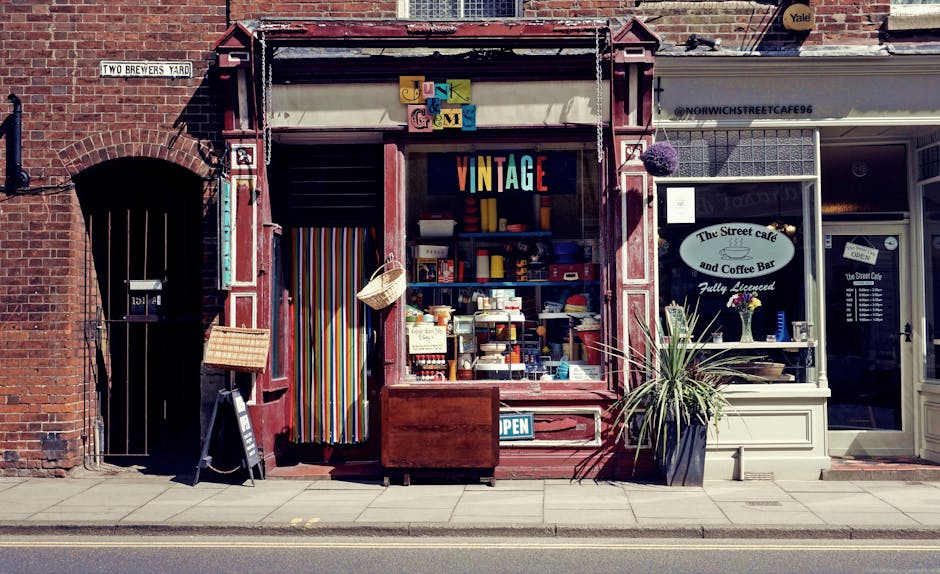
Wortley Village has an easygoing neighbourhood feel, with independent cafés, restaurants, and small shops. It is a good place to spend a few unhurried hours rather than trying to rush through a checklist of attractions.
Look up restaurants and shop hours before you go, particularly if you are visiting on a weekday evening. If you enjoy exploring small Canadian communities, you might also like this guide to 20 Fun and Best things to do in eastport maine for a future trip.
Tip 8 – Check out Old East Village
Old East Village is known for independent businesses, creative spaces, and a changing calendar of community events. It gives you a different perspective from the central business district and is worth considering if you enjoy local shops and arts-led neighbourhoods.
Events and opening hours vary, so check what is happening on your travel dates. If you are going specifically for a market or performance, confirm its location and schedule before travelling across town.
Tip 9 – Take children to Storybook Gardens
Storybook Gardens is a family attraction with play areas and seasonal activities aimed especially at younger children. It can fill a good part of a family day, particularly when the weather is warm.
Its operating season and attractions can vary, so confirm opening dates and ticket details ahead of time. Bring sun protection and a change of clothes if your plans include water play.
Tip 10 – Learn about a medical history milestone at Banting House

Banting House tells the story of Frederick Banting and the discovery of insulin. It is a distinctive stop for visitors interested in science, medicine, or Canadian history, and its scale makes it easier to fit into a half-day itinerary.
Check its current hours and visitor arrangements before setting out. If you are travelling with children, a little background about insulin and its importance can help make the visit more engaging.
Tip 11 – Visit Fanshawe Pioneer Village
Fanshawe Pioneer Village recreates aspects of rural life in the region through historic buildings, interpreters, and seasonal activities. It is a useful choice for families and anyone curious about how communities in this part of Ontario developed.
It is outside the downtown core, so allow time for transport and check the day’s programming before you go. Some experiences may be seasonal or require separate planning.
Tip 12 – Take a campus walk at Western University
Western University’s campus has attractive green spaces and distinctive academic buildings. A walk around campus can be a calm addition to a day of museums and city streets, particularly when classes are in session and the grounds feel active.
Be respectful of students and university buildings, and check campus access rules if you want to visit a specific facility. The university area is not right beside every downtown attraction, so plan your route rather than walking there without checking the distance.
Tip 13 – Find a performance at the Grand Theatre

The Grand Theatre presents a varied programme of live performances in a historic downtown setting. Check its schedule while planning your trip if you want to add a show to an evening out.
Popular performances may sell out, so book ahead when you can. For a relaxed night, have dinner nearby and leave enough time to find your seat before the performance begins.
Tip 14 – Try local food and coffee
London has everything from quick market meals to sit-down restaurants and independent cafés. Explore downtown, Wortley Village, or Old East Village for different neighbourhood atmospheres, and look for menus that make use of seasonal Ontario ingredients.
Restaurant hours can be shorter on certain weekdays, and reservations are helpful for busy evenings or event nights. If you have dietary needs, check menus online or contact the restaurant before you arrive.
Tip 15 – Plan around the seasons
Summer is a popular time for patios, parks, festivals, and outdoor walks. Spring and autumn can be comfortable for exploring, although temperatures and rain can change quickly. Winter brings cold weather and shorter daylight, but museums, theatres, and indoor attractions remain useful options.
Check the forecast close to your travel dates and pack layers. A flexible plan helps if outdoor activities need to move because of rain, heat, or snow.
Tip 16 – Get around with a little planning
London is spread out, so walking works best within individual areas rather than as the only way to get between every attraction. Local buses can help connect neighbourhoods, while a car or taxi may be more convenient for some outlying sites.
Review routes and schedules using the London Transit website. Check the latest service information on the day, and allow extra time when travelling to an event or appointment.
Tip 17 – Book important plans ahead
Not every attraction needs advance tickets, but planning ahead is helpful for theatre performances, large events, and popular seasonal activities. Hotel choices can also become limited during university events, festivals, and busy weekends.
Before paying, confirm the date, location, cancellation terms, and whether admission is timed. Keep booking confirmations accessible on your phone and save a copy for offline use.
Tip 18 – Keep safety and emergency details handy
London is a sizeable Canadian city, so use the same everyday awareness you would in other urban destinations. Keep valuables secure, pay attention around roads and transit stops, and choose well-lit routes when walking after dark.
In Canada, call 911 for an immediate police, fire, or medical emergency. For non-urgent health concerns, ask your accommodation for local options and check your travel insurance details. Keep your accommodation address and an emergency contact available.
Tip 19 – Use practical apps and local courtesies
A maps app can help you compare walking, driving, and transit routes. Check official transit updates for service changes, and download tickets or confirmations before leaving a reliable Wi-Fi connection if possible.
English is the main language used in London, Ontario. A friendly “hello” and “thank you” go a long way, and tipping is customary in many sit-down restaurants and for some personal services. Tip according to the service and your budget.
Tip 20 – Avoid the most common planning mistake
The easiest mistake is treating London as a compact city where every attraction is a short walk from the next. Several popular places are in different parts of the city, and a packed schedule can leave too much time spent travelling.
Group sights by area, check travel times, and leave room for meals and breaks. A realistic plan with a few well-chosen stops is usually more enjoyable than trying to see everything in one day.
Visa & Entry Requirements
London is in Ontario, Canada, and entry rules are set at the national level. Requirements depend on the passport you travel with and the Canadian government policies in force when you travel. Some visitors need a visitor visa, while others may need an electronic travel authorization or may qualify to travel without either. Do not assume that a rule described for one nationality applies to you.
Before booking or travelling, check the Canadian government’s official visitor entry requirements and follow any links that apply to your passport and travel situation. Use an official Canadian government or embassy source for the final answer, especially if you have a complex travel history, plan to work or study, or are travelling with children.
Check your passport’s expiry date and make sure it meets the requirements that apply to your case. It is also sensible to carry a passport with available blank pages, although the precise requirements depend on your circumstances. Confirm whether you need a visa or electronic travel authorization before departure, and apply through the official process rather than an unofficial service.
Border officers may ask about the purpose and length of your visit, where you will stay, and your plans to leave Canada. Keep useful documents available, such as return or onward travel details, accommodation information, and evidence that you can cover your visit. These documents do not guarantee admission.
Review current rules for customs declarations and any goods you are bringing into Canada. Vaccination or other health-related requirements can change, so check current government guidance rather than relying on old travel advice. Travel insurance is strongly worth considering because medical expenses and coverage vary. Visa permission, passport validity, authorization, customs rules, vaccinations, and permitted length of stay all depend on your passport and current policy. This information is general guidance, not legal advice.
Frequently Asked Questions
What are the best things to do in London Ontario for a first visit?
For a first visit, consider Covent Garden Market, a walk at Springbank Park, and either Museum London or Eldon House. Add a neighbourhood meal in Wortley Village or downtown if you have more time.
How many days should I spend in London, Ontario?
One full day is enough for a few central sights, but two or three days let you explore different neighbourhoods, visit a larger attraction, and enjoy the parks at a slower pace. Allow more time if you are attending an event or visiting places outside the centre.
Is London, Ontario easy to explore without a car?
You can explore central areas on foot and use local transit for some trips, but London is spread out. Check bus routes and schedules before planning a day that includes attractions in different parts of the city.
What is the best time of year to visit London, Ontario?
Late spring through early autumn is generally convenient for outdoor activities and neighbourhood walks. Winter can still be enjoyable if you focus on indoor attractions, performances, and cafés, but dress for cold weather and check conditions.
What can families do in London, Ontario?
Families can consider Storybook Gardens, Springbank Park, Fanshawe Pioneer Village, and the Thames Valley Parkway. Check seasonal schedules, age suitability, and admission details before setting off.
Is London, Ontario worth visiting?
London is worth considering if you enjoy a mix of green space, local history, arts, and relaxed neighbourhood exploring. It is not a compact sightseeing city, so it suits visitors who are comfortable planning transport between different areas.
Conclusion
The best things to do in London Ontario include riverside walks, neighbourhood cafés, historic attractions, live performances, and time at the market. The city offers a varied visit, whether you are travelling with family or building a relaxed weekend around food and culture.
Plan by area, check schedules before you go, and leave room for the journey between attractions. With a little preparation, you can enjoy London at a comfortable pace and find experiences that suit your interests.
1 thought on “20 Fun and Best things to do in london ontario”