
things to do in phu quoc range from swimming at quiet beaches to exploring pepper farms, fishing villages, and the island’s lively night market. Phu Quoc is Vietnam’s largest island, in the Gulf of Thailand, and it offers a mix of easy resort days and memorable local experiences.
The island is part of Vietnam’s Kien Giang province and has several distinct areas. Duong Dong is the main town and a practical base for food and transport, while the south is known for beaches and island-hopping trips. Distances can be long, so choosing where to stay can shape your visit.
This guide covers the best attractions, local food, transport, safety, and useful planning tips. Whether you have a weekend or several days, these things to do in phu quoc can help you plan a trip that suits your pace and budget.
20 Best Things to Do in Phu Quoc
Tip 1 – Spend a beach day at Sao Beach

Bai Sao, or Sao Beach, is one of the island’s best-known stretches of sand. Its pale beach and clear water make it a popular stop, especially in the dry season. Go early if you want a quieter visit and softer light.
Beach facilities and water conditions can change, and some sections may have litter or busy beach businesses. Check recent local conditions before making a special trip, and bring sun protection and drinking water.
Tip 2 – Walk around Duong Dong and visit Dinh Cau
Duong Dong is a useful place to get a feel for everyday island life. Browse local shops, watch fishing boats come and go, and walk out to Dinh Cau, a small temple and rocky headland beside the harbour.
The temple is an active place of worship, so dress respectfully and keep your voice low. Sunset can be lovely here, but the viewpoint is small and often busy.
Tip 3 – Try the Duong Dong Night Market
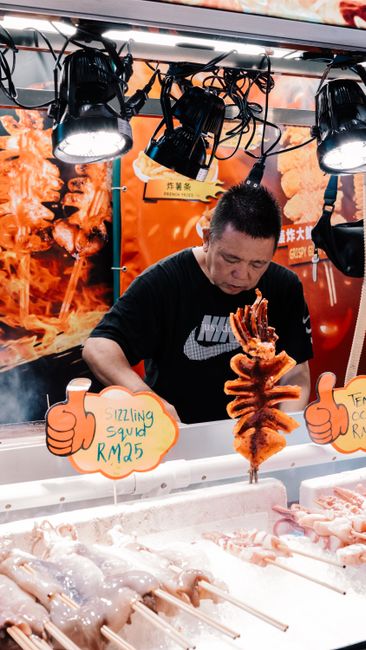
Phu Quoc’s night market is a simple evening outing for seafood, snacks, and souvenirs. Walk through before choosing a place to eat, since menus and prices vary. Ask how seafood is priced before ordering, especially if it is sold by weight.
It can get crowded, and not every stall will suit every budget. Carry cash for small purchases, keep valuables secure, and check food prices clearly before you sit down.
Tip 4 – Take a boat trip to the An Thoi islands
Boat tours from the south of the island visit small islands and swimming or snorkelling spots around the An Thoi archipelago. A trip can be a good way to see water and scenery that are difficult to reach from shore.
Compare what is included before booking. Ask about boat size, time on each island, snorkelling equipment, lunch, and weather cancellation terms. Sea conditions can affect the route, so treat the itinerary as flexible.
Tip 5 – Ride the Hon Thom cable car
The cable car between An Thoi and Hon Thom offers wide views over the sea and nearby islands. It is a popular family activity and can be paired with time on Hon Thom, where facilities and activities are available.
Check the operating schedule and ticket details before travelling, as opening hours and included attractions can change. The ride is not ideal for everyone who dislikes heights, and the whole outing can take much of a day.
Tip 6 – Explore Phu Quoc National Park
Much of northern and eastern Phu Quoc is covered by forest and protected natural areas. Visitors can find green scenery, wildlife habitat, and quieter roads away from the busiest beach zones.
Access to particular trails and areas may be limited, and not every mapped route is a maintained visitor trail. Arrange a local guide for a longer walk, wear closed shoes, and avoid entering restricted forest areas.
Tip 7 – Visit a pepper farm

Phu Quoc is known for black pepper, and a small farm visit can show how the vines are grown and harvested. Some farms welcome visitors and sell pepper or other local products.
Ask permission before taking photos and check whether a visit needs to be arranged in advance. A farm stop is usually brief, so it works well as part of a wider island drive rather than a full-day activity.
Tip 8 – Learn about fish sauce production
Fish sauce is an important part of Phu Quoc’s food culture. Some producers offer a look at traditional fermentation methods, including the large wooden vats used to age anchovies and salt.
Production sites are working businesses, not theme parks. Follow staff instructions, respect any photography restrictions, and check in advance whether tours are available to visitors.
Tip 9 – See the fishing village at Ham Ninh
Ham Ninh is a coastal village on the east side of the island, known for fishing and seafood. It offers a different atmosphere from the resort beaches, especially when boats are returning or local restaurants are preparing the day’s catch.
Ask for current prices before ordering seafood, and do not expect every visit to feel untouched or quiet. The village is an active community, so be considerate when taking photos.
Tip 10 – Choose a beach on the west coast for sunset

The west coast is a good place to watch the sun set over the Gulf of Thailand. Long Beach, also called Bai Truong, is convenient from Duong Dong and has restaurants and beach bars along parts of the shore.
Some sections are developed and can be busy, while other stretches are quieter. Check access at your chosen beach, as some beachfront areas are connected to resorts or businesses.
Tip 11 – Spend time on Long Beach
Long Beach is one of the most convenient places to swim, relax, and find a meal without travelling far from town. It is a practical choice for visitors who want beach time close to hotels and restaurants.
Water quality and swimming conditions can vary with weather and location. Pay attention to local signs, avoid swimming during rough conditions, and use a reef-safe sunscreen where available.
Tip 12 – Make time for a local seafood meal
Try fresh fish, squid, prawns, or crab at a local restaurant, and look for regional dishes such as bun quay, a noodle soup often served with a dipping sauce mixed to taste. Menus and recipes differ from place to place.
If you have allergies or dietary restrictions, explain them clearly before ordering. For seafood sold by weight, confirm the price and serving size first to avoid surprises on the bill.
Tip 13 – Visit a traditional fishing harbour

Fishing harbours around the island provide a glimpse of the work behind Phu Quoc’s seafood trade. Look for boats, nets, and local activity, while giving workers plenty of space to carry on with their jobs.
Harbours are working areas, so avoid walking onto boats or handling equipment without permission. Early morning is often a more active time, but activity varies by location and season.
Tip 14 – Visit Ho Quoc Pagoda
Ho Quoc Pagoda sits on the island’s east coast and has a peaceful setting with sea views. It is a worthwhile stop for architecture and a quiet break from beach activities.
Wear modest clothing, remove shoes where requested, and keep noise low. The pagoda is a religious site, so be respectful of worshippers and any posted photography guidance.
Tip 15 – Explore the southern town of An Thoi
An Thoi is a useful base for boat trips and a chance to see a busier local town in the south. Combine a short visit with the cable car, nearby beaches, or a harbour excursion.
It is not a polished sightseeing district throughout, so plan around the activity you want to do rather than expecting a long list of attractions in the town centre.
Tip 16 – Visit the north around Ganh Dau
Ganh Dau and the island’s northern coast offer a change of pace from Duong Dong. The area has coastal scenery and resort developments, with quieter roads between attractions.
Allow extra time for the drive from the central and southern parts of the island. Fuel and food options can be less frequent in some stretches, so plan your route before setting out.
Tip 17 – Choose a family-friendly day out
Families can combine an easy beach visit with a boat excursion, the cable car, or a resort pool day. Shorter outings are often more comfortable for children than trying to cross the island several times in one day.
Check age, height, and safety requirements for activities before booking. Bring water, hats, and snacks, and keep children close around roads, docks, and boat boarding areas.
Tip 18 – Find lower-cost things to do in Phu Quoc
Some of the best things to do in phu quoc do not require an expensive ticket. Spend time at an accessible public beach, walk around Duong Dong, try a local noodle meal, or watch the sunset from a public coastal area.
Transport can add up if you make many separate trips. Staying near the places you want to visit and grouping nearby stops can help keep costs down.
Tip 19 – Pick the right season for your plans
Phu Quoc has a tropical climate, with generally drier conditions from around November to April and wetter weather during much of the rest of the year. Conditions vary, and rain can affect boat trips, beach days, and road travel.
The drier months are popular and can bring higher accommodation prices. The wetter season may offer better value, but keep your itinerary flexible and check marine conditions before booking an island tour.
Tip 20 – Plan transport, safety, and bookings carefully
Motorbikes are common, but traffic, road surfaces, rain, and unfamiliar driving conditions can make riding risky. Use a licensed taxi or a ride-hailing service where available, and confirm the destination and fare or app estimate before travelling.
Book popular boat trips and accommodation ahead during busy travel periods. Save your hotel address offline, carry a charged phone, and keep a small amount of Vietnamese dong for local purchases. Useful apps for maps, translation, and ride requests can make getting around easier, but download offline maps before leaving Wi-Fi.
The most common tourist mistake is underestimating how long it takes to travel between the north, Duong Dong, and the south. Pick a base that fits your priorities and group nearby attractions into the same day. For more trip-planning ideas for a different kind of getaway, see our guide to 20 Fun and Best Things to Do in Ozark, MO.
Quick Reference: Phu Quoc Travel Planning
| Trip detail | Practical advice |
|---|---|
| Best general base | Duong Dong for restaurants, services, and central access |
| Beach and boat trips | Consider the south for An Thoi excursions and island tours |
| Dryer travel period | Usually around November to April, with local weather variations |
| Getting around | Use taxis or ride-hailing where available; plan long island drives |
| Local currency | Vietnamese dong; carry some cash for small purchases |
| Useful phrase | “Cảm ơn” means “thank you” in Vietnamese |
Useful Phu Quoc Travel Tips
Local customs and simple phrases
Dress modestly at temples and pagodas, ask before photographing people, and remove shoes when requested. A friendly “xin chào” means hello, while “cảm ơn” means thank you. A translation app can help with menus and directions, but a few polite Vietnamese phrases are appreciated.
What to pack
- Light, breathable clothing, a hat, and high-SPF sunscreen.
- Swimwear, sandals, and shoes with good grip for uneven paths.
- Insect repellent, any personal medication, and a small first-aid kit.
- A reusable water bottle and a waterproof pouch for boat trips.
- A power bank and offline map for longer drives around the island.
Safety and emergency planning
Use life jackets on boats and follow crew instructions. Avoid swimming when the sea is rough, and do not leave valuables unattended on the beach. If you ride a motorbike, wear a helmet and only ride if you have the appropriate licence, insurance, and experience for local conditions.
Save your accommodation’s contact details and the local emergency numbers before travelling. Vietnam’s general emergency numbers include 113 for police, 114 for fire, and 115 for ambulance services. English support may vary, so ask your hotel or tour operator for help when needed. The UK government’s Vietnam travel advice is also a useful source for current safety information.
Visa & Entry Requirements
Entry requirements for Phu Quoc are set by Vietnam, and they depend on your passport, travel history, route, and the policies in force when you travel. Visa rules, passport-validity requirements, blank-page requirements, electronic travel authorization, vaccination rules, customs procedures, and permitted length of stay can change. Check the rules for your own circumstances rather than relying on another traveller’s experience.
Vietnam has an official electronic visa system. Start with the Vietnam Immigration Department’s official e-visa portal and follow its current application instructions. Do not assume that a visa, visa exemption, or entry permission for mainland Vietnam automatically covers every itinerary detail.
Vietnam has also had a special visa-exemption policy for some foreign visitors travelling directly to Phu Quoc and staying there for a limited period. Its conditions and application can depend on arrival route and onward travel, and policies may be updated. If you plan to use this arrangement, confirm the current conditions with Vietnam’s immigration authorities or a Vietnamese embassy before booking. A stop elsewhere in Vietnam or a change in itinerary could affect which entry rules apply.
Before departure, check that your passport meets Vietnam’s current validity rules and has any required blank pages. Confirm whether you need a visa or electronic authorization, and keep copies of your return or onward ticket and accommodation details in case they are requested. Arrange travel insurance that covers your activities and medical needs. Check current customs rules for restricted goods, medication, and items you are bringing into the country, and make any required declarations.
For final requirements, consult the official immigration portal, the Vietnamese embassy or consulate responsible for your location, and official government travel guidance. Rules can change without much notice, so check again close to departure. This information is general travel guidance, not legal advice, and it cannot guarantee entry.
Frequently Asked Questions About Things to Do in Phu Quoc
How many days should I spend in Phu Quoc?
Three to five days is a useful starting point for a first visit. That gives you time for a beach day, a town or food outing, and one boat trip without trying to cover the whole island in a rush.
What are the best things to do in Phu Quoc for first-time visitors?
Start with Duong Dong and Dinh Cau, spend time on a west-coast beach, and choose either an An Thoi boat trip or a visit to the south’s cable car. Add a local meal and a pepper farm or fish sauce producer if you have time.
When is the best time to visit Phu Quoc?
The drier period is generally around November to April, which is popular for beach and boat activities. Rain and sea conditions can vary, so check the forecast and tour updates rather than relying only on the season.
Is Phu Quoc suitable for families?
Yes. Families can enjoy beaches, boat outings, resort pools, and the cable car. Choose shorter activities, check age and height limits, and confirm safety arrangements before booking.
Do I need to book Phu Quoc tours in advance?
It is sensible to book accommodation and popular boat trips in advance during busy periods. For other activities, compare recent reviews, check what the price includes, and ask about weather cancellations.
How do I get around Phu Quoc?
Taxis and ride-hailing services are useful where available, while some visitors rent motorbikes. Distances are longer than they may look on a map, so group nearby stops and allow extra time for island journeys.
Is Phu Quoc expensive?
Costs vary widely depending on your accommodation, transport, and tours. Local food and public beach time can be affordable, while resort stays, private boats, and packaged attractions can raise the budget.
Conclusion: Make the Most of Your Phu Quoc Trip
The best things to do in phu quoc depend on the kind of island break you want. You can spend your days on beaches, take a boat into the southern islands, explore local food and fishing culture, or slow down in Duong Dong.
Choose a convenient base, allow for long drives, and keep a little flexibility in your plans for changing weather. Check current entry requirements and tour conditions before travelling, then leave enough time to enjoy the island without rushing from one end to the other.
With a balance of beach time, local experiences, and practical planning, things to do in phu quoc can suit a short escape or a longer Vietnam itinerary.
For destination ideas and current travel inspiration, visit the official Vietnam tourism website.
1 thought on “20 Fun and Best things to do in phu quoc”