
things to do in oaxaca mexico include exploring a beautiful historic center, tasting some of the country’s most distinctive regional food, and visiting ancient Zapotec sites. Oaxaca City is the capital of the state of Oaxaca in southern Mexico, with colorful streets and mountain scenery close by.
You can enjoy the city at a relaxed pace, but there is plenty to fill a longer stay. Plan time for the main sights, local markets, and a day trip beyond the center. Some popular excursions take several hours, so leave room in your schedule for travel and rest.
This guide to things to do in oaxaca mexico covers the city’s best-known sights, food, neighborhoods, transport, and practical details for first-time visitors. Oaxaca sits at a high elevation, and its cobbled streets can be tiring, so comfortable shoes and a flexible plan are useful.
20 things to do in oaxaca mexico
Tip 1 – Walk through the historic center

Begin in Oaxaca’s historic center, where pedestrian streets, colorful facades, small galleries, and shaded plazas make it easy to explore on foot. The Zócalo, the city’s main square, is a good place to get your bearings and watch everyday life unfold.
Walk slowly and look up at the balconies and carved stone details. Streets around the center can be busy, and some paving is uneven, so sturdy shoes are more useful than dress shoes. The Zócalo is lively, but it can also be noisy and crowded, especially during events.
Tip 2 – Visit the Church and former convent of Santo Domingo
The Templo de Santo Domingo de Guzmán is one of Oaxaca’s most striking landmarks. Its interior is richly decorated, and the former convent beside it now houses the Museo de las Culturas de Oaxaca. The museum’s exhibits explain the region’s long history, including its Indigenous cultures and archaeological discoveries.
Check the current opening hours before you go, as hours and access can change. Set aside time for both the church and museum rather than rushing through them. The Ethnobotanical Garden next door is also worth seeing, but visits may be limited to guided tours with set schedules, so check access arrangements ahead of time.
Tip 3 – Explore the Monte Albán archaeological site
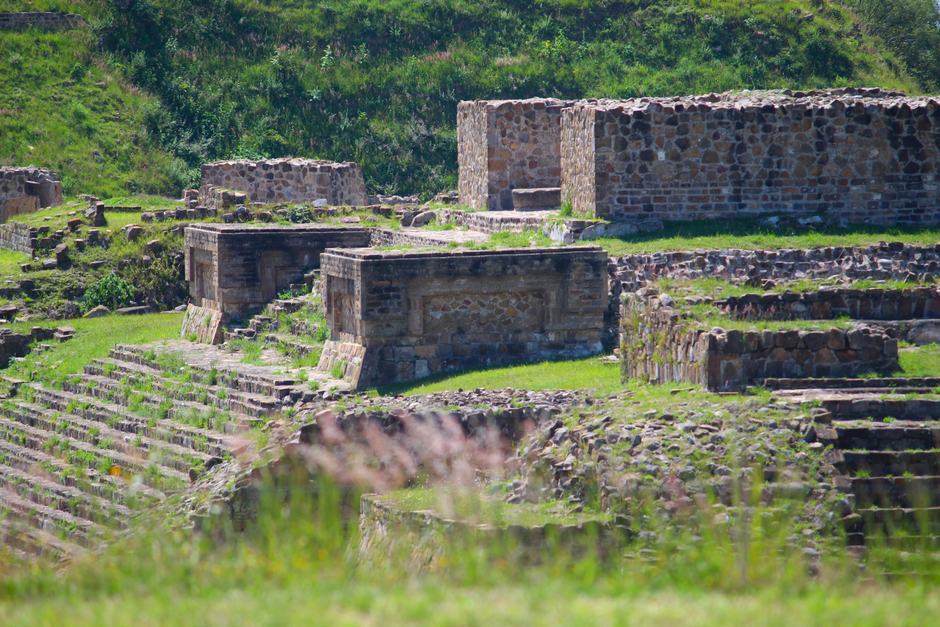
Monte Albán sits on a hilltop outside the city and was an important center of the ancient Zapotec civilization. Its broad plazas, platforms, and views across the valley make it one of the most rewarding excursions near Oaxaca City. The UNESCO description of Monte Albán provides useful background before your visit.
Allow several hours for the site and travel time. You can join a tour or arrange transport independently, but confirm the return plan before setting off. There is little shade, so bring water, sun protection, and comfortable shoes. Opening arrangements and entry fees can change, so check current information with the National Institute of Anthropology and History.
Tip 4 – Browse Mercado Benito Juárez and Mercado 20 de Noviembre
These central markets are ideal places to see Oaxaca’s ingredients, crafts, and everyday food culture in one stop. Mercado Benito Juárez has produce, flowers, sweets, and souvenirs. Nearby Mercado 20 de Noviembre is popular for cooked food, including its famous grilled-meat area.
Go around lunchtime for the widest choice of prepared dishes, but expect crowds. Ask the price before ordering if it is not displayed, and carry small bills for modest purchases. The markets are busy rather than polished, which is part of their appeal. Keep valuables secure and be considerate when taking photos of vendors.
Tip 5 – Taste Oaxacan specialties
Oaxaca is known for dishes such as mole, tlayudas, memelas, and tamales. Mole comes in many styles and often includes a long list of ingredients. A tlayuda is a large crisp or toasted tortilla topped with ingredients such as beans, cheese, and vegetables or meat. Menus vary between restaurants and market stalls, so ask what is available that day.
Try a few small meals instead of ordering more than you can finish at one stop. If you have food allergies or dietary needs, explain them clearly and confirm how a dish is prepared. Vegetarian options are available, but some dishes may contain meat stock or lard even when the main ingredients look plant-based.
Tip 6 – Try chocolate and local drinks
Oaxaca has a long tradition of preparing chocolate, often served as a drink with breakfast or a sweet snack. Visit a traditional chocolate shop or café to try a cup made with local cacao, cinnamon, or other spices. The texture can be grainier than a smooth hot chocolate, and the flavor is often less sweet.
Tejate is another local drink made from ingredients that can include maize and cacao. Ask what is in it if you have allergies or dietary restrictions. It is usually easiest to find at markets or local food stalls. Try regional drinks in moderation, especially if you are adjusting to the altitude or the heat.
Tip 7 – Take a day trip to Hierve el Agua

Hierve el Agua is known for its mineral formations, mountain views, and natural pools. It is a full-day outing from Oaxaca City, and the journey can involve winding roads and changing local transport arrangements. Many visitors choose an organized tour that combines it with stops in the surrounding region.
Check current access and transport details before you leave, as local conditions can affect visits. Bring drinking water, sun protection, and shoes with a good grip. The pools are not always suitable for swimming, and the edge areas can be slippery. Treat the site as a natural landscape, follow local instructions, and do not leave litter behind.
Tip 8 – Visit artisan villages around Oaxaca
Several nearby communities are known for particular crafts. Teotitlán del Valle is associated with woven rugs, while San Bartolo Coyotepec is known for black pottery. Other villages have traditions in wood carving, textiles, and ceramics. Visiting a workshop can help you understand the time and skill involved in making each piece.
These stops are outside the city, so plan how you will get there and back. A guide or organized excursion can make visits easier, while independent travelers may prefer to arrange a taxi or local transport in advance. Ask permission before taking photos, and remember that browsing does not obligate you to buy.
Tip 9 – Learn about mezcal responsibly
Mezcal is produced in Oaxaca and across several Mexican states. In the city, you can find tasting rooms and bars that explain how different agave varieties and production methods affect the flavor. Choose a place that describes what it serves and lets you taste at a comfortable pace.
Mezcal is strong, and tastings can add up quickly. Drink water, eat beforehand, and do not drive after drinking. If you want to take a bottle home, check the customs and alcohol allowance rules that apply to your journey, including any limits set by your airline.
Tip 10 – See local textiles at the Museo Textil de Oaxaca

The Museo Textil de Oaxaca offers a thoughtful introduction to weaving and textile traditions from Oaxaca and other regions. Exhibitions change, so you may see different techniques, patterns, and objects on each visit. It is a good indoor stop when you want a break from walking or afternoon sun.
Check the museum’s current opening hours and any photography rules before arriving. You do not need to be an expert to enjoy the displays. Look for details in the materials and patterns, and take time to read the explanations about how designs connect with communities and local traditions.
Tip 11 – Spend time in Jalatlaco
Jalatlaco is a small neighborhood known for colorful walls, narrow streets, cafés, and a slower pace than the busiest parts of the center. It is pleasant for a morning walk, a coffee stop, or a short photo stroll. You can combine it with the historic center, but allow time to explore without a fixed route.
This is a lived-in neighborhood, not a theme park. Keep voices down, avoid blocking doorways, and ask before photographing residents. Cafés and shops may have limited hours, so do not expect every place to be open all day.
Tip 12 – Walk around the Xochimilco neighborhood
Oaxaca’s Xochimilco neighborhood has quiet lanes, traditional buildings, and a different feel from the main plaza area. It is a good place to take a slower walk and notice everyday details away from the busiest visitor routes. The neighborhood is close enough to reach on foot from central areas, depending on where you are staying.
Bring water and use a map if you are unfamiliar with the streets. Some roads and sidewalks are uneven, and traffic can be close by. Respect private homes and avoid treating residents’ doorways as photo backdrops.
Tip 13 – Book a visit to the Jardín Etnobotánico

The Jardín Etnobotánico de Oaxaca is a botanical garden beside the Santo Domingo complex. It focuses on plants native to Oaxaca and their connections with local history and daily life. Visits may be offered as guided tours rather than casual walk-ins, so check the schedule and booking details before planning your day around it.
Tour information and availability can change. Arrive early for your booked time, bring sun protection, and be ready to follow the guide’s instructions. This visit is a good choice if you want more context about the region’s landscapes and plant traditions.
Tip 14 – Look into Oaxaca’s galleries and contemporary art
Oaxaca has independent galleries and cultural spaces alongside its historic museums. Spend some time looking for local exhibitions, printmaking, painting, and contemporary craft. The range changes often, so ask at your accommodation or a local visitor information point what is currently open.
Small galleries may close for part of the day or change their hours without much notice. If you find a piece you want to buy, ask about packing and shipping, especially for fragile ceramics or larger artworks. Buying directly from an artist or workshop can be a meaningful way to support local makers.
Tip 15 – Experience the Guelaguetza season
The Guelaguetza is a major cultural celebration in Oaxaca, associated with music, dance, and regional traditions. Events and related activities can draw large crowds, particularly during the main festival period in July. If your visit overlaps with the celebrations, book accommodation early and check the official local schedule as dates and arrangements can vary.
Expect busy streets, higher demand for transport, and limited availability at popular restaurants. The festival is not the only time to experience Oaxacan culture, so do not feel that your trip has failed if you visit at another time. Be respectful when watching performances and follow any rules about photography.
Tip 16 – Join a cooking class or food tour
A cooking class or guided food tour can help you understand local ingredients and dishes beyond a restaurant menu. Look for a class that includes a market visit or explains how recipes vary between families and communities. Ask in advance about language, duration, group size, and dietary accommodations.
Food tours can be a useful introduction early in your stay, especially if you are unsure what to order. They cost more than eating at a market, so compare what is included before booking. Bring comfortable shoes and tell the guide about allergies before the tour begins.
Tip 17 – Find a relaxed option for families and budget travelers
The central plazas, markets, and many neighborhood walks are easy ways to enjoy Oaxaca without paying for a tour at every stop. Families can keep the day simple with a short museum visit, a plaza break, and a meal at a market or casual restaurant. Confirm that a museum or attraction is suitable for children and check current opening times.
For a lower-cost visit, choose accommodation within a walkable area and group nearby sights together. Museums and guided activities may have different rates or schedules, so check before you go. Take breaks in the shade, especially with children, and carry water rather than relying on finding a shop at every stop.
Tip 18 – Watch the light change from a viewpoint
Oaxaca’s valley setting gives you several opportunities to enjoy wide views over the city and surrounding hills. Ask your accommodation or a trusted local guide about accessible viewpoints and the best way to reach them. The route may involve a steep walk or a taxi ride, depending on where you start.
Plan the return journey before sunset rather than assuming transport will be easy to find later. Bring a light layer, as evenings can feel cooler than the afternoon. Stay in public areas and avoid walking unfamiliar, poorly lit routes alone after dark.
Tip 19 – Use local transport carefully and plan your arrival
Oaxaca City’s historic center is compact enough to explore on foot, but taxis and other local transport can help with longer journeys or bags. Agree on the fare or confirm how the price is calculated before starting a taxi ride. For airport or bus station transfers, arrange a reputable option in advance when possible.
Check your accommodation’s directions and keep its address available offline. A map app can help with walking routes, but mobile data may not always be reliable, so download an offline map before leaving home. If you are comparing Oaxaca with another trip, our guide to 20 Fun and Best things to do in phu quoc offers ideas for a separate beach destination.
Tip 20 – Choose the season, pack well, and avoid common mistakes
Oaxaca has a dry season and a rainy season, and conditions vary by month and by altitude. The dry season is often convenient for walking and day trips, while rainy-season showers can affect outdoor plans. Check a current forecast close to your travel dates. Pack breathable clothing, a light layer for cooler evenings, comfortable shoes for cobbles, sun protection, and a compact rain layer when showers are likely.
A common tourist mistake is trying to fit Monte Albán, a market visit, several museums, and a long day trip into one or two days. Distances beyond the city take time, and altitude and walking can leave you tired. Build in open time, check opening schedules, and carry cash for smaller vendors. Learn a few Spanish phrases such as “por favor” (please), “gracias” (thank you), and “¿Cuánto cuesta?” (How much does it cost?).
Quick reference for visiting Oaxaca City
| Plan | Useful details |
|---|---|
| Best pace | Allow at least three days for the city and add time for day trips. |
| Getting around | Walk in the center; arrange a taxi or tour for sites outside the city. |
| What to pack | Comfortable shoes, sun protection, a refillable water bottle, and a light layer. |
| Book ahead | Check tours, the Ethnobotanical Garden schedule, and festival accommodation. |
| Local courtesy | Ask before photographing people, workshops, or private spaces. |
Visa & Entry Requirements
Entry requirements for Mexico depend on the passport you travel with and the government rules in effect on your travel date. Before booking or departure, check the Mexican government’s National Institute of Migration website and the nearest Mexican embassy or consulate. The Ministry of Foreign Affairs of Mexico can also direct travelers to official consular information. Do not rely only on old travel blogs or airline summaries, as rules can change.
Check how much passport validity is required for your circumstances and whether your passport needs blank pages. Depending on your passport, you may need a visa or electronic travel authorization before travel. Some travelers may be able to enter without a visa for a limited visit, but this is not a universal rule. The permitted length of stay and any conditions should be confirmed through official Mexican guidance and by the immigration authorities at entry. Do not assume that a particular number of days will automatically be granted.
Have your accommodation details and return or onward travel information available in case you are asked to show them. An immigration officer may ask about your plans and intended stay. Travel insurance is a sensible precaution, but it does not replace any entry documents that may be required.
Vaccination and health-document requirements can depend on current Mexican policy, your itinerary, and where you have traveled. Check official health guidance before departure, especially if your route includes other countries. Customs rules also apply to items brought into Mexico, including food, medicines, cash, and goods for personal or commercial use. Review current declaration requirements and declare items when required.
These are practical checks, not legal advice or a guarantee of entry. Recheck the official requirements shortly before leaving, and contact a Mexican embassy or consulate if your situation is unusual or unclear.
FAQs about things to do in oaxaca mexico
How many days should I spend in Oaxaca City?
Three days is a useful starting point for the historic center, markets, museums, and a few meals out. Add extra days if you want to visit Monte Albán, Hierve el Agua, or artisan villages without rushing. Longer day trips can take much of the day.
What are the best things to do in oaxaca mexico for a first visit?
Start with the historic center, Santo Domingo, and the nearby museums. Then visit a market, try local dishes, and leave a day for Monte Albán or another excursion. This mix gives you a good introduction to the city’s history, food, and surroundings.
Is Oaxaca City walkable?
The central area is walkable, and many major sights are close together. Expect uneven paving and some cobbled streets. For places outside the center, including Monte Albán, plan on a tour or transport rather than assuming you can walk there.
When is a good time to visit Oaxaca?
The dry season is often convenient for outdoor sightseeing, while the rainy season can bring afternoon showers. Weather varies, so check a forecast for your travel dates. If you want to attend Guelaguetza events, check the current schedule and book accommodation early.
Is Oaxaca City suitable for families?
Yes, families can enjoy the plazas, markets, museums, and food culture at an easy pace. Choose short activities, take breaks, and be mindful of the sun and uneven streets. Check whether tours and museums suit your children before booking.
Is Oaxaca City safe for visitors?
Many visitors enjoy Oaxaca City without problems, but use the same care you would in any busy destination. Keep valuables secure in crowded markets, use transport you trust, and avoid unfamiliar, poorly lit routes late at night. Check current travel advice from your government before departure.
Do I need to book Oaxaca tours in advance?
It is sensible to book popular day trips and any scheduled garden visit ahead, particularly in busy travel periods. For ordinary market visits and walks around the center, advance booking is usually unnecessary. Confirm pickup times, inclusions, and cancellation terms before paying.
Conclusion
The best things to do in oaxaca mexico combine city walks, regional food, cultural sights, and time beyond the center. Start with the historic district and its markets, then choose one or two excursions that match your interests and energy.
Oaxaca is most enjoyable when you leave space for an unplanned meal or a slower afternoon. Check current schedules and entry rules, carry water, and treat local neighborhoods and traditions with respect. With a little planning, Oaxaca City makes a memorable base for discovering this part of Mexico.
1 thought on “20 Fun and Best things to do in oaxaca mexico”