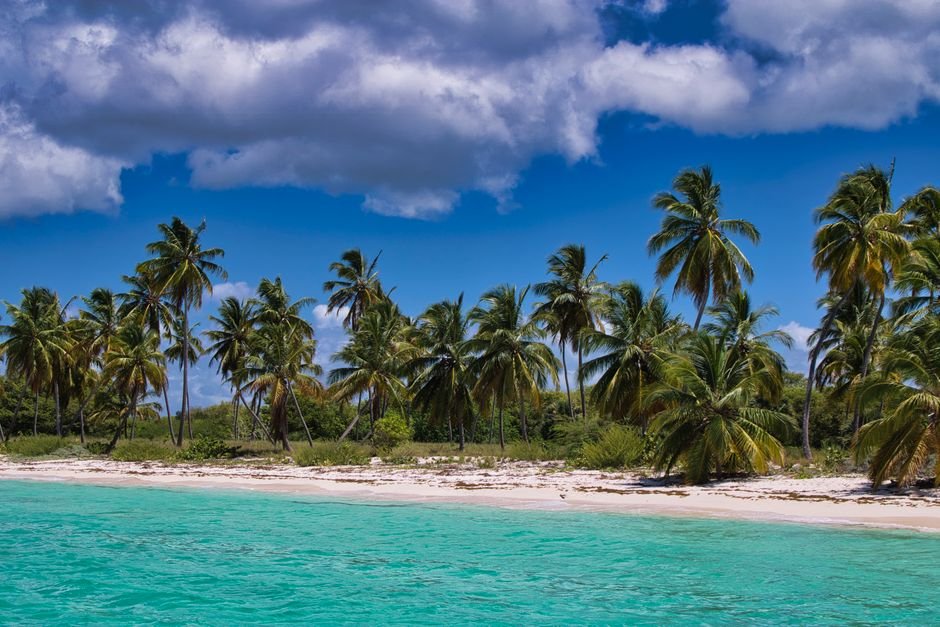
things to do in saint martin range from swimming at calm Caribbean beaches to browsing lively markets and tasting Creole food. The island is shared by French Saint-Martin in the north and Dutch Sint Maarten in the south, so one trip can include two distinct cultures.
Saint Martin is an island destination, not a single city or a country with one set of entry rules. Marigot is the main town on the French side, while Philipsburg is the capital of Dutch Sint Maarten. You can travel between the two sides, but it is useful to know which side your hotel, beach, or airport is on.
This guide covers the best things to do in saint martin, along with practical advice for getting around, choosing a beach, planning your budget, and preparing for arrival. The island is compact, but traffic and road conditions can make short distances take longer than expected.
20 Best Things to Do in Saint Martin
Use this quick guide to plan your days. Beach conditions and opening hours can change with the weather and season, so check locally before setting out.
| Experience | Where | Useful to know |
|---|---|---|
| Stroll the waterfront and shop | Philipsburg, Dutch side | Most convenient when cruise ships are in port |
| Visit the French-side market | Marigot, French side | Go in the morning for the liveliest stalls |
| Spend a beach day | Orient Bay or Grand Case | Bring sun protection and check sea conditions |
| Watch aircraft land | Maho Beach, Dutch side | Stay behind safety barriers and follow signs |
| Take a boat trip | Departures vary by operator | Book ahead in busy periods and confirm the meeting point |
Tip 1 – Start with the beaches that suit your day

There are beaches for different moods around Saint Martin. Orient Bay is known for its long stretch of sand and beach clubs, while Grand Case has a relaxed village setting nearby. Mullet Bay is popular for its clear water and broad beach. Check local conditions before swimming, since waves and currents can vary from one cove to another.
Some beaches have loungers and food service, while others are quieter and have fewer facilities. Bring drinking water, sunscreen, and a way to carry your rubbish back with you.
Tip 2 – Explore Philipsburg’s boardwalk and Front Street
Philipsburg is a good place to combine a waterfront walk with shopping, a meal, or a short stop at the beach. The boardwalk runs beside Great Bay, and Front Street has shops, cafés, and historic buildings. It can feel busy when cruise ships are in port, so visit earlier or later in the day if you prefer a calmer walk.
Check cruise schedules before planning a quiet afternoon here. If several ships are docked, expect more visitors, traffic, and queues at popular spots.
Tip 3 – Visit Marigot for French-side town life

Marigot is the main town on the French side and a useful stop for cafés, small shops, and waterfront views. Browse the market when it is open, then walk toward the marina or find a table for a leisurely lunch. Market days and stall hours can change, so ask your accommodation or check current local listings.
Marigot is also a practical place to notice how the French side differs from Dutch Sint Maarten. The island has no routine passport checkpoint between the two sides, but keep identification with you and allow time for road traffic.
Tip 4 – Enjoy the food and beach clubs at Orient Bay
Orient Bay is one of the best-known places for a full beach day. Visitors come for the wide sandy shore, water activities, and beachfront restaurants. Loungers and meals can add up, so check prices before settling in. If you want to spend less, bring a towel and snacks, while following any local rules about food and beach access.
The beach has areas with different atmospheres. Ask staff about the current setup if you want a quieter family spot or need to know which facilities are available.
Tip 5 – Try local food in Grand Case
Grand Case is a strong choice for a meal focused on the island’s mix of French, Caribbean, and Creole influences. Look for grilled fish, seafood, stewed dishes, and local sides. Some restaurants are more formal and costly, while casual spots offer a simpler meal. Menus and opening hours may vary by season.
If you have dietary needs, ask how a dish is prepared rather than relying on a menu description alone. In busy months, booking dinner ahead can save waiting.
Tip 6 – Visit Fort Louis for a view over Marigot
Fort Louis sits on a hill above Marigot and offers broad views across the town, harbor, and nearby coastline. The walk up includes steps and can feel hot at midday, so bring water and choose a cooler time. Wear shoes with grip, especially after rain.
The fort is an open historic site rather than a fully staffed museum. Take care around uneven surfaces and follow any notices about access or restoration work.
Tip 7 – Watch the planes at Maho Beach safely

Maho Beach is beside Princess Juliana International Airport, and arriving aircraft pass low over the shoreline. It is a memorable place to watch planes, but it is not a safe spot for standing close to the runway fence or confronting jet blast. Obey warning signs, stay behind barriers, and never hold onto a fence or stand in a restricted area.
Check the airport’s Princess Juliana International Airport website for airport information, but remember that flight times can change. Do not plan your visit around a single arrival unless you have checked current schedules.
Tip 8 – Snorkel in a sheltered spot
Snorkeling can be a rewarding way to see the island’s clear coastal waters. Choose a calm, sheltered beach and check conditions before entering. Bring or rent well-fitting equipment, and avoid touching coral, feeding fish, or standing on reefs.
If you are new to snorkeling, go with a reputable local operator or stay close to shore with a companion. Wind, swell, and boat traffic can make some locations unsuitable on a particular day.
Tip 9 – Take a boat trip to nearby islets
Boat trips can add a different perspective to a Saint Martin holiday. Some operators visit nearby cays or combine a swim stop with a coastal cruise. Confirm what is included, how long the trip lasts, where it departs, and whether food, drinks, and snorkel gear are provided.
Weather can affect departures, and smaller boats may be uncomfortable for travelers prone to seasickness. Choose an operator that explains safety equipment and cancellation arrangements clearly.
Tip 10 – Make time for Pinel Island

Pinel Island, off the French side, is a popular day trip for beach time and a slower pace. Visitors usually reach it by a short local ferry from the Cul-de-Sac area. Confirm the day’s service and return times before you go, and carry cash in case card facilities are limited.
Facilities and shade can be limited outside the main beach areas. Bring sun protection and water, and take your rubbish back with you. The small island can feel crowded at peak times, so an early start is helpful.
Tip 11 – Walk a section of the coastal trails
Saint Martin has coastal paths and nature areas that offer a break from driving between beaches. The Saint-Martin Nature Reserve protects important coastal and marine habitats. Choose a route that matches your fitness, carry water, and avoid setting out in the hottest part of the day.
Check current access guidance from the Saint-Martin Nature Reserve before visiting. Stay on marked paths, respect protected areas, and do not collect shells, plants, or wildlife.
Tip 12 – Spend an evening in Grand Case or Philipsburg
For dinner and a stroll, Grand Case offers restaurants along a village waterfront, while Philipsburg has a busier town-and-boardwalk feel. The right choice depends on where you are staying and whether you want a relaxed meal or more activity nearby. Taxis can be easier than driving after drinks.
Check restaurant hours in advance, especially outside the busiest travel months. If you are going out late, arrange your ride back before the evening gets busy.
Tip 13 – Visit Loterie Farm for a nature-focused break

Loterie Farm is a private nature property on the French side, with forest surroundings and activities that can include walking and zipline experiences. It offers a different day from the beach, but access, activity schedules, and costs can change. Check the property’s current information and book ahead if you want a specific activity.
Wear comfortable shoes and bring insect repellent. If you are visiting with children or have mobility needs, confirm age, height, and access requirements before paying.
Tip 14 – Plan a family-friendly beach day
Families can choose a beach with easy access, nearby food, and facilities rather than making a long outing to a remote cove. Orient Bay and parts of Great Bay are convenient options, but water conditions are not identical everywhere. Keep children within reach and follow lifeguard or local safety advice where available.
Pack shade, snacks, water, and a change of clothes. A beach umbrella may be worth renting if you plan to stay for several hours.
Tip 15 – Find free and lower-cost things to do
Not every enjoyable day needs a paid tour. Walk the Philipsburg boardwalk, explore Marigot, visit public beaches, and enjoy coastal viewpoints. Fort Louis is also a low-cost stop, though getting there involves a walk uphill.
For more travel ideas beyond a beach holiday, you can also browse our guide to 20 Fun and Best Things to Do in Hamilton, Ontario when planning a separate city break.
Tip 16 – Choose the right season for your plans
Saint Martin is warm throughout the year. The drier winter and spring months are popular with visitors, so accommodation and restaurants can be busier and more expensive. The wetter and hurricane season generally runs from June through November, although conditions vary each year.
Check forecasts and official storm guidance before and during your trip. Flexible bookings can be useful during the wetter season, and travel insurance should cover the activities and disruptions that matter to you.
Tip 17 – Get around with realistic travel times
There is no train or comprehensive island-wide public transit system for visitors. Local minibuses operate on some routes, while taxis and rental cars provide more flexibility. Minibus routes and schedules can be informal, so ask locally about the correct stop, fare, and last service.
Driving gives you access to beaches and viewpoints, but roads can be narrow and traffic can build around busy areas. If renting a car, confirm insurance, parking arrangements, and whether your licence is accepted. Avoid leaving valuables visible in a parked vehicle.
Tip 18 – Use useful apps, but keep a backup plan
Download offline maps before you leave your hotel, since mobile coverage can vary. Save your accommodation address, taxi contact, flight details, and the location of the nearest medical facility on your phone. A local SIM or roaming plan can help with bookings and navigation.
Do not rely only on an app for a ferry, minibus, or restaurant opening time. Confirm important arrangements directly with the provider, and carry some cash for small purchases or places that do not accept cards.
Tip 19 – Keep safety and local customs in mind
Use common sense around busy tourist areas: keep valuables secure, use licensed transport, and avoid walking alone in unfamiliar areas late at night. Sun and heat can be as disruptive as a long day out, so drink water and take breaks. For emergencies, ask your accommodation to confirm the correct local number for your side of the island. The French side uses European emergency services, while Dutch Sint Maarten has its own emergency system.
The island is culturally mixed, and languages include French, Dutch, English, and local Creole varieties. English is widely understood in many visitor areas. A friendly “bonjour” on the French side or “good morning” on the Dutch side is appreciated. Ask before photographing people, and follow local guidance on beach clothing and protected natural areas.
Tip 20 – Pack for sun, showers, and island roads
Bring light clothing, swimwear, reef-conscious sun protection, a hat, insect repellent, and comfortable shoes. A light rain layer is useful, especially in wetter months. Pack any prescription medicine you need, plus a small first-aid kit and a power adapter suited to your accommodation.
One common tourist mistake is trying to fit too many beaches and towns into one day. Island roads can be slow, and a short distance on a map may take longer than expected. Pick one main area each day and leave time to enjoy it.
Visa & Entry Requirements
Saint Martin has two jurisdictions, so entry rules depend on where you are going and how you arrive. The northern part is the French overseas collectivity of Saint-Martin, which is part of France. The southern part is Sint Maarten, a constituent country within the Kingdom of the Netherlands. They have separate immigration arrangements, and rules for one side should not be assumed to apply to the other.
Visa requirements, passport-validity rules, blank-page requirements, electronic travel authorization, vaccination guidance, customs rules, and permitted length of stay depend on your passport and current government policy. Transit stops can also have their own requirements. Check the official France-Visas visa wizard for the French side and the Government of the Netherlands’ Caribbean visa guidance for Sint Maarten. These official pages are starting points, not a substitute for checking the rules that apply to your exact itinerary.
Before departure, confirm that your passport will remain valid for the period required by the relevant authorities and that it has any required blank pages. Check whether you need a visa or electronic authorization, and review the latest health and vaccination advice. Some travelers may be asked for return or onward travel details, proof of accommodation, or evidence that they can cover their stay. Keep copies of reservations and travel insurance details accessible, and check whether your insurance covers planned activities.
Review customs restrictions before packing, particularly for food, medicines, alcohol, and items brought across borders. Declare goods when required and do not assume that rules are identical on both sides. Since policies can change, consult the relevant French or Dutch official government or embassy source shortly before travel. If your route includes a connection through another country, check that country’s transit rules too. This is practical travel guidance, not legal advice, and no general summary can guarantee admission.
Frequently Asked Questions About Things to Do in Saint Martin
Is Saint Martin one country?
No. The island is divided between French Saint-Martin in the north and Dutch Sint Maarten in the south. The two sides have different administrations and entry rules, although visitors commonly travel between them by road.
How many days do you need for the best things to do in saint martin?
Three or four days can cover a few beaches, Marigot, Philipsburg, and one boat or nature outing. A week gives you more time to explore different parts of the island without rushing between stops.
Which side of Saint Martin is best to stay on?
It depends on your plans. Choose the French side for places such as Marigot, Grand Case, and Orient Bay. The Dutch side is convenient for Philipsburg, Maho Beach, and Princess Juliana International Airport. Compare your accommodation location with the beaches and activities you want to visit.
Can you travel between the French and Dutch sides?
Yes. Roads connect the two sides, and there is generally no routine passport checkpoint for people moving around the island. Carry identification anyway, and check current entry requirements for both jurisdictions before your trip.
What are the best things to do in saint martin with children?
Consider a beach with nearby facilities, a short boat outing in suitable weather, or a town walk in Marigot or Philipsburg. Check water conditions, activity age limits, and access before setting out, and bring plenty of sun protection and drinking water.
Do you need a rental car in Saint Martin?
A car is useful for reaching several beaches and viewpoints, but it is not essential if you stay near restaurants and use taxis or local minibuses. Public transport routes may not suit every itinerary, so ask your accommodation about transport options before booking.
What is the most common tourist mistake in Saint Martin?
Trying to visit too many places in one day is a common mistake. Traffic, parking, and time spent at the beach can add up. Plan around one main area at a time and leave room for delays.
Conclusion
The best things to do in saint martin include much more than relaxing on the sand. You can explore the towns of Marigot and Philipsburg, eat your way through Grand Case, visit Fort Louis, watch aircraft at Maho Beach, and make time for the island’s trails and nearby islets.
Choose activities based on where you are staying, check conditions before boat trips or swimming, and allow extra time for getting around. Remember that the island has French and Dutch jurisdictions with separate entry rules, and verify the requirements for your passport before you travel.
With a little planning and a flexible schedule, Saint Martin makes it easy to combine beach time, local food, nature, and two distinct island cultures in one trip.
1 thought on “20 Fun and Best things to do in saint martin”