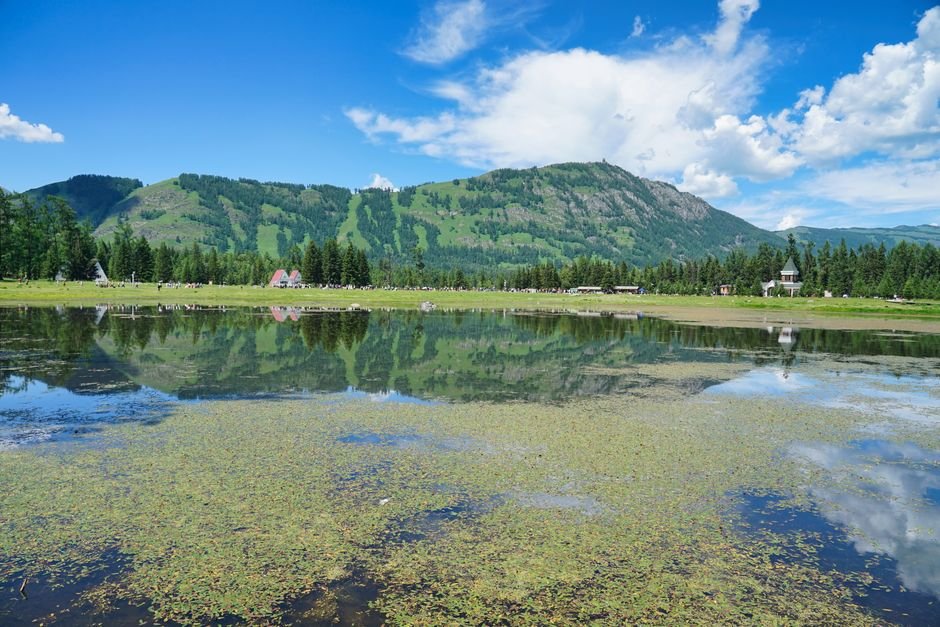
things to do in big bear summer include lake days, forest trails, scenic rides, and relaxed time in Big Bear Lake, California. This mountain town in the United States offers a cool change of pace from the Southern California cities below.
Big Bear Lake sits in the San Bernardino Mountains at about 6,750 feet (2,060 metres). The higher elevation means sunny days can still feel cool in the morning and evening, and some visitors notice the altitude when hiking.
Use this guide to plan a summer visit, whether you want outdoor adventures, family activities, easy walks, or a few quiet hours by the water. Conditions, opening hours, and activities can change, so check local updates before setting out.
If you enjoy exploring mountain towns, you may also like this guide to 20 Fun and Best things to do in ellijay.
20 Things to Do in Big Bear Summer
This quick-reference table can help you match activities to your time, budget, and travel style. Prices and availability vary by season, operator, and day of the week.
| Activity | Best for | Useful to know |
|---|---|---|
| Big Bear Lake boating | Groups and water lovers | Book rentals ahead on busy weekends |
| Alpine Pedal Path | Families and easy cycling | Mostly level and close to the lake |
| Castle Rock Trail | Short hikes with views | Steep sections and rocky footing |
| The Village | Shopping, dining, and an easy stroll | Parking can fill on summer weekends |
| Big Bear Discovery Center | Nature and local information | Check current visitor services and hours |
Tip 1 – Spend time on Big Bear Lake

A lake outing is one of the classic things to do in big bear summer. You can take a sightseeing cruise, rent a kayak or paddleboard, or simply enjoy the mountain views from a public lakeside area. Check which launch points and shoreline areas are open to the public, as much of the waterfront is privately owned.
Wear a properly fitted life jacket on the water and follow the rental operator’s safety instructions. The lake is high in the mountains, so bring drinking water and sun protection even when the air feels cool.
Tip 2 – Cycle the Alpine Pedal Path
The Alpine Pedal Path is a paved, mostly level route beside the lake, making it a good choice for a gentle bike ride, a family stroll, or a morning run. You can enjoy lake and forest scenery without committing to a strenuous trail.
Bring your own bicycle or check local rental options before you arrive. Stay alert for pedestrians, give other path users room, and use a helmet if you are cycling.
Tip 3 – Hike to Castle Rock

Castle Rock Trail is a popular short hike with a rewarding view over the surrounding mountains and lake. It is not an easy stroll all the way up: expect uneven ground, rocky stretches, and a steeper climb near the viewpoint.
Start early on hot or busy days, wear shoes with good grip, and carry water. Check current trail conditions and parking information before you go, and turn back if the route feels beyond your comfort level.
Tip 4 – Walk a section of the Pine Knot Trail
Pine Knot Trail offers a forest walk with mountain scenery and a gradual climb. You do not have to reach the trail’s full destination to enjoy a shorter out-and-back hike, so choose a distance that suits your group.
Take a map or an offline route, as mobile reception can be inconsistent in the mountains. Keep to marked paths, and let someone know your plans if you are hiking alone.
Tip 5 – Explore the Big Bear Discovery Center
Stop at the Big Bear Discovery Center for information about the local forest, wildlife, and outdoor recreation. It is a useful first stop if you want help choosing a trail or understanding current forest conditions.
Visitor services and opening hours can vary, so check the San Bernardino National Forest website before planning your visit. Ask about current fire restrictions and any area closures.
Tip 6 – Take a scenic drive around the lake
A drive around Big Bear Lake is an easy way to see different parts of the area, including forested stretches and lakeside viewpoints. Allow extra time for stops, weekend traffic, and parking, especially during summer holidays.
Pull over only in safe, signed areas. Do not stop in the road for photographs, and never leave valuables visible in a parked vehicle.
Tip 7 – Browse The Village

The Village is Big Bear Lake’s walkable downtown area, with shops, cafés, restaurants, and services. It is a pleasant place to take a break between outdoor activities or to spend an evening without driving between several stops.
Parking is more difficult at peak times, so arrive earlier or be ready for a short walk. Bring a light layer for after sunset, when temperatures can drop quickly.
Tip 8 – Try a lake cruise
A narrated cruise is a comfortable way to learn about Big Bear Lake and see the shoreline from the water. It suits visitors who want lake views but would rather not paddle or operate a boat themselves.
Check the departure point, schedule, and accessibility details when booking. On sunny days, a hat and sunscreen are useful even if you plan to sit under cover.
Tip 9 – Rent a kayak or paddleboard
For a more active lake visit, rent a kayak or stand-up paddleboard from a local operator. Calm conditions are generally more comfortable for beginners, but wind and boat traffic can change the experience quickly.
Reserve ahead on summer weekends, follow the rental company’s boundaries, and wear the supplied personal flotation device. If you are new to paddling, ask for a short safety briefing before launching.
Tip 10 – Ride or watch the summer mountain activities

When operating, Big Bear’s mountain resort areas offer summer activities such as lift-served mountain biking and scenic rides. These can be a fun change from the lake, but hours, trail access, and available services depend on the season and weather.
Check the Big Bear Mountain Resort website for current summer operations, tickets, and rider requirements. Beginners should choose suitable trails and use the safety equipment recommended by the resort.
Tip 11 – Visit Boulder Bay Park
Boulder Bay Park is a scenic place to sit by the water, enjoy a picnic, and take photographs of the lake and surrounding rocks. It is a simple, low-cost stop that can fit into a relaxed day of sightseeing.
Facilities and access can change, so check local notices before you go. Pack out all rubbish, keep food secured, and do not feed wildlife.
Tip 12 – Look for local wildlife responsibly
Big Bear’s forest and lake environments are home to birds and other wildlife. Keep a respectful distance, use binoculars rather than approaching animals, and never leave food where wildlife can reach it.
Black bears may be present in the wider region. Store food securely, follow posted rules at campsites and recreation areas, and do not approach or attempt to photograph wildlife at close range.
Tip 13 – Plan a family visit to the Big Bear Alpine Zoo

The Big Bear Alpine Zoo is a family-friendly option for learning about local and regional wildlife. It can be a welcome change of pace if younger travelers need a break from longer hikes or time on the water.
Check the zoo’s official visitor information for current hours, admission, and animal-care guidelines. Give yourself enough time to visit without rushing, and follow staff instructions around the animals.
Tip 14 – Go fishing with the right local information
Fishing is a popular way to spend a quiet morning at Big Bear Lake. Before casting a line, check current California fishing rules, license requirements, seasonal limits, and any local restrictions that apply to your chosen spot.
Bring suitable gear and leave the shoreline clean. Do not assume that a license or permit from another place is valid in California.
Tip 15 – Book a horseback ride
Guided horseback riding can offer a different view of the mountain landscape and is a good option for visitors who want an outdoor activity without planning their own route. Availability and ride lengths vary by operator and season.
Ask about age, weight, and experience requirements before booking. Wear long trousers and closed-toe shoes, and follow the guide’s instructions throughout the ride.
Tip 16 – Plan a picnic or casual meal
A picnic is an easy way to keep a Big Bear day affordable. Pick up food in town and eat only in an area where picnicking is allowed. In dry weather, be especially careful with flames, smoking, and hot equipment because fire risk can rise quickly.
For a sit-down meal, The Village and nearby commercial areas have cafés and restaurants. Check opening hours in advance, particularly if you plan to eat early or late.
Tip 17 – Choose a low-cost day outdoors
You can enjoy many things to do in big bear summer without booking a paid attraction. A walk along the Alpine Pedal Path, time at an appropriate public park, and a self-guided drive can make a full day with modest costs.
Budget for parking, fuel, food, and any recreation or forest fees that apply. Confirm current charges and restrictions rather than assuming every trailhead or lakeside stop is free.
Tip 18 – Use local transport where it suits your plans
A car is convenient for reaching trailheads and different lake areas, but it is not always necessary for every part of a visit. Check Mountain Transit routes and service information to see whether public transport works for your itinerary.
Service frequency and routes may not match every activity or late-night plan. If you rely on transit, confirm the return trip before setting out and allow time for walking between stops and attractions.
Tip 19 – Check weather, fire conditions, and trail access
Summer weather can bring warm afternoons, cool evenings, sudden showers, and strong sun. Check the forecast on the day of each outing, and look for official forest alerts, road information, and fire restrictions before driving to a trail or picnic area.
Carry water, a charged phone, and a paper or offline map. If an area is closed, respect the closure and choose another activity rather than trying to find an unofficial way in.
Tip 20 – Avoid the most common visitor mistake
The most common mistake is treating Big Bear like a lowland day trip and arriving without checking road conditions, parking, reservations, or the altitude. Summer weekends can be busy, while some services and activities operate on limited schedules.
Plan your main activity early, book popular rentals ahead, and leave room in your schedule for traffic and weather changes. These small steps make things to do in big bear summer much easier to enjoy.
Best time to visit Big Bear in summer
Summer is a popular time for lake activities, hiking, biking, and outdoor dining. Weekdays are often quieter than weekends, while holiday periods can bring heavier traffic and fuller parking areas.
June through August is generally the warmest part of the year, but mountain weather can still change. Spring and early fall may feel quieter, though some summer services may have shorter hours or may not be operating.
What to pack for a Big Bear summer trip
- Layers, including a warm top for mornings and evenings.
- Comfortable walking shoes or hiking shoes with good grip.
- Sun protection, including sunscreen, sunglasses, and a hat.
- Reusable water bottles and extra water for hikes.
- A swimsuit and a quick-drying layer for lake activities.
- A charged phone, portable battery, and offline map.
- Any activity-specific safety equipment required by your operator.
Local customs, safety, and useful information
English is widely used in Big Bear Lake, and Spanish may also be helpful in some visitor and service settings. A friendly “hello,” “please,” and “thank you” is always appreciated. Follow signs at parks and trailheads, respect private property, and keep noise down near homes and campgrounds.
Call 911 for an emergency in the United States. For non-emergency concerns, ask local authorities or your accommodation for the appropriate contact. Keep your vehicle locked, do not leave valuables in view, and tell someone your hiking plans if you are going out alone.
For more local trip-planning information, the official Big Bear visitor website is a useful place to check current attractions, dining, and seasonal updates.
Visa & Entry Requirements
Big Bear Lake is in California, United States, so international visitors must meet the entry requirements for the United States. Rules depend on the traveler’s passport, travel purpose, travel history, and current government policy. They can change, so do not rely on a friend’s experience or on information written for a different nationality.
Before booking, check whether you need a visitor visa or may be eligible to travel under the Visa Waiver Program with an approved Electronic System for Travel Authorization (ESTA). An ESTA is not a visa, and eligibility and approval are not guaranteed. Start with the U.S. Department of State visa information and confirm ESTA details through the official U.S. government ESTA site.
Check your passport’s validity and condition, including whether it has enough blank pages for your itinerary and any transit countries. The required validity period can depend on your nationality and applicable arrangements, so confirm the rule for your own passport with official sources. If you need a visa or electronic authorization, apply through the correct government service and allow time for processing.
Border officials may ask about your trip, accommodation, return or onward travel, and ability to cover your visit. Keep useful booking details available, but understand that carrying documents does not guarantee entry. Travel insurance is a sensible way to prepare for medical costs, cancellations, or other unexpected problems. Review what the policy covers, including outdoor activities you plan to do.
Vaccination and health requirements, customs declarations, restrictions on food or other goods, and permitted length of stay depend on current U.S. rules and your circumstances. Check the U.S. Customs and Border Protection guidance for international visitors before departure. Recheck official immigration, embassy, and government information shortly before you travel. This is general planning information, not legal advice or a guarantee of admission.
Frequently Asked Questions
What are the best things to do in Big Bear in summer?
Popular choices include spending time on Big Bear Lake, walking the Alpine Pedal Path, hiking Castle Rock Trail, visiting The Village, and checking seasonal mountain activities. The best plan depends on weather, mobility, and whether you prefer water, forest, or town activities.
Is Big Bear Lake worth visiting in summer?
Yes, summer is a good season for lake recreation, outdoor dining, and mountain trails. It is also a busy period, especially on weekends and holidays, so book popular activities early and allow extra time for parking and traffic.
Can you swim in Big Bear Lake?
Do not assume that every stretch of shoreline is open for swimming. Public access and local rules vary by location, and much of the lake edge is privately owned. Check current local guidance and use designated access points.
Do I need a car in Big Bear Lake?
A car makes it easier to reach trailheads and spread-out attractions, but local transit may work for some routes. Check Mountain Transit’s current schedule and plan your return before relying on it for a full day out.
What should I wear in Big Bear during summer?
Wear layers. Days can be sunny and warm, but mornings and evenings are cooler, and weather can change. Bring comfortable walking shoes, sun protection, and a warmer layer even if the forecast looks mild.
Is Big Bear suitable for families?
Yes. Families can choose easier options such as the Alpine Pedal Path, a lake cruise, a picnic, or the Big Bear Alpine Zoo. Check age and safety requirements before booking water sports, horseback riding, or mountain activities.
How many days should I spend in Big Bear?
A full day can cover one main activity and a meal in The Village, but two or three days give you more time for the lake, hiking, and a relaxed schedule. Add time if you are visiting on a busy weekend or traveling from farther away.
Conclusion
Big Bear Lake brings together mountain scenery, lake activities, forest trails, and a compact downtown area. With options ranging from an easy lakeside walk to a full day on the water, there are things to do in big bear summer for different ages, budgets, and energy levels.
Check current conditions, plan around busy weekends, and pack for both sun and cool evenings. A little preparation helps you spend less time sorting out logistics and more time enjoying the mountains.
1 thought on “20 Fun and Best things to do in big bear summer”