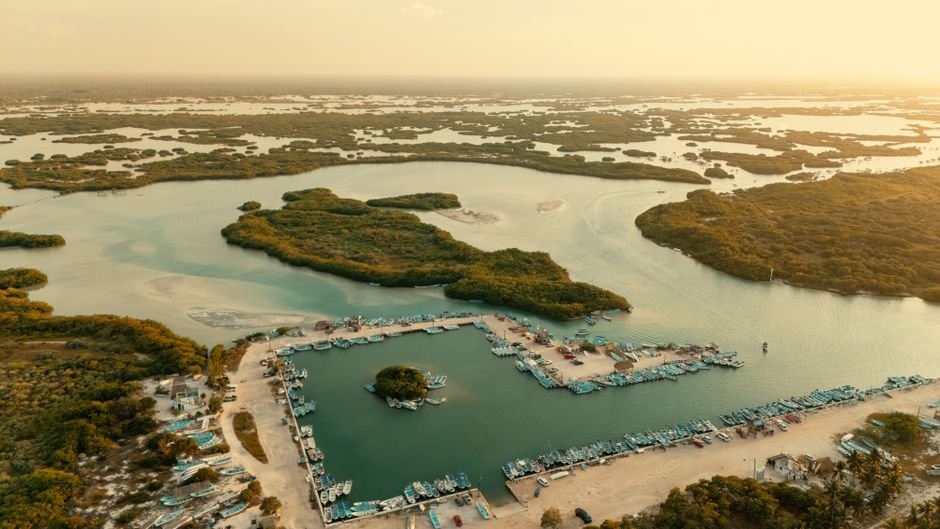
things to do in faro include wandering a walled old town, tasting fresh seafood and exploring the waterways of Portugal’s Ria Formosa. Faro is the Algarve’s capital, but it feels calmer than many of the region’s beach resorts.
You can see the historic centre in a day, yet staying longer gives you time for a boat trip, a beach afternoon and a relaxed meal by the marina. Faro is also a useful base for exploring other parts of the Algarve by train or bus.
This guide covers the best attractions, local experiences and practical details to help you plan a comfortable first visit to Faro, Portugal.
20 Things to Do in Faro
Use this quick guide to match Faro’s highlights with the time you have. Boat schedules, opening hours and beach transport can change by season, so check details before setting out.
| Experience | Best for | Time to allow |
|---|---|---|
| Explore Faro Old Town | History and architecture | 2 to 3 hours |
| Visit Ria Formosa | Nature and boat trips | Half a day |
| Relax at Praia de Faro | Swimming and beach time | Half a day or more |
| Try Algarve seafood | Food and local culture | 1 to 2 hours |
| Take a day trip by train | Exploring the Algarve | Half a day or a full day |
Tip 1 – Walk through Faro Old Town

Start your visit in Cidade Velha, Faro’s compact historic centre. Enter through the Arco da Vila and follow the quiet lanes past whitewashed houses, tiled facades and small squares. The old town is easy to explore on foot, though some streets have uneven paving.
Come in the morning or later in the afternoon for softer light and fewer tour groups. You do not need a fixed route: allow time to pause for coffee and look into the courtyards and side streets.
Tip 2 – See Faro Cathedral and climb the tower
Faro Cathedral, or Sé de Faro, stands in Largo da Sé, close to the old town entrance. The building brings together architectural details from different periods, and the tower gives you a view over the city’s rooftops and the Ria Formosa lagoon.
There is usually an admission charge for the cathedral complex. Check opening times before you go, especially on religious holidays, and wear shoes that are comfortable for stairs.
Tip 3 – Visit the Municipal Museum of Faro

The Municipal Museum of Faro is housed in a former convent near the cathedral. Its collection covers local archaeology and history, including objects from the Roman period. The peaceful courtyard is a welcome break from the midday sun.
This is a good choice if you want more context for the city than you will get from a quick walk. Museum hours and admission arrangements may vary, so check locally before planning your day around a visit.
Tip 4 – See the Capela dos Ossos
The Chapel of Bones is inside Igreja do Carmo, a church a short walk from central Faro. Its walls are decorated with human bones, making it a memorable but not light-hearted stop. Visitors who find this kind of display unsettling may prefer to skip the chapel and see the church alone.
Check the church’s visiting hours and any entrance fee before you arrive. Dress respectfully, as this is a religious site as well as a tourist attraction.
Tip 5 – Browse Faro Municipal Market
Mercado Municipal de Faro is a practical place to see local produce, fish, baked goods and everyday shopping in the city. It is more of a working market than a staged tourist attraction, so visit in the morning when activity is livelier.
Look for seasonal fruit, regional cheeses and small places to eat. Some stalls and food counters may close earlier than shops in the main centre, so do not leave your market visit until late in the day.
Tip 6 – Take a boat trip through Ria Formosa
Ria Formosa is a protected coastal lagoon system known for its islands, salt marshes and birdlife. Boat trips from Faro offer a different view of the Algarve, with options ranging from short sightseeing routes to longer excursions that stop on barrier islands.
Choose a tour based on how much time you have and whether you want a wildlife focus, a swim stop or a simple ride through the lagoon. Wind and tides can affect the experience, and sightings of particular birds or animals are never guaranteed.
Tip 7 – Spend time on Ilha Deserta

Ilha Deserta, also called Barreta Island, is a quiet barrier island reached by boat from Faro. It is a good choice if you want a less built-up beach setting and a walk beside the lagoon or open Atlantic shore.
Bring water, sun protection and anything else you will need for several hours. Facilities are limited compared with a city beach, and boats run to a timetable that can change with the season and weather. Check your return departure before you settle in.
Tip 8 – Make a beach day at Praia de Faro
Praia de Faro is the city’s easiest-known beach, set along a long sandy island connected to the mainland by road. It has restaurants and seasonal services, so it is more convenient than the quieter islands for a relaxed swim or lunch by the sea.
You can reach the beach by bus or taxi, and the journey is usually easier outside the busiest summer periods. In peak season, allow extra time for traffic and crowded beach areas. The Atlantic can be cool, and conditions can be rough, so follow local safety notices.
Tip 9 – Eat Algarve seafood
Faro is a good place to try seafood dishes such as grilled fish, clams and cataplana, a traditional stew often made with shellfish. Restaurants around the old town and marina offer plenty of choice, from casual lunches to longer dinners.
Ask what is fresh and seasonal rather than assuming every dish is available year-round. If you have allergies or dietary needs, explain them clearly when ordering. A simple phrase such as “Sem marisco, por favor” means “No shellfish, please.”
Tip 10 – Stroll along the marina and waterfront

Faro Marina is close to the centre and makes an easy stop before or after a meal. Walk along the waterfront, watch boats come and go, or find a cafe for a break. The setting is especially pleasant in the early evening.
The marina is not a major beach or harbour attraction, so keep expectations simple. It is best enjoyed as part of a wider walk through central Faro rather than as a destination that needs a full day.
Tip 11 – Look for street art and local details
Beyond the main sights, Faro rewards slow wandering. Look for tiled doorways, decorative balconies and public art as you walk between the old town, the shopping streets and the waterfront. These small details help show the everyday character of the city.
Keep your camera discreet around residents and ask before photographing people. If you like exploring independently, save a map on your phone before leaving your accommodation in case mobile coverage is patchy in a building or your data plan is limited.
Tip 12 – Try a local cafe and Portuguese pastries
Make time for a coffee break at a local pastelaria. You will often find espresso, sandwiches and pastries, including regional sweets from the Algarve. A cafe stop is an affordable way to rest between sightseeing without needing a long restaurant meal.
Useful phrases include “um café, por favor” for a coffee and “a conta, por favor” when you are ready to pay. Many places accept cards, but carrying a little cash can help at small businesses or market stalls.
Tip 13 – Watch the light over the lagoon

Set aside some time around sunset for a walk near the marina or another open waterfront spot. The changing light over the lagoon and boats can make this one of the calmest parts of a busy sightseeing day.
Sunset times vary through the year, and the best viewing spot depends on your plans and the weather. If you are taking a boat tour, check whether the operator offers an evening departure rather than assuming every route runs late.
Tip 14 – Take an easy day trip by train
Faro is a useful starting point for exploring the Algarve. Trains connect the city with places such as Tavira and Lagos, though journey times and service patterns differ. Check the official Comboios de Portugal train information before choosing a destination.
For a day trip, check the return timetable before you leave and leave some flexibility for delays. A train is often more relaxing than driving, but it may not take you directly to every beach or attraction.
Tip 15 – Choose a family-friendly pace
Families can combine a short old-town walk with a market visit, a boat ride or time at Praia de Faro. Avoid packing too many indoor and outdoor stops into one hot afternoon, and plan breaks around food, shade and children’s energy levels.
If you are planning activities with children, this guide to 20 Fun and Best things to do with kids in fort lauderdale offers another set of family outing ideas. Faro’s best family plan will depend on the season, the children’s ages and how comfortable they are in the sun.
Tip 16 – Find low-cost ways to enjoy Faro
Walking through the old town, exploring the waterfront and spending time at the beach can fill much of a day without expensive tickets. Save paid activities for the experiences that matter most to you, such as a boat trip or museum visit.
For a budget-friendly meal, look for lunch menus and bakeries away from the busiest waterfront spots. In summer, book accommodation early if you can, as prices and availability can change quickly.
Tip 17 – Pick the best time to visit
Spring and early autumn often bring warm weather with fewer peak-season crowds than midsummer. July and August are popular for beach trips, but expect stronger sun, busier transport and higher demand for accommodation and tours.
Winter is generally quieter and can suit city walks, but some beach services and boat excursions may operate less often. Check seasonal schedules before travelling if a particular island or tour is central to your plans.
Tip 18 – Get around Faro simply
The central sights are close enough to explore on foot. Local buses can help with journeys beyond the centre, including trips towards Praia de Faro, while trains are useful for some regional day trips. Faro Airport is close to the city, but check your route and transport hours before arrival.
For airport information and travel updates, use the official Faro Airport website. Taxi and ride-hailing availability can vary by time and location, so do not assume a car will be immediately available late at night.
Tip 19 – Pack for sun, walking and the coast
Bring comfortable walking shoes for cobbled streets, a hat and sunscreen for sunny days, and a light layer for breezier evenings. If you plan to swim, pack beach footwear and check local conditions before entering the water.
A refillable water bottle is useful, especially in hot weather. In winter or on a boat trip, a light waterproof layer can be more useful than packing only summer clothes.
Tip 20 – Avoid the most common visitor mistake
A common mistake is treating Faro only as an airport stop on the way to another Algarve resort. The city has a historic centre, a working local life and quick access to Ria Formosa, so it deserves at least a full day if your schedule allows.
Another easy error is assuming island boats and beach transport run at the same frequency all year. Check timetables in advance, leave time for your return journey and avoid planning a tight connection after a boat excursion.
Practical Travel Tips for Faro
- Useful apps: Check CP’s official app or website for train times, and use a map app to plan walking and local bus connections. Download maps for offline use if needed.
- Safety: Faro is generally straightforward to explore, but use normal city awareness. Keep valuables secure in busy areas, take care on uneven paving and follow beach and boat safety instructions.
- Emergency help: Call 112 for emergency services in Portugal and across the European Union. Save your accommodation address and keep your phone charged.
- Local customs: A polite “Bom dia” means good morning, and “Obrigado” is thank you when spoken by a man, while “Obrigada” is used by a woman. Ask before photographing people or entering a place of worship.
- Bookings: Book accommodation and popular summer boat trips ahead where possible. Confirm cancellation terms and departure locations before paying.
Visa & Entry Requirements
Faro is in Portugal, which is part of the Schengen Area. Entry requirements are not the same for every visitor. Visa rules, passport-validity requirements, electronic travel authorization, vaccination rules, customs procedures and permitted length of stay depend on your passport, travel purpose and the government policies in force on your travel dates.
Before booking or departing, check the Portuguese government’s official visa information portal and the immigration or embassy guidance for your circumstances. You can also review the European Union’s official entry and exit information. Use these sources to confirm whether you need a visa or electronic authorization and whether any new system applies to your trip. Requirements can change, so check again close to departure.
Check that your passport is valid for the period required for your situation and has blank pages if needed for travel documentation. Do not assume the same validity rule applies to every passport. If you are travelling on a visa, confirm the number of permitted entries, dates and length of stay. Some short visits may be subject to Schengen time limits, while other visitors may have different conditions.
Keep copies of your accommodation details and return or onward travel plans in case you are asked to show them. Travel insurance is sensible for medical care, delays and lost belongings, though the coverage you need depends on your plans. Check whether any vaccination documentation is required for your journey, including transit stops, and review customs rules for items you plan to bring into Portugal. Declare goods when required.
These are practical checks, not legal advice or a guarantee of entry. The final decision rests with the relevant authorities, so rely on current official Portuguese and European government information rather than an old blog post or advice from another traveller.
Frequently Asked Questions About Things to Do in Faro
What are the best things to do in Faro for a first visit?
Walk through the old town, visit Faro Cathedral, explore the Municipal Museum and take a boat trip or beach outing to experience Ria Formosa. Add a seafood meal and a waterfront stroll if you have time.
Is Faro worth visiting, or should I go straight to the beach resorts?
Faro is worth a visit if you enjoy historic streets, local food and nature trips. It is smaller and quieter than many Algarve resorts, and its appeal is a mix of city history and access to the lagoon rather than a large beachfront in the centre.
How many days should I spend in Faro?
One full day is enough for the main historic sights. Two or three days allow time for a boat trip, Praia de Faro and a more relaxed pace, or a day trip to another Algarve town.
Can I visit the beach from Faro without a car?
Yes. You can reach Praia de Faro using local transport, though routes and schedules can vary by season. Boat trips also connect Faro with some barrier islands. Check current timetables and plan your return before setting off.
What is Faro known for?
Faro is known for its historic old town, Faro Cathedral, the Capela dos Ossos and its location beside Ria Formosa. It is also the capital of the Algarve and an important transport gateway for southern Portugal.
Is Faro easy to explore on foot?
The central sights are walkable, and the old town is compact. For Praia de Faro, the airport or destinations outside the centre, you will need transport. Some historic streets have uneven surfaces, so comfortable shoes are useful.
Conclusion
The best things to do in Faro combine history, food and time by the water. You can spend a morning in the old town, take a boat through Ria Formosa and end the day with a seafood dinner near the centre.
Plan around the season, check boat and transport schedules, and leave room for an unhurried cafe stop or a quiet walk beside the lagoon. With a little preparation, Faro makes a rewarding Algarve destination in its own right.
1 thought on “20 Fun and Best things to do in faro”