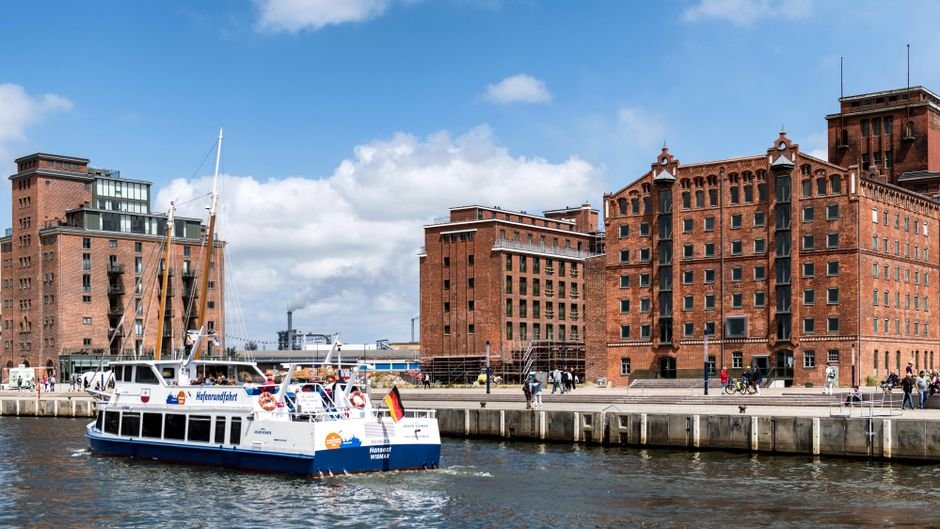
things to do in kaohsiung range from ferry rides and temple visits to night-market dinners and waterfront art. Taiwan’s sunny southern port city is easy to explore, with an efficient metro, a lively local food scene, and plenty of ways to spend time outdoors.
Kaohsiung feels different from Taiwan’s busy northern capital. Its wide boulevards, harbor views, and relaxed pace make it a rewarding stop for first-time visitors, though summer heat and sudden rain can affect outdoor plans.
Use this guide to plan the best sights, local experiences, food stops, and practical details for a trip to Kaohsiung, Taiwan. You can fit several central attractions into a short visit, but staying longer gives you time for islands, hillside views, and a slower look at local neighborhoods.
Kaohsiung at a Glance
| Travel detail | What to know |
|---|---|
| Best for | Harbor scenery, temples, art spaces, night markets, and relaxed city exploring |
| Getting around | Kaohsiung MRT, light rail, buses, ferries, taxis, and YouBike |
| Good stay length | Two to four days, with extra time for a day trip to Fo Guang Shan |
| Best time to visit | Autumn through spring is generally more comfortable for walking |
| Local money | New Taiwan dollar, often written as NT$ or TWD |
| Useful basics | Carry water, sun protection, and a contactless transit card or mobile payment option |
20 Great Things to Do in Kaohsiung
Tip 1 – Start your things to do in kaohsiung plan at the harbor

Kaohsiung’s harbor is central to the city’s identity. Walk around the waterfront near the Pier-2 Art Center, where former warehouses now hold galleries, shops, public art, and casual cafés. It is an easy first stop for getting a feel for the city.
The area is spread out, so wear comfortable shoes and allow time to wander. Visit earlier or later in the day if you want to avoid the strongest sun.
Tip 2 – Explore the Pier-2 Art Center
Pier-2 is one of the most enjoyable places to explore at your own pace. Old port buildings and rail sidings have been turned into exhibition spaces, design shops, and open-air art areas. The installations and exhibits change, so there is usually something new to notice.
Some galleries charge admission while the outdoor spaces are often free. Check opening hours for individual venues before making a special trip.
Tip 3 – Take the ferry to Cijin Island

Ride the ferry from Gushan to Cijin for sea air, seafood, and a change of pace. You can rent a bicycle or electric scooter, walk along the coast, and visit Cihou Fort and the Cijin Lighthouse area. Check the current ferry rules before bringing a bicycle onboard.
Give yourself several hours rather than rushing through. The island is exposed to sun and wind, and the beach conditions are not always ideal for swimming.
Tip 4 – Eat your way around a night market
Night markets are a memorable part of Kaohsiung evenings. Liuhe Night Market is convenient for visitors staying near Formosa Boulevard, while Ruifeng Night Market is popular with local diners and has a broad choice of snacks and small meals.
Opening days and hours can change, and some stalls take cash only. Go hungry, order a few items to share, and look for busy stalls with freshly prepared food.
Tip 5 – See the Dome of Light at Formosa Boulevard
Formosa Boulevard Station is a useful transport hub and a destination in its own right. Its large glass artwork, known as the Dome of Light, fills the station concourse with color. It is free to see while passing through the station.
Visit outside the busiest commute periods if you want time to look around or take a photo without blocking the flow of passengers.
Tip 6 – Walk or cycle along the Love River
The Love River runs through central Kaohsiung and has paths that are pleasant for a relaxed stroll. The area is especially atmospheric around sunset and after dark, when the bridges and riverside buildings are lit.
You can also look for short boat trips, but check the current schedule and departure point before planning around one. A riverside walk is an easy alternative if boats are not running.
Tip 7 – Visit Lotus Pond and its temples

Lotus Pond in Zuoying is known for its lakeside temples, pagodas, and colorful religious architecture. The Dragon and Tiger Pagodas are among its best-known landmarks, but access to individual buildings can change during repairs or restoration. Check local notices before you go.
Allow time for a walk along the water and visit respectfully. Keep noise low around worshippers, follow signs, and dress in a way that feels appropriate for a religious site.
Tip 8 – Make time for Fo Guang Shan Buddha Museum
Fo Guang Shan Buddha Museum is a large Buddhist cultural complex outside the city center. Its broad courtyards, halls, gardens, and monumental Buddha image make it a significant visit for architecture and culture, whether or not you are religious.
Getting there takes more planning than visiting central attractions. Check the museum’s official visitor information and transport options, and leave enough time for the journey and walking around the grounds.
Tip 9 – Take in the view from Shoushan
Shoushan, also called Monkey Mountain, offers forest trails and views over the city and harbor. Some routes are steep, uneven, and exposed, so choose a trail that suits your fitness and bring water.
Wild macaques live in the area. Do not feed them, keep food packed away, and avoid carrying open snacks. For an easier outing, choose a short, marked route rather than setting off on an unfamiliar trail.
Tip 10 – Visit the British Consulate at Takow

The former British Consulate at Takow sits above the harbor near Sizihwan. Its historic buildings and elevated setting make it a good stop for local history and broad coastal views. Check current opening hours and ticket details before visiting.
It is easy to pair the consulate with a walk around Sizihwan or a harbor-side meal. The uphill approach can feel tiring in hot weather, so bring water and take your time.
Tip 11 – Spend an evening around Sizihwan
Sizihwan is a pleasant area for a seaside walk and sunset views. It is close to the former British Consulate and the ferry route to Cijin, so you can combine several stops without crossing the whole city.
Some paths and viewpoints can be busy around sunset. Check the weather and avoid standing close to unprotected edges for a photo.
Tip 12 – Look around Weiwuying National Kaohsiung Center for the Arts
Weiwuying is a striking performing arts venue with a broad public area and a distinctive curved roof. If you are interested in music, dance, or theater, check the program for performances during your stay. The outdoor spaces are also worth seeing when you are nearby.
Book popular performances ahead of time and confirm the language or format of the event. You can reach the area by public transport, which is convenient if you do not want to rely on a taxi after a show.
Tip 13 – Try local flavors beyond the night market

Kaohsiung has plenty of casual places to try Taiwanese food. Look for seafood near the harbor and Cijin, beef noodle soup, dumplings, shaved ice, and drinks made with local fruit. Menus at smaller shops may have limited English, but photos and translation apps can help.
If you have dietary restrictions, ask clearly and do not assume a dish is meat-free just because the menu description is brief. Taiwan’s official tourism site has useful destination and food information: Taiwan’s official tourism information.
Tip 14 – Visit a traditional market in the morning
For a more everyday view of the city, visit a neighborhood market in the morning. You will find fresh produce, cooked breakfasts, snacks, and household goods, with a lively atmosphere that feels different from a tourist-focused night market.
Markets are busiest early, and some stalls close once their food sells out. Bring small cash, ask before photographing vendors, and keep walkways clear.
Tip 15 – Take a short harbor cruise if the weather is right
A boat trip is another way to see Kaohsiung’s working harbor and waterfront from the water. Services and routes vary, so check the operator’s current schedule and departure point rather than assuming a particular cruise runs every day.
Consider a cruise when the weather is clear and visibility is good. If conditions are poor or you would rather keep your plans flexible, the harbor paths offer a simple alternative.
Tip 16 – Use the MRT, light rail, and shared bikes
Kaohsiung’s MRT and light rail make many major sights easy to reach, while buses fill in some gaps. A stored-value transit card such as EasyCard or iPASS can make everyday journeys simpler. Check the current fare and payment rules for each service.
For routes, service updates, and operating details, use the Kaohsiung Rapid Transit Corporation website. YouBike can be handy for shorter rides, but check bike availability and use a helmet where available.
Tip 17 – Pick a base that suits your plans
Staying near Formosa Boulevard or another central MRT station is practical for first-time visitors. You can reach the night markets, rail connections, and many central sights without spending too much time in transit.
If harbor walks and Cijin are your priority, consider staying closer to the waterfront. Travelers who want a quieter residential feel may prefer a neighborhood farther from the busiest stations, but should check the evening transport options.
Tip 18 – Choose the season and time of day carefully
Autumn, winter, and spring are generally more comfortable for exploring outdoors than the hottest months. Kaohsiung can still have warm days in cooler seasons, while summer may bring intense heat, heavy rain, or typhoon-related disruption.
Plan outdoor walks for the morning or late afternoon, and keep indoor attractions as a backup. Check local weather alerts before heading to the coast, hills, or a ferry terminal.
Tip 19 – Pack for heat, rain, and long walks
Bring breathable clothing, comfortable walking shoes, sunscreen, a hat, and a refillable water bottle. A compact umbrella or light rain jacket is useful, particularly in wetter months. Air conditioning can feel strong on trains and in shopping centers, so a light layer may help.
Pack any prescription medicine you need and keep it in its original packaging where practical. Use a translation app for menus and signs, and save your hotel details in a form you can show a taxi driver.
Tip 20 – Avoid the most common first-time mistake
The most common mistake is trying to fit far-apart sights into one tightly packed day. Kaohsiung is spread out, and a trip to Cijin or Fo Guang Shan takes longer than a quick stop on a central sightseeing loop.
Group nearby places together, allow time for meals and transit, and check opening times before setting out. If your Taiwan trip also includes Portugal, you may enjoy our guide to 20 Fun and Best things to do in faro for ideas on exploring another coastal city at a slower pace.
Visa & Entry Requirements
Entry rules for Taiwan depend on the passport you will travel on and the government policies in force at the time of your trip. Visa-free entry, visitor visas, electronic travel authorization, permitted activities, and the length of stay can differ by nationality and may change. Do not assume that a rule described for another traveler applies to you.
Before booking or departure, check the Taiwan Bureau of Consular Affairs’ official visa information and application guidance and the National Immigration Agency information for foreign visitors. If the information is unclear, contact the relevant Taiwan representative office or embassy for guidance based on your passport and plans.
Check your passport’s expiry date and make sure it has enough remaining validity and blank pages for the journey. The exact requirements can depend on your route and circumstances. Confirm whether you need a visa or electronic authorization, whether you must show a return or onward ticket, and whether officials may ask for proof of accommodation or sufficient travel funds. Keep copies of your travel bookings accessible.
Vaccination and health rules can change, so review current official notices before leaving and check any requirements set by your airline or transit countries. Consider travel insurance that covers medical care and trip disruption, but remember that insurance does not replace entry documents or health requirements.
Review Taiwan’s customs rules for food, medicines, cash, and other restricted or declarable goods before packing. Declare items when required and follow instructions at the border. Entry decisions are made by the relevant authorities, and no guide can guarantee admission. Use official government information for your final checks rather than relying only on an old blog post or a third-party summary.
Frequently Asked Questions
How many days should I spend in Kaohsiung?
Two days is enough for a few central highlights, such as Pier-2, the Love River, and a night market. Three or four days gives you more time for Cijin, Lotus Pond, and an outing to Fo Guang Shan without rushing.
What are the best things to do in kaohsiung for first-time visitors?
Start with Pier-2 Art Center, Formosa Boulevard Station’s Dome of Light, a walk along the Love River, and a night market meal. Add Cijin for the harbor and coastal atmosphere if you have another half-day.
Is Kaohsiung easy to get around without a car?
Yes. The MRT, light rail, buses, ferries, and shared bikes cover many visitor routes. Some attractions are farther apart, so check journey times and plan a realistic number of stops each day.
When is the best time to visit Kaohsiung?
The cooler months from autumn to spring are usually more comfortable for walking. Summer can be very hot and may bring heavy rain or typhoon disruption, so keep plans flexible and check weather alerts.
Is Kaohsiung suitable for families?
Yes. Families can enjoy the harbor, parks, ferries, markets, and art spaces. Plan for heat, allow breaks, and check whether attractions have stroller-friendly paths before visiting.
What should I eat in Kaohsiung?
Try night-market snacks, seafood, beef noodle soup, dumplings, shaved ice, and fruit drinks. Menus and ingredients vary, so ask about allergens and dietary needs rather than relying on a short translation alone.
Is Kaohsiung safe for visitors?
Kaohsiung is generally straightforward for visitors, but use normal city precautions. Keep belongings secure in busy markets and stations, follow road signals, and take care around scooters and traffic. In Taiwan, call 110 for police or 119 for fire or ambulance emergencies.
Conclusion
Kaohsiung is a welcoming city with an appealing mix of temples, contemporary art, harbor views, and memorable food. Its sights are spread across different neighborhoods, so a little planning helps you make the most of your time.
Start with the places that interest you most, use the MRT and ferry for practical connections, and leave room for an unhurried market meal or waterfront walk. The best things to do in kaohsiung are not only its major landmarks, but also the everyday moments between them.