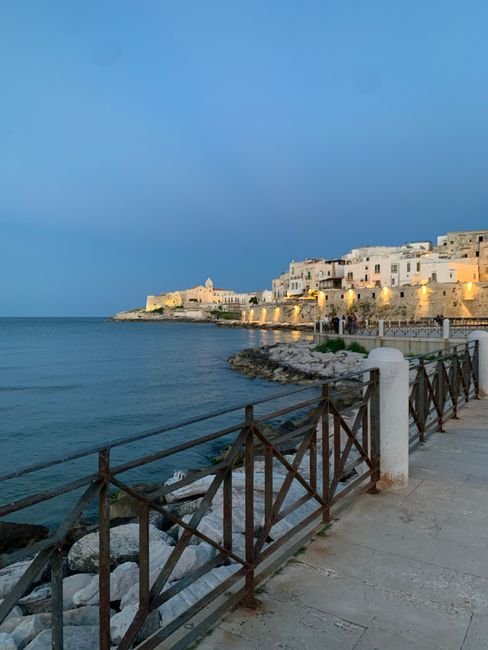
things to do in salerno range from exploring a handsome medieval old town to strolling beside the Tyrrhenian Sea. This southern Italian city is a rewarding base for history, local food, and trips along the Campania coast.
Salerno sits southeast of Naples, between the Amalfi Coast and the Cilento area. It has a working-city feel, so you will find everyday cafés and shops alongside historic sights. It is also a useful transport hub, with trains and seasonal ferries connecting the city to nearby destinations.
Give Salerno at least a full day if you can. Two or three days make it easier to enjoy the sights at a slower pace and leave time for a boat trip or a short excursion. The guide below covers what to see, how to get around, and a few practical details that can make your visit smoother.
20 Things to Do in Salerno
Tip 1 – Explore Salerno’s historic center
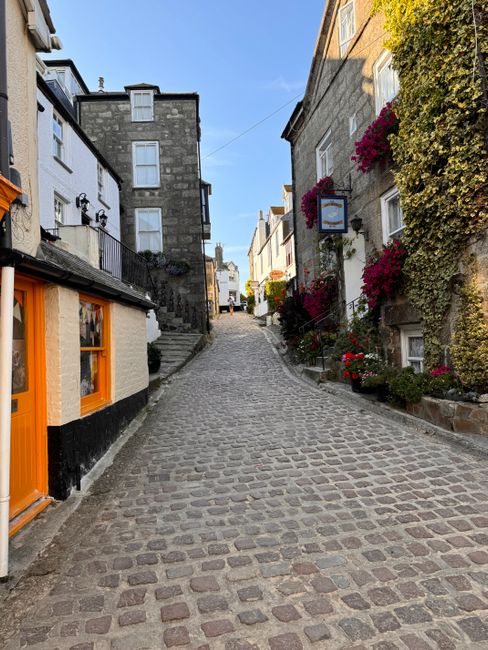
Start in the Centro Storico, where narrow lanes, small squares, old churches, and everyday shops make for an easy first walk. The area is compact, but its stone streets are uneven in places, so wear comfortable shoes.
Allow time to wander without a strict route. You will see more of the neighborhood by turning down side streets than by rushing from one landmark to the next.
Tip 2 – Visit Salerno Cathedral
Salerno Cathedral, also called the Duomo di San Matteo, is one of the city’s most important landmarks. Its courtyard and bronze doors lead into a richly decorated church, with a crypt associated with Saint Matthew.
Dress respectfully and check opening times before you go, as church access can change around services and holidays. A quiet visit is usually more rewarding than trying to fit it into a rushed sightseeing loop.
Tip 3 – Walk through the Garden of Minerva

The Garden of Minerva is a terraced botanical garden in the old town, known for its historic links to the Salerno medical school. Its paths climb the hillside, passing planted terraces and offering glimpses over the city.
There are steps and slopes, so it may be challenging for visitors with limited mobility. Check current opening hours and ticket details before setting out.
Tip 4 – See the city from Arechi Castle
Castello di Arechi stands high above Salerno and gives you a broad view of the Gulf of Salerno on a clear day. The castle’s history and hillside setting make it a worthwhile change from the waterfront and central streets.
Getting there takes more planning than walking between downtown sights. Check local bus information or arrange a taxi, and confirm the castle’s opening schedule before making the trip.
Tip 5 – Stroll along the Lungomare Trieste
The Lungomare Trieste is Salerno’s long seafront promenade. Locals use it for evening walks, and it is an easy place to slow down after sightseeing in the old town.
Go near sunset for softer light over the water, or visit earlier in the day for a quieter walk. The promenade is exposed to the sun, so bring water and sun protection in warm weather.
Tip 6 – Take a break at Santa Teresa Beach
Santa Teresa Beach is close to the center and convenient for a short rest by the sea. It is a small urban beach rather than a remote coastal escape, so expectations matter, especially on busy summer days.
Check local conditions before swimming and keep an eye on your belongings. For a longer beach day, look into nearby coastal areas and confirm transport options in advance.
Tip 7 – Browse the Villa Comunale

Villa Comunale is a leafy public garden near the seafront and a pleasant place to pause between attractions. Its paths, mature trees, and seasonal displays make it a relaxing stop, especially when the center feels hot or crowded.
Pair the garden with a walk along the Lungomare. It is an easy, low-cost addition to a day of things to do in Salerno.
Tip 8 – Visit the Provincial Pinacotheca
The Pinacoteca Provinciale di Salerno is a good choice for visitors interested in local art and regional history. Its collection includes works connected to the area, giving context to the city beyond its churches and coastline.
Allow extra time if you enjoy galleries, and check opening days before visiting. Museum schedules can vary by season and public holiday.
Tip 9 – Learn about the Salerno Medical School
Salerno is closely associated with the Schola Medica Salernitana, a historic center of learning. The city’s museums and historic sites help explain this legacy, which is part of what makes Salerno distinct from a simple seaside stop.
Look for local interpretation at the Garden of Minerva and in the historic center. A guided walk can help connect the story to the places you see.
Tip 10 – Taste Salerno’s local food

Try Campanian favorites such as pizza, fresh seafood, and pasta dishes made with local ingredients. Scialatielli with seafood is a familiar coastal choice, while a cuoppo is a paper cone of fried snacks that works well for a casual lunch.
For dessert, look for sfogliatella or delizia al limone. Menus and recipes vary between restaurants, so ask what is seasonal rather than expecting every dish to be available everywhere.
Tip 11 – Enjoy an evening aperitivo
Join the local evening rhythm with an aperitivo at a café or bar in the center. Order a drink and take your time before dinner, or sit outdoors and watch the streets grow livelier.
Prices can be higher at prominent waterfront spots, so compare menus before sitting down. If you are on a budget, cafés a few streets inland may offer better value.
Tip 12 – Take a ferry along the coast
When seasonal services are running, ferries from Salerno can be a scenic way to reach places along the Amalfi Coast. Routes, operators, and schedules change with the season and weather, so check the Travelmar ferry timetable and route information before planning your day.
Buy tickets early during busy periods and leave room for delays or a missed connection. A ferry is a memorable outing, but it may not be the fastest option for every destination.
Tip 13 – Make time for a day trip to Vietri sul Mare

Vietri sul Mare, just west of Salerno, is known for its colorful ceramics and coastal setting. Browse ceramic shops, walk through the town, and enjoy a meal with a view if time allows.
It is close enough for a half-day visit, but check transport schedules and return options before leaving Salerno. If you are planning several city breaks, our guide to 20 Fun and Best things to do in white plains offers another urban itinerary to compare.
Tip 14 – Use Salerno as a base for the Amalfi Coast
Salerno can be a practical base for visiting Amalfi Coast towns, particularly if you prefer a larger transport hub and a city atmosphere. Ferries and buses may connect the city with coastal destinations, but availability depends on the season.
Check the return journey before you go, especially outside summer. Do not assume that the final boat or bus will run late into the evening.
Tip 15 – Explore the city’s local markets and shops
Look for neighborhood food shops, bakeries, and market stalls to get a sense of daily life in Salerno. These are useful stops for fruit, snacks, and picnic supplies as well as a chance to see products from Campania.
Opening hours can be shorter on Sundays and holidays. If you have a specific market in mind, confirm its schedule locally rather than relying on an old online listing.
Tip 16 – Travel by train for regional outings
Salerno’s railway station makes it convenient to travel to Naples and other destinations in the region. For schedules and tickets, use the official Trenitalia website or its app, and check the station and train type listed on your ticket.
Buy tickets ahead when a particular departure matters. For regional trains, follow the ticket validation instructions shown on the ticket or app, as requirements can differ by ticket type.
Tip 17 – Plan around the season and weather
Spring and early autumn are often comfortable for walking, while summer brings hotter days and more visitors. Winter is quieter, but some coastal transport and attractions may have reduced schedules.
Check the forecast and current opening times close to your trip. If visiting during Salerno’s well-known holiday light displays, expect busy streets and book accommodation early.
Tip 18 – Get around on foot, by bus, and by taxi
The center and seafront are walkable, but hills and stairs can make some routes tiring. Local buses can help with longer distances, while taxis are useful for reaching places such as Arechi Castle or traveling with luggage.
Use a map app to check walking routes, but confirm bus details through current local information. Keep some extra time for traffic, especially during peak holiday periods.
Tip 19 – Pack for steep lanes and changing conditions
Bring comfortable walking shoes with grip for uneven paving and hillside paths. In summer, pack water, sunscreen, and a hat. For cooler months or a breezy ferry ride, a light layer is useful even when the day begins warm.
Carry a small day bag and keep valuables secure in crowded areas. If you plan to visit churches, pack clothing that allows you to dress respectfully.
Tip 20 – Avoid the most common planning mistake
A common mistake is treating Salerno only as a quick stop before the Amalfi Coast. That can mean missing the historic center, cathedral, garden, and relaxed seafront that give the city its own character.
Set aside time to explore Salerno itself, and do not build a day around tight ferry connections. Schedules can change with weather and season, so keep a flexible plan and check return transport before setting off.
Visa & Entry Requirements
Salerno is in Italy, which is part of the Schengen Area. Entry requirements are not the same for every visitor. Visa rules, passport validity, permitted length of stay, and any required travel authorization depend on the passport you hold and the government policies in force when you travel.
Before booking, check the Italian Ministry of Foreign Affairs’ official visa information portal. It provides guidance based on nationality, purpose of travel, and length of stay. Confirm your personal requirements with the relevant Italian embassy or consulate if anything is unclear. Do not rely only on airline advice or a third-party summary.
Check that your passport is valid for the full trip and meets any additional validity rules that apply to your situation. Make sure it has enough blank pages if required for your route. If a visa or electronic travel authorization applies to your passport, apply through the official channel and allow time for processing. Authorization systems and their start dates can change, so confirm whether one is required for your travel dates.
Border officials may ask about your return or onward travel, accommodation, and the purpose of your visit. Keep copies of relevant reservations and travel insurance details accessible. Requirements for insurance or supporting documents can depend on the visa category and your circumstances, so verify them before departure.
Vaccination and public-health rules may also change. Check official Italian government guidance and any transit-country rules before traveling. Customs rules apply to items brought into Italy, including goods carried from outside the European Union; check official customs guidance if you are bringing restricted, valuable, or commercial items. Declare goods when required. These checks are practical travel guidance, not legal advice, and final decisions rest with the relevant authorities.
Quick Reference for Visiting Salerno
| Plan | Useful details |
|---|---|
| Good visit length | One full day for central sights, two or three days for a slower visit and an outing |
| Best for | Historic streets, coastal views, local food, and regional transport connections |
| Getting around | Walk in the center, use local buses or taxis for longer and uphill trips |
| Useful booking check | Confirm ferry schedules, attraction hours, and return transport before travel |
| Pack | Comfortable shoes, sun protection in warm weather, and a light layer for breezy evenings |
| Emergency number | Call 112 for emergencies in Italy |
Practical Travel Advice for Salerno
Local customs and useful phrases
A friendly buongiorno (good morning) or buonasera (good evening) is appreciated when entering a shop or restaurant. Use per favore for please and grazie for thank you. Ask before photographing people, and keep your voice low in churches and other places of worship.
Meal times may differ from those at home, and some smaller businesses close during the afternoon or on particular days. Check opening hours before making a special trip.
Safety and emergency help
Salerno is a busy regional city, so take normal precautions in crowded streets, at the station, and on public transport. Keep your phone and wallet secure, avoid leaving bags unattended, and use licensed taxis or trusted ride arrangements.
For an emergency in Italy, call 112. Save your accommodation address and the contact details of your travel insurer. For non-urgent help, ask your accommodation host or the relevant local authority for current advice.
Useful apps and advance bookings
A reliable map app can help with walking routes and locating restaurants, while the Trenitalia website or app is useful for rail information. Check ferry operator updates directly for coastal travel, as weather and seasonal timetables can affect departures.
Book accommodation early for peak summer dates and major local events. For popular restaurants, guided tours, and ferry trips, reserving ahead can help, but leave flexibility in your schedule for weather changes.
Frequently Asked Questions About Things to Do in Salerno
Is Salerno worth visiting?
Yes. Salerno has a historic center, a notable cathedral, a seafront promenade, local food, and convenient connections to other parts of Campania. It also offers a more everyday city atmosphere than some nearby coastal destinations.
How many days should I spend in Salerno?
One full day is enough to see several central sights at a comfortable pace. Two or three days give you time for the Garden of Minerva, museums, a relaxed food stop, and a coastal or nearby-town excursion.
What are the best free things to do in Salerno?
Walk through the historic center, stroll the Lungomare Trieste, spend time in Villa Comunale, and visit Santa Teresa Beach. Check access details before you go, as some attractions and gardens may charge admission or have restricted hours.
Can you visit the Amalfi Coast from Salerno?
Yes. Salerno is a useful starting point for visiting parts of the Amalfi Coast by ferry or bus, depending on the season and current service. Check schedules and return options before setting out, especially in quieter months.
What food should I try in Salerno?
Look for seafood, pizza, scialatielli, and casual fried snacks such as a cuoppo. Local bakeries are also a good place to try sfogliatella or other regional pastries.
Is Salerno easy to explore without a car?
The central sights are mostly walkable, and trains, buses, ferries, and taxis can help with longer trips. A car is not necessary for a city visit, and driving can be inconvenient on busy or narrow roads.
Conclusion: Make Time for the Best Things to Do in Salerno
The best things to do in Salerno combine historic landmarks, sea views, neighborhood walks, and meals rooted in Campanian traditions. Start with the old town and cathedral, then add the Garden of Minerva, the seafront, and a meal featuring local ingredients.
Salerno also works well as a base for exploring nearby coastal towns, but check transport schedules and leave room for changes. With comfortable shoes, a flexible itinerary, and time to enjoy the city at a relaxed pace, you can make your visit rewarding beyond a quick stop on the way elsewhere.
1 thought on “20 Fun and Best things to do in salerno”