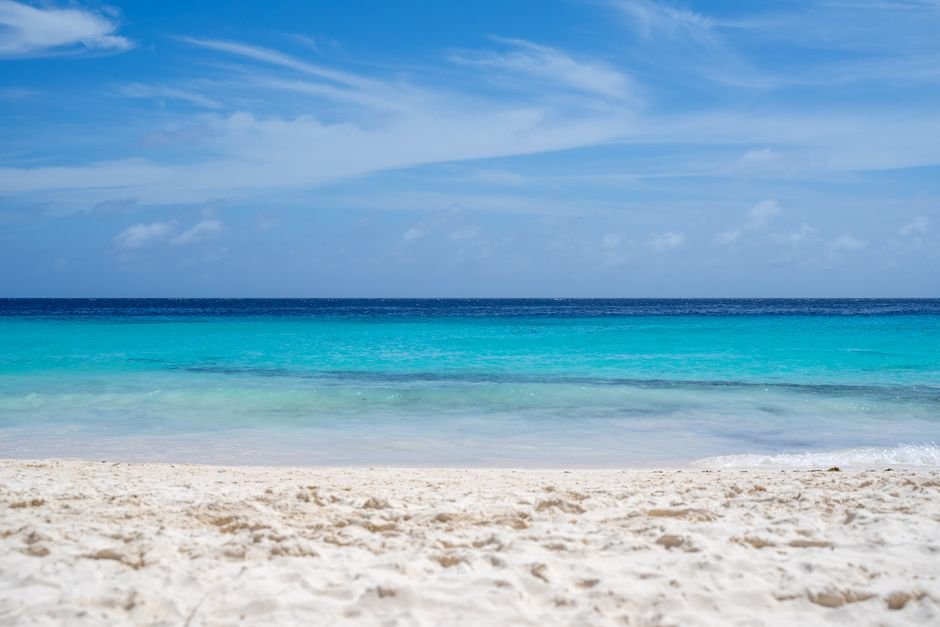
top things to do in aruba include relaxing on white-sand beaches, exploring the island’s rugged interior, and getting to know Oranjestad, its colorful capital.
Aruba is a small Caribbean island and an autonomous country within the Kingdom of the Netherlands. Its sunny, dry climate and mix of Dutch, Caribbean, and Latin American influences make it easy to enjoy, but the best experiences are spread across the island.
This guide to the top things to do in aruba covers beaches, nature, food, local transport, and practical planning. Whether you are visiting for a long weekend or a full week, a little preparation will help you balance beach time with island adventures.
Quick Guide to the Top Things to Do in Aruba
| What to know | Helpful details |
|---|---|
| Best for | Beaches, snorkeling, watersports, desert scenery, and relaxed dining |
| Where to stay | Palm Beach for resorts and nightlife, Eagle Beach for a quieter coastal stay, or Oranjestad for shopping and local culture |
| Getting around | Use buses around the main hotel areas, taxis for direct trips, or a rental car to explore the whole island |
| Best time to visit | Aruba is warm year-round. December to April is popular and often busier, while summer and early fall can be quieter |
| What to pack | Sun protection, swimwear, comfortable walking shoes, and a light layer for air-conditioned spaces |
Top Things to Do in Aruba
Tip 1 – Spend a day at Eagle Beach

Eagle Beach is one of Aruba’s most famous stretches of sand, with plenty of room to swim, sunbathe, or simply enjoy the view. It is generally less crowded than Palm Beach, although popular sections can still fill up during peak travel months.
Bring water and sun protection, and check whether your chosen spot has shade or facilities nearby. Beach conditions can change, so follow posted signs and local guidance before swimming.
Tip 2 – Enjoy the resort atmosphere at Palm Beach
Palm Beach is the island’s main resort strip, with hotels, restaurants, beach bars, watersports, and shops close together. It is a convenient choice if you want an easy day with plenty of facilities and entertainment.
The trade-off is that this area can feel busier and more built-up than other beaches. Walk along the shore to find a quieter patch, or visit early in the day before the beach clubs become active.
Tip 3 – Explore Arikok National Park

Arikok National Park protects a large part of Aruba’s dry, rocky landscape. You can see cactus-covered hills, coastal viewpoints, native plants, and historic sites. The park’s official visitor information is useful for checking access, activities, and current conditions.
Some routes are rough and exposed to the sun. Wear sturdy shoes, carry water, and consider a guided tour or suitable four-wheel-drive vehicle for harder-to-reach areas. Do not leave marked trails or enter closed sections.
Tip 4 – Visit the Natural Pool with a plan
Conchi, often called the Natural Pool, is a rocky swimming spot inside Arikok National Park. Waves break against the surrounding rocks, creating a striking place to look at and, when conditions allow, swim in.
Access is not straightforward, and the route can be challenging. Go with an experienced local guide or an appropriate vehicle, check conditions first, and never enter the water when waves are rough. This is not a good place to visit in a regular rental car without confirming access rules.
Tip 5 – See the California Lighthouse
The California Lighthouse stands on the island’s northwestern tip and offers wide views across Aruba’s coast. It is an easy stop to pair with nearby beaches or a drive through the northern part of the island.
Sunset is a popular time to visit, so allow extra time for parking and expect company. Bring a light layer if you plan to stay after the sun goes down, as the open coast can feel breezy.
Tip 6 – Walk around Oranjestad
Oranjestad is a good place to see Aruba’s pastel-colored Dutch-Caribbean architecture, browse local shops, and visit museums. Take a slow walk through the central streets, then stop for a coffee or lunch away from the beach resort strip.
Some shops and attractions have different opening hours on cruise-ship days and public holidays. If you have a specific museum or store in mind, check its schedule before making a special trip.
Tip 7 – Snorkel at Mangel Halto

Mangel Halto is known for clear water and mangroves, and it is a popular spot for snorkeling. Conditions vary with wind, tide, and wave activity, so ask locally about the safest place to enter the water on the day.
Wear reef-safe sun protection where available, avoid standing on coral, and keep a respectful distance from marine life. Bring your own mask if you prefer a particular fit, as rental availability can vary.
Tip 8 – Take a short trip to Baby Beach
Baby Beach sits at the southeastern end of Aruba and is known for its shallow, curved lagoon. It can suit families and less confident swimmers when conditions are calm, though the water is not automatically safe in every part of the bay.
The drive takes you away from the main resort area, so bring snacks, water, and anything else you may need for the day. Pay attention to signs and local advice, especially around the outer edge of the lagoon.
Tip 9 – Try local Aruban food
Make time for dishes such as keshi yena, a baked cheese dish with a savory filling, and pastechi, a pastry often eaten as a snack. Menus also commonly feature fresh seafood and Caribbean-inspired sides.
For a more local feel, look beyond the large hotel restaurants and ask your host or driver for a neighborhood lunch spot. If you have allergies or dietary needs, explain them clearly when ordering, as dishes and ingredients vary by restaurant.
Tip 10 – Visit Alto Vista Chapel
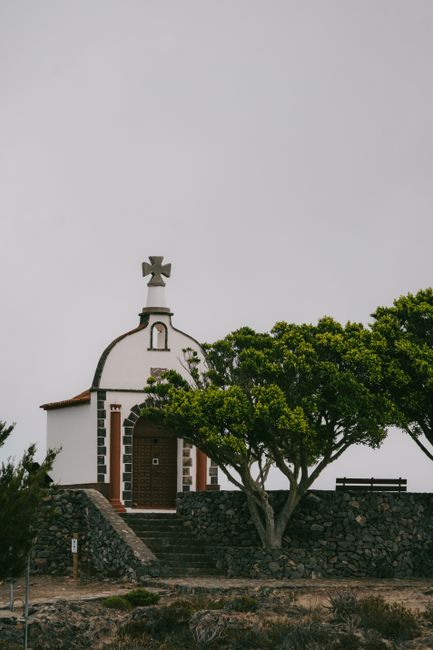
Alto Vista Chapel is a small, peaceful landmark set in the island’s northern countryside. The chapel and its open surroundings make a calm stop on a drive between the California Lighthouse and other northern sights.
Dress respectfully if you go inside, and keep noise low if people are praying. The site is exposed, so a hat and water are helpful even if you are only staying for a short visit.
Tip 11 – Choose a sailing or sunset cruise
Boat trips are a relaxing way to see Aruba’s coastline, swim, and enjoy the light on the water. Options range from small sailing outings to larger catamaran cruises, and many include snorkel stops.
Compare what is included before booking, such as transport, food, drinks, and equipment. If you are prone to motion sickness, choose a calmer time of day and bring any medication you normally use.
Tip 12 – Spend time in San Nicolas
San Nicolas, in the island’s southeast, has a distinct local character and colorful street art. It offers a different pace from the hotel areas and is a worthwhile stop when visiting Baby Beach or exploring the southern side of Aruba.
Visit during daytime, support local cafes or shops, and check current opening hours if you hope to see a particular gallery or attraction. A car or taxi makes this area easier to explore.
Tip 13 – Try a guided island tour

A guided tour can connect several sights in one day, including the lighthouse, natural rock formations, historic stops, and sections of Arikok National Park. It is a practical option if you do not want to drive or are unsure about rough roads.
Ask what the tour includes and how much time you will spend at each stop. Small-group tours may offer a more flexible pace, while larger excursions can be better value for travelers on a budget.
Tip 14 – See the island’s rock formations
Aruba’s landscape is not only beaches. The Casibari and Ayo rock formations are memorable natural landmarks, with boulders and short paths that give you a closer look at the island’s dry interior.
Some sections involve uneven steps and exposed rock. Wear shoes with a good grip, take care in the heat, and avoid climbing where signs or barriers indicate that access is restricted.
Tip 15 – Find a low-cost beach day
Many of Aruba’s beaches are free to visit, making them an easy way to keep costs down. Pack a reusable water bottle, snacks, and a towel, and use public transport where practical rather than booking a beach club every day.
Free public access does not always mean there are facilities at every beach. Check whether bathrooms, shade, food, and parking are available before setting off, especially if you are traveling with children.
Tip 16 – Use local buses for the main hotel corridor
Arubus connects Oranjestad with popular areas such as Palm Beach and San Nicolas. Buses are useful for some routes, but they do not reach every attraction or run with the same frequency at all times.
Check the Arubus website for route and service information before relying on a bus for a time-sensitive trip. For remote sights or a flexible day, compare the cost of a taxi, tour, or rental car.
Tip 17 – Decide whether to rent a car
A rental car makes it easier to visit Baby Beach, San Nicolas, and other places beyond the main resort corridor. It can be especially useful if you want to stop at several sights in one day.
For a beach-focused stay, you may not need one for the whole trip. Compare rental prices, insurance terms, parking, and the type of vehicle you need. Some rough park roads require a suitable vehicle, and a standard car is not appropriate for every route.
Tip 18 – Plan for Aruba’s sun and wind
Aruba is sunny and breezy for much of the year. The wind can make the heat feel less intense, so it is easy to underestimate how quickly you can get sunburned or dehydrated.
Use sunscreen, a hat, sunglasses, and light clothing, and drink water throughout the day. Pack a light layer for air-conditioned restaurants and evening breezes. The island is outside the main hurricane belt, but weather can still affect boat trips and sea conditions.
Tip 19 – Learn a few local phrases and customs
Papiamento is widely spoken in Aruba, alongside Dutch, English, and Spanish. A friendly “bon dia” means good morning, while “danki” means thank you. A simple greeting can make everyday interactions warmer.
Aruba is generally relaxed, but be considerate at churches, residential areas, and natural sites. Ask before photographing people, follow beach and park rules, and avoid taking shells, coral, or other natural items as souvenirs.
Tip 20 – Book key activities early and avoid a common mistake
Reserve popular boat trips, guided park visits, and special dining experiences ahead of time during busy travel periods. Keep some open time in your schedule, since beach conditions and weather can affect outdoor plans.
A common tourist mistake is trying to see the entire island in one rushed day, or assuming every road is suitable for a regular car. Group nearby sights together, check access before driving, and leave time to enjoy the places you came to see.
Visa & Entry Requirements
Aruba is a country within the Kingdom of the Netherlands, and its entry rules depend on the traveler’s passport and current government policy. Visa exemptions, permitted stay lengths, and application processes can differ by nationality. Do not assume that a rule shared by another traveler applies to you.
Before booking, check the latest requirements through the Aruba Department of Integration and Management and Admission of Foreigners and the official Aruba ED Card website. Travelers who need a visa should also consult the relevant Aruba or Netherlands embassy or consular office for instructions that apply to their passport.
Check how much passport validity is required beyond your travel dates and whether you need blank pages. Confirm whether you need a visa or electronic authorization, and complete any required online traveler form within the stated time frame. Requirements can change, so recheck them close to departure.
Officials may ask about your return or onward travel, accommodation, and ability to support your stay. Keep copies of your hotel booking and travel details accessible. Travel insurance is a sensible precaution for medical care, trip interruption, or activities, even when it is not a specific entry requirement.
Vaccination rules, customs declarations, and the maximum length of stay can also depend on your circumstances and current policy. Check any health requirements with official sources and declare goods when required. If you plan to stay longer than the period normally permitted, confirm the extension process with Aruba’s immigration authorities before your authorized stay ends. This is general travel guidance, not legal advice, and final decisions rest with the relevant authorities.
Frequently Asked Questions
What are the top things to do in aruba for a first-time visitor?
Start with a beach day at Eagle Beach or Palm Beach, visit Oranjestad, and set aside time for Arikok National Park. Add a local food experience and a snorkeling or sailing trip if your schedule allows.
How many days should I spend in Aruba?
Four to seven days is a comfortable amount of time for many visitors. A shorter trip can cover the main beaches and a few attractions, while a week gives you more room to explore San Nicolas, the national park, and the island’s quieter corners.
What is the best area to stay in Aruba?
Palm Beach is convenient for resorts, restaurants, and nightlife. Eagle Beach is a good choice for a quieter coastal setting, while Oranjestad works well for travelers who want shops, museums, and city access.
Is Aruba good for families?
Yes. Aruba has family-friendly beaches, boat trips, and easy resort facilities. Choose swimming spots based on the day’s conditions, supervise children near the water, and bring sun protection because shade can be limited.
Can I get around Aruba without renting a car?
Yes, particularly if you stay near Palm Beach or Oranjestad and focus on the main resort area. Buses and taxis cover many popular trips, but a rental car or guided tour is more convenient for reaching remote sights and the southeastern coast.
When is the best time to visit Aruba?
Aruba is a year-round destination. December through April is popular and often busier, while other months can offer a quieter feel. Check accommodation prices and weather forecasts for your dates, and remember that sea conditions can vary at any time of year.
Is Aruba expensive for visitors?
It can be, especially if you stay at a resort and eat out for every meal. To manage costs, choose accommodation with a kitchen, use public buses when practical, enjoy public beaches, and mix restaurant meals with casual local food.
Conclusion
The top things to do in aruba range from relaxing on Eagle Beach to exploring the rocky interior of Arikok National Park. Add a walk through Oranjestad, a meal of local food, and time in San Nicolas to get a better sense of the island beyond its resorts.
Plan your transport around the places you want to see, check conditions before swimming or heading onto rough roads, and leave room for unhurried beach time. With a little preparation, Aruba is easy to enjoy at your own pace.
If Aruba is one stop on a longer trip, you may also like this guide to 20 Fun and Best things to do in salerno.
1 thought on “20 Fun and Best top things to do in aruba”