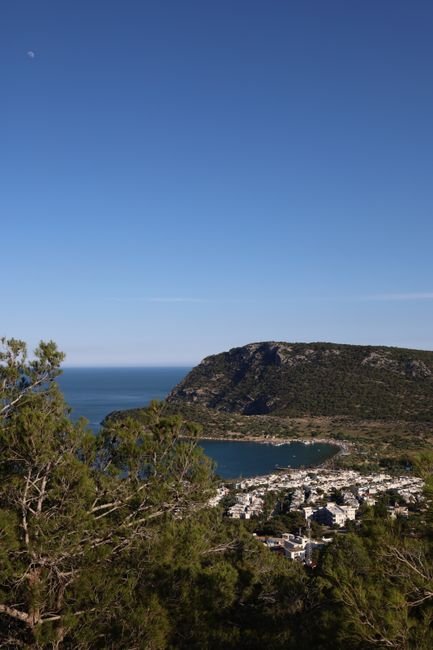
things to do in ravello include visiting historic villas, admiring Amalfi Coast views, and walking quiet lanes above the sea. This hilltop town in Campania, southern Italy, offers a calmer pace than the coast below, with gardens, music, and plenty of places to pause for a long lunch.
Ravello is small enough to explore on foot, but steep paths and steps are part of the experience. Give yourself time to enjoy the views rather than trying to fit every attraction into a quick stop.
This guide covers the best sights, local experiences, food, transport, and practical details for a first visit. If you are planning a different kind of city break too, you can also browse this guide to 20 Fun and Best things to do in moline il.
Quick Reference for Visiting Ravello
| Travel detail | What to know |
|---|---|
| Country and region | Italy, Campania |
| Best for | Villa gardens, views, historic lanes, music, and relaxed meals |
| How long to stay | Allow at least one full day; two nights give you a slower visit |
| Getting around | Walk in town; use buses, taxis, or a private transfer for the coast and nearby towns |
| Good to pack | Comfortable walking shoes, sun protection, and a light layer for evenings |
| Popular sights | Villa Rufolo, Villa Cimbrone, Piazza Duomo, and the Belvedere of Villa Cimbrone |
20 Best Things to Do in Ravello
Tip 1 – Visit the gardens and historic rooms at Villa Rufolo

Villa Rufolo is one of Ravello’s best-known landmarks. Its garden terraces, medieval architecture, and views across the coast make it a rewarding first stop. Allow time to wander instead of moving straight from the entrance to the viewpoints.
Opening hours and admission arrangements can change by season. Check the Villa Rufolo official website before you go, especially if you are visiting for a concert or during a busy holiday period.
Tip 2 – Walk to the Belvedere of Villa Cimbrone
The Terrace of Infinity at Villa Cimbrone is famous for its row of marble busts and broad coastal outlook. The route from the town center takes you through lanes and gardens, and the villa grounds have more to see than just the terrace.
Wear shoes with a good grip, as the walk includes uneven paving and steps. Check current garden access and ticket details on the Villa Cimbrone gardens website.
Tip 3 – Take your time in Piazza Duomo

Piazza Duomo is Ravello’s central square and a natural place to pause between sights. Sit at a café, notice the cathedral façade, and watch the square shift from a quiet morning meeting point to a livelier place later in the day.
Prices at the tables directly on the square may be higher than at cafés on nearby streets. If you want a quick coffee, check the menu before sitting down.
Tip 4 – Step inside Ravello Cathedral
Ravello Cathedral, also known as the Duomo di Ravello, stands on Piazza Duomo. Its simple exterior and historic interior offer a quieter change of pace from the gardens and viewpoints. Dress respectfully, and check whether services or special events affect visitor access.
Look for the cathedral’s pulpit and decorative details, but keep in mind that it remains a place of worship. Keep voices low and follow any notices at the entrance.
Tip 5 – Explore Ravello’s lanes on foot
Some of the most enjoyable things to do in Ravello are as simple as turning down a side street. Narrow passages, stairways, small courtyards, and glimpses of the sea make a slow walk part of the attraction.
Wear comfortable shoes and expect slopes. If you are carrying luggage or have limited mobility, ask your accommodation about its location and access before booking, as not every property is close to a road or level path.
Tip 6 – Look for a view beyond the main terraces
Ravello’s location high above the Amalfi Coast means that glimpses of the sea appear from many corners. Pause at public viewpoints and along open sections of the town’s lanes, rather than relying only on the famous garden terraces.
Stay on marked paths and away from walls or private gardens. A viewpoint may look close on a map but involve steep steps or a longer walk than expected.
Tip 7 – Check the Ravello Festival programme

Ravello has a strong connection with music, and the Ravello Festival brings performances to the town, often in distinctive settings. Dates, venues, and the programme vary, so check the schedule before planning your visit around a particular concert.
Popular performances can sell out, and evening events may mean arranging your return transport in advance. If music is a priority, book accommodation early and confirm how you will get back after the event.
Tip 8 – Make a short walk part of your visit
Walking routes around Ravello can lead through gardens, stairways, and neighboring hamlets. Ask locally about the current condition and difficulty of a route before setting out, particularly after rain or in the heat of summer.
Carry water, use sun protection, and avoid setting off late in the day without checking how long the return walk takes. Some routes include steep sections and are not suitable for every visitor.
Tip 9 – Try a long lunch with Campanian flavors
Make time for a meal featuring local ingredients such as lemons, seasonal vegetables, seafood, and pasta. Restaurant menus change with the season, and a set lunch can be a useful way to enjoy a relaxed meal without ordering several courses.
Ask about the day’s dishes and check the menu prices before you sit down. If you have food allergies or dietary needs, explain them clearly when booking and again to your server.
Tip 10 – Taste local desserts and lemon specialties

Ravello’s cafés and restaurants often feature desserts and drinks made with the region’s lemons. Try a local pastry with coffee, or ask whether a lemon dessert is prepared in-house. Menus and specialties vary from one business to another.
Alcoholic lemon liqueurs are common in the wider region, but they are not the same as fresh juice or lemonade. Ask what is in a drink if you are avoiding alcohol or have dietary concerns.
Tip 11 – Browse small shops for locally made goods
Ravello’s compact center has small shops selling ceramics, gifts, and regional products. Take time to look around, compare prices, and ask where an item was made if local production matters to you.
Fragile purchases can be difficult to carry on buses or flights, so ask the shop about suitable packing and shipping options before buying larger pieces.
Tip 12 – Plan a quiet hour between attractions
Ravello rewards a less hurried itinerary. Sit in a shaded square, read on a terrace, or enjoy a drink after visiting a garden. This pause can be especially welcome during hot months, when walking between steep lanes takes more energy.
For a calmer visit, go to popular viewpoints earlier in the day or later in the afternoon, while checking attraction closing times. Midday can bring stronger sun and more day visitors.
Tip 13 – Use Ravello as a base for nearby coastal towns

Ravello sits above the coast, making it a possible base for visiting Amalfi, Atrani, or other nearby towns. The trade-off is that reaching the waterfront usually means arranging a bus, taxi, or transfer and allowing time for the winding road.
Check the SITA Sud bus operator website for current routes and service information. Timetables can vary by season, and buses may be crowded during peak periods.
Tip 14 – Choose the right season for your travel style
Spring and early autumn are often comfortable times for walking and sightseeing, while summer brings longer days and a busier coast. Winter can be quieter, but some businesses and visitor services may have reduced hours or seasonal closures.
Before booking, check the opening dates for the places you most want to see. If you are visiting for a festival or a holiday weekend, reserve accommodation and key experiences well ahead.
Tip 15 – Make the most of a family visit
Families can enjoy the gardens, open viewpoints, and short walks between the main sights. Build in breaks and choose a manageable route, since steep lanes and stairs can be tiring for young children and challenging with strollers.
Bring water and snacks for the journey, and check whether your chosen restaurant can accommodate children. If you are traveling with a stroller, ask your accommodation about steps and access from the nearest road.
Tip 16 – Keep costs manageable
Ravello can be an expensive stop, particularly in peak season. Save by comparing accommodation outside the busiest dates, using buses where practical, and choosing a mix of paid gardens and free walks through the town.
Look at attraction prices and restaurant menus before committing. A picnic can be a pleasant option for a daytime break, but use public seating respectfully and take all rubbish with you.
Tip 17 – Book important details in advance
Book your stay early for summer, festival dates, and public holidays. It is also sensible to reserve a table for a special dinner or check ticket arrangements for a performance before traveling.
Do not assume that every attraction needs advance booking. Confirm directly with the venue, and keep some flexibility in case weather, transport, or opening hours change.
Tip 18 – Get around with realistic travel times
Ravello itself is best explored on foot, but its hillside position makes journeys to the coast slower than the short distance on a map may suggest. Roads are winding, and traffic can delay buses and cars in busy months.
Use a map app for walking directions, but check transport schedules with the operator. If you arrive with heavy bags, arrange a transfer or ask your accommodation about the closest drop-off point.
Tip 19 – Know basic safety and emergency information
Ravello is generally a relaxed place to visit, but normal travel care still matters. Watch your footing on steps and uneven paving, keep valuables secure in crowded areas, and avoid walking close to unprotected edges for a photograph.
In Italy, call 112 for emergencies. Save your accommodation address and keep your phone charged. At night, use well-lit routes and arrange a ride if you are unsure about a steep or unfamiliar walk.
Tip 20 – Learn a few Italian phrases and avoid the common mistake
A few simple phrases can make daily interactions easier: “Buongiorno” means good morning or good day, “Per favore” means please, and “Grazie” means thank you. A translation app can help with menus and basic questions, but download language access for offline use if you expect limited mobile service.
The most common mistake is treating Ravello as a quick viewpoint stop. Travel time up and down the hill, garden visits, and a meal can take longer than expected. Stay overnight if you can, or leave enough time to enjoy the town without rushing back to the coast.
Practical Travel Advice for Ravello
Best time to visit Ravello
For comfortable walks and garden visits, consider spring or early autumn. Summer has a lively atmosphere and long daylight hours, but it can also be hot, busy, and more expensive. Winter is quieter, though seasonal opening hours may limit your choices.
Check weather forecasts before setting out on a walk and confirm attraction hours close to your travel date. The best time for you depends on whether you prefer quieter streets, warm weather, or a fuller events calendar.
Getting to Ravello and local transport
Ravello is reached by road from the Amalfi Coast and nearby transport hubs. Many visitors travel via Salerno or Amalfi and continue by bus, taxi, or pre-arranged transfer. There is no train station in Ravello, and the final road journey can take longer in busy traffic.
Check bus routes and timetables before leaving your starting point, and allow extra time during summer. If you are arriving late or carrying luggage, confirm transfer options with your accommodation in advance.
What to pack
- Comfortable walking shoes with good grip for slopes, steps, and uneven paving.
- A refillable water bottle, sun hat, sunscreen, and sunglasses for warm days.
- A light layer for cooler evenings or changing weather.
- Any medication you need, plus a small personal first-aid kit.
- A phone charger or power bank for maps, tickets, and transport updates.
Local customs and useful apps
Greet shopkeepers and restaurant staff politely, and dress respectfully when entering religious sites. Some restaurants keep their own opening hours, so check ahead rather than assuming a kitchen will be open all afternoon.
A maps app, a translation app, and the transport operator’s website can make planning easier. Download maps or useful language information before you travel in case your mobile connection is unreliable.
Visa & Entry Requirements
Ravello is in Italy, which is part of the Schengen Area. Entry rules depend on the passport you hold, your reason for travel, your planned length of stay, and current Italian and Schengen government policy. A rule that applies to one traveler may not apply to another, so do not rely on advice written for a different nationality.
Before departure, check whether you need a visa or an electronic travel authorization, and confirm the permitted length of stay for your circumstances. Use the Italian Ministry of Foreign Affairs’ official visa information service and, where needed, the Italian embassy or consulate responsible for your place of residence. Requirements and procedures can change.
Check your passport’s expiry date and condition well before booking. Some travelers may need a passport that remains valid for a specified period after leaving the Schengen Area, and some may need one or more blank pages. Confirm the exact rules that apply to your passport rather than assuming a single validity standard.
Depending on your circumstances, you may be asked to show return or onward travel, proof of accommodation, or evidence that you can support yourself during the visit. Travel insurance is a sensible precaution; whether it is required can depend on the visa category and applicable rules. Verify this with official sources before applying or traveling.
Vaccination requirements, customs allowances, and declarations also depend on your route, goods, and current policy. Check the relevant official Italian and EU guidance before carrying food, medicines, high-value items, or restricted goods across a border. Follow any arrival instructions given by border officials, and keep important booking details accessible. This is practical travel information, not legal advice, and only the relevant authorities can confirm the requirements for your case.
Frequently Asked Questions About Things to Do in Ravello
Is Ravello worth visiting?
Yes, especially if you enjoy historic gardens, scenic views, music, and a quieter atmosphere above the coast. It is less suited to travelers who want to spend most of their time on a beach or avoid hills and steps.
How many days should I spend in Ravello?
One full day is enough to visit the main gardens and explore the center at a reasonable pace. Staying one or two nights gives you more time for a walk, a relaxed meal, and the town’s quieter morning or evening hours.
Can I visit Ravello as a day trip?
Yes. A day trip can cover Piazza Duomo, Villa Rufolo, and Villa Cimbrone, but allow extra time for the road journey and any bus connections. A late return can be harder to arrange, so check transport schedules before you set off.
Is Ravello walkable?
The town center and main sights are walkable, but the routes include slopes, steps, and uneven surfaces. Comfortable shoes are important, and the layout may be difficult for visitors with limited mobility or anyone traveling with a stroller.
What are the best things to do in Ravello for free?
Walk through the town’s lanes, enjoy the public atmosphere of Piazza Duomo, and look for open public viewpoints. The gardens and some historic attractions charge admission, so check current prices if you are planning a low-cost visit.
Do I need a car in Ravello?
Not usually for visiting the town itself. Parking and narrow coastal roads can make driving inconvenient, while buses and pre-arranged transfers connect Ravello with nearby places. A car may be useful for a wider regional itinerary, but check parking and road conditions first.
What should I not miss in Ravello?
Villa Rufolo, Villa Cimbrone, and Piazza Duomo are the classic highlights. Leave time for the small lanes and a meal, too. The best things to do in Ravello are not all formal attractions, and the town’s slower pace is part of its appeal.
Conclusion
Ravello is a rewarding stop for travelers who want gardens, history, and beautiful views with a slower rhythm than the coast below. Start with Villa Rufolo and Villa Cimbrone, then leave room for a walk, a local meal, and time in Piazza Duomo.
Plan around the hills, seasonal opening hours, and road travel, and check transport details before you go. With a little extra time, the best things to do in Ravello become more than a list of sights: they add up to an easygoing visit to one of Campania’s most memorable hill towns.
1 thought on “20 Fun and Best things to do in ravello”