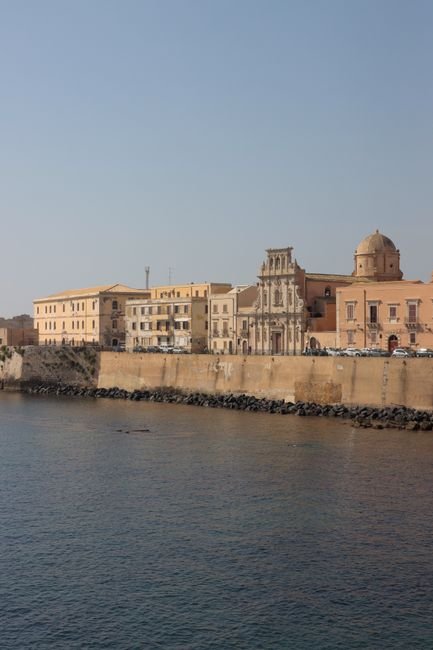
things to do in cefalu range from exploring a Norman cathedral to swimming beside the old town, all in a small seaside city in Sicily, Italy. Cefalù is easy to enjoy at a relaxed pace, with historic lanes, a sandy beach, and dramatic views from La Rocca.
This guide covers the best attractions, local food, practical transport tips, and simple ways to plan your visit. Whether you have a few hours or several days, you can mix sightseeing with time by the sea.
Most of the historic centre is walkable, but expect stone paving, steps, and busy lanes in summer. If you are planning a wider Italian coastal trip, you can also compare your plans with these 20 Fun and Best things to do in ravello.
20 Best Things to Do in Cefalu
Use this quick guide to choose activities based on your time and interests. Opening hours and access can change by season, so check local information before setting out.
| Experience | Best for | Practical note |
|---|---|---|
| Cefalù Cathedral | History and architecture | Check visiting hours and dress respectfully |
| La Rocca | Views and hiking | Wear shoes with grip and carry water |
| Old town and medieval washhouse | Easy sightseeing | Go early for quieter lanes |
| Cefalù beach and seafront | Swimming and sunsets | Bring sun protection in summer |
| Museo Mandralisca | Art and local history | Allow time for the collection and exhibits |
Tip 1 – Visit Cefalù Cathedral

Cefalù Cathedral, or the Duomo di Cefalù, is the city’s most famous landmark. Its twin towers overlook the main square, and the interior is known for its Byzantine mosaics, including a striking image of Christ Pantocrator.
Allow time to look around the square and nearby streets as well as the cathedral itself. Visiting arrangements can vary, and some areas may have separate access or hours. Check the official Italia.it guide to Cefalù for destination information, then confirm current opening details locally.
Tip 2 – Wander through the old town
The centro storico is a close-knit maze of stone lanes, small shops, balconies, and cafés. Walk without a strict route and you will find small courtyards and glimpses of the sea between the buildings.
The lanes are at their most pleasant early in the morning or later in the evening, when day-trippers have thinned out. Wear comfortable shoes because the paving can be uneven and slippery when wet.
Tip 3 – Climb La Rocca for panoramic views

La Rocca is the steep limestone headland rising above Cefalù. The marked walking route leads past old fortifications and archaeological remains to viewpoints over the rooftops and coastline.
Bring water, sun protection, and shoes with a good grip. The route is exposed, so avoid the hottest part of the day in summer and check access conditions before you go. It is a rewarding walk, but it is not an easy stroll for everyone.
Tip 4 – See the Tempio di Diana
On the La Rocca route, look for the Tempio di Diana, an ancient sanctuary built near a natural spring. The remains are a reminder that the headland has been important to people for centuries.
Combine the site with the climb rather than making a separate trip. Take care around uneven stones and follow the marked path to protect both yourself and the historic remains.
Tip 5 – Find the medieval washhouse
The Lavatoio Medievale is a historic washhouse set below street level, where water flows through stone basins. It offers a cool, quiet pause from the busy lanes and gives a glimpse of everyday life in old Cefalù.
It is a short visit, so pair it with a walk through the nearby streets rather than planning a long stop. The stone steps can be damp, so use the handrail where available.
Tip 6 – Spend time on Cefalù beach
The main sandy beach stretches close to the historic centre, making it easy to combine a swim with sightseeing. In summer, parts of the beach have paid lidos with loungers and facilities, while other areas are free to use.
Arrive early during peak season if you want a quieter spot. The shoreline can become crowded, and the sun is strong in the middle of the day, so bring water, a hat, and reef-conscious sun protection.
Tip 7 – Walk the seafront at sunset

The Lungomare is a simple, scenic walk beside the beach. In the evening, the light on the old town and La Rocca makes this one of the most memorable things to do in Cefalu without spending anything.
Walk at a relaxed pace, then stop for a drink or gelato near the centre. The seafront is popular at sunset, so expect other visitors, especially on warm weekends.
Tip 8 – Explore Museo Mandralisca
Museo Mandralisca brings together art, archaeology, natural history, and objects connected to Cefalù. Its best-known work is the Portrait of an Unknown Man by Antonello da Messina.
This is a good choice for a hot afternoon or a rainy spell. Check the museum’s current hours before visiting, as schedules may change outside the busiest season.
Tip 9 – Browse the harbour and old fishing quarter
Near the old town, the small harbour gives you a different view of Cefalù. Fishing boats sit below the historic buildings, and the waterfront is a pleasant place to pause between the beach and the centre.
Be considerate around working boats and residents. This is still part of a lived-in town, not just a photo stop.
Tip 10 – Try Sicilian food in a local trattoria

Look for fresh seafood, pasta with sardines, caponata, and seasonal Sicilian dishes on local menus. For a quick snack, try arancini or a slice of pizza, and leave room for cannoli or granita.
Restaurants close to the busiest squares can be convenient but may cost more. Walk a few streets away and compare menus before choosing. If you have allergies or dietary needs, explain them clearly and confirm ingredients with the staff.
Tip 11 – Taste granita and other Sicilian sweets
Granita is a refreshing local-style treat, especially on a warm day. Lemon, almond, and coffee are common flavours, though availability depends on the season and shop.
Pastry shops also sell cannoli and other Sicilian sweets. Ask what is freshly made, and consider sharing if you want to sample more than one.
Tip 12 – Take a boat trip along the coast
Boat excursions can show you the coastline from the water and may include time for swimming, depending on the operator and sea conditions. They are a relaxing alternative to a full day of walking.
Compare trip length, what is included, and the cancellation policy before booking. If you are prone to seasickness, choose a calmer day and bring any medication you normally use.
Tip 13 – Take a day trip into the Madonie area

Cefalù is a useful base for exploring the Madonie area, with mountain villages, countryside, and walking routes beyond the coast. This makes a good change of pace if you are staying several days.
Public transport options to smaller villages can be limited, so check schedules carefully or consider a guided excursion. Do not assume that every trail or rural service will be open year-round.
Tip 14 – Take a short train trip along the coast
Cefalù station connects the town with Palermo and other destinations on Sicily’s northern coast. A train journey can be easier than driving, especially if you are staying in the centre and do not need a car.
Check departure times and service updates on Trenitalia’s official website. Buy the right ticket for your journey and follow the ticket validation instructions where applicable.
Tip 15 – Enjoy a low-cost day in Cefalù
Many of the best things to do in Cefalu cost little or nothing: walk the old town, relax by the sea, watch the sunset, and explore the harbour. You can make a simple picnic from a bakery or grocery shop instead of eating every meal at a restaurant.
Some attractions and beach services charge admission or hire fees, so set aside a little money for the activities that matter most to you. Carry a reusable water bottle and refill it where safe drinking water is clearly indicated.
Tip 16 – Plan family-friendly activities
Families can keep the day simple with a morning walk through the centre, a beach break, and an early dinner. The short distances help, but the old town’s steps and uneven paving may be difficult for strollers.
Bring shade, snacks, and spare swimwear for children. Check sea conditions before swimming, and stay close to children in the water even when the beach seems calm.
Tip 17 – Choose the best time to visit
Late spring and early autumn often bring warm weather and fewer crowds than the height of summer. July and August are lively and beach-friendly, but accommodation can be more expensive and the streets busier.
Winter is quieter, though some seasonal businesses may reduce their hours. If swimming is a priority, check typical sea and weather conditions for your dates rather than relying only on a general seasonal description.
Tip 18 – Get around on foot and plan parking carefully
The old centre is best explored on foot. If you arrive by car, check your accommodation’s parking advice before driving into the historic area, where restricted traffic zones and limited spaces may apply.
Do not follow a navigation app blindly into narrow lanes. Use signed public parking and confirm local restrictions, because fines can apply to unauthorized entry into limited traffic zones.
Tip 19 – Pack for heat, walking, and the sea
Pack comfortable walking shoes, a hat, sunscreen, a refillable water bottle, and a light layer for breezier evenings. For La Rocca, closed shoes are a better choice than flip-flops.
In summer, carry swimwear and a cover-up if you plan to move between the beach and town. Modest clothing is a thoughtful choice when entering religious spaces, and visitors should follow any posted dress guidance.
Tip 20 – Avoid the most common visitor mistake
A common mistake is trying to fit the cathedral, La Rocca, the beach, and a long lunch into the hottest part of one summer day. Cefalù is more enjoyable when you plan around the heat and leave space for breaks.
Start outdoor sightseeing early, rest during the middle of the day, and return to the seafront in the evening. Check attraction hours in advance and keep a flexible plan in case the weather or local schedules change.
Visa & Entry Requirements
Cefalù is in Sicily, Italy, which is part of the Schengen Area. Entry requirements depend on the passport you travel on and the government rules in effect for your trip. Some visitors may need a Schengen visa, while others may be able to visit visa-free for a limited period. Do not assume that a rule applying to one nationality applies to everyone.
Before booking, check Italy’s official Visa for Italy portal and the relevant Italian embassy or consulate for your place of residence. Confirm whether you need a visa or an electronic travel authorization, and check the permitted length of stay and the conditions for any transit countries. Authorization systems and entry policies can change, so check again close to departure.
Review your passport’s validity and make sure it has the required blank pages for your route. Passport-validity requirements can differ according to nationality and travel circumstances. Keep copies of your passport and travel documents separate from the originals, but do not treat copies as a replacement for valid documents.
Border officials may ask for details such as return or onward travel, accommodation, or sufficient funds, depending on your circumstances and current rules. Have booking confirmations available and consider carrying proof of travel insurance. Check whether any vaccination documentation or health requirement applies to your specific itinerary, including any transit stops.
Customs rules also depend on where you are travelling from and what you are carrying. Check current limits and declaration requirements for cash, food, medicines, alcohol, tobacco, and other goods before departure. These are practical checks, not legal advice or a guarantee of entry. Use official government guidance for the final decision, and contact the relevant embassy or consulate if your situation is unusual.
Frequently Asked Questions
How many days do you need for Cefalù?
One full day is enough to see the main sights and spend some time at the beach. Two or three days allow a slower visit, with time for La Rocca, museums, meals, and a possible coastal or countryside excursion.
What are the best things to do in Cefalu for first-time visitors?
Start with Cefalù Cathedral and the old town, visit the medieval washhouse, and walk the seafront. If you have the energy and the weather is suitable, add the La Rocca trail for broad views of the town and coast.
Is Cefalù worth visiting without a car?
Yes. The historic centre, beach, and station are close enough to explore on foot, and trains connect Cefalù with Palermo and other towns on the northern coast. A car can help for some countryside trips, but it is not needed for a short city stay.
Can you visit Cefalù as a day trip from Palermo?
Yes. Cefalù can work as a day trip by train from Palermo, though you will have more time to enjoy the beach and old town if you stay overnight. Check the train schedule before setting out and allow time to get back to the station.
Is Cefalù suitable for families?
It can be a good family destination because the beach and main sights are close together. Be prepared for steps and uneven paving in the old town, and supervise children carefully near the sea and on the La Rocca route.
Is Cefalù expensive?
Costs depend on the season and where you stay. Summer accommodation and beach services can be costly, but walking around the old town, spending time on the public beach, and buying food from bakeries can help keep a visit more affordable.
Is Cefalù safe for visitors?
Cefalù is generally a relaxed destination, but use normal precautions in busy areas. Keep valuables secure, watch your belongings at the beach, and take care on steep or uneven paths. In Italy, call 112 for urgent emergencies.
Conclusion
The best things to do in Cefalu bring together history, coastal scenery, Sicilian food, and time outdoors. You can admire the cathedral, wander through medieval streets, climb La Rocca, and still finish the day beside the sea.
Plan around the weather, wear comfortable shoes, and check transport and attraction details before you go. With a little flexibility, Cefalù makes an easy and rewarding stop on a trip through Sicily and the rest of Italy.
1 thought on “20 Fun and Best things to do in cefalu”