
things to do in the smoky mountains range from scenic drives and waterfall walks to small-town attractions and Appalachian food. This mountain region straddles Tennessee and North Carolina, with Gatlinburg and Cherokee among its popular gateways.
Great Smoky Mountains National Park is the heart of the area. It is free to enter, but parking in the park requires a paid parking tag if you leave your vehicle for more than 15 minutes. Mountain roads are winding, mobile reception can be patchy, and weather can change quickly, so a little planning makes a big difference.
This guide covers memorable activities, where to stay, what to eat, and practical details for first-time visitors. The focus is the Smokies in the United States, including the park and nearby communities such as Gatlinburg, Pigeon Forge, Townsend, and Cherokee.
20 Things to Do in the Smoky Mountains
Tip 1 – Start with a scenic drive through the national park
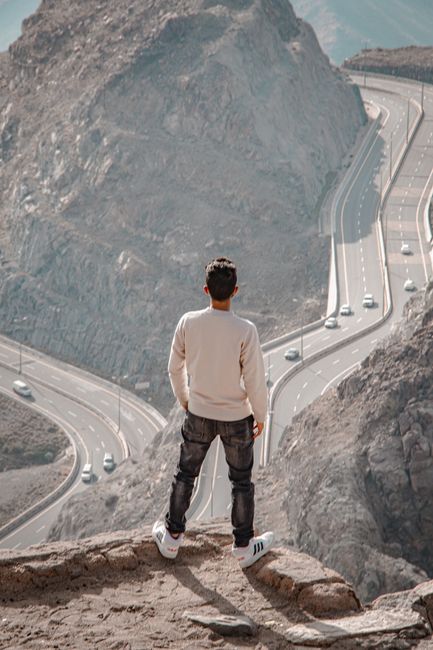
A drive is an easy way to get your bearings and enjoy the mountain scenery. Newfound Gap Road crosses the park between Gatlinburg, Tennessee, and Cherokee, North Carolina. Pullouts offer views of ridges and valleys, and the road reaches higher elevations where temperatures can be noticeably cooler.
Allow extra time for stops, slow traffic, and wildlife. Check the National Park Service road and trail conditions before setting out. Roads can close because of weather, maintenance, or other hazards.
Tip 2 – Walk part of the Gatlinburg Trail
The Gatlinburg Trail is a relatively gentle route near the Sugarlands Visitor Center and the edge of Gatlinburg. It follows the West Prong of the Little Pigeon River and passes historic homesites. It is one of the park’s few trails that allows dogs and bicycles, though dogs must be leashed.
Even an easy trail can be muddy or slick after rain. Wear shoes with good grip, carry water, and check current conditions. If you want a longer outing, ask a ranger about nearby routes that match your fitness and the day’s weather.
Tip 3 – Visit Cades Cove early in the day

Cades Cove is a broad mountain valley known for historic cabins, churches, wildlife viewing, and an 11-mile one-way loop road. The loop is popular, so an early start can mean fewer cars and more time to stop at the historic sites.
Drive slowly and never approach or feed wildlife. Traffic can move at a crawl, especially during busy seasons. Check the park’s current schedule before you go, as vehicle access and bicycle hours can vary by season and day.
Tip 4 – Choose a waterfall hike that suits your group
Waterfall walks are among the most popular things to do in the smoky mountains, but trail conditions and difficulty vary. Laurel Falls and Grotto Falls are well-known choices, while shorter nature trails near visitor centers can work better for visitors with limited time or mobility.
Do not climb on wet rocks or stand beneath a waterfall. Rocks can be slippery, and fast-moving water is dangerous even when a stream looks shallow. Check current trail status with the National Park Service before driving to a trailhead.
Tip 5 – Spend time at a park visitor center
Stop at Sugarlands, Oconaluftee, or another visitor center to get maps, ask about trail conditions, and learn about the park’s ecology and history. Exhibits can add context to what you see outside, especially if you are visiting the Smokies for the first time.
Visitor centers have different opening days and hours. Check the official visitor center information before you travel. A ranger can also suggest a quieter alternative if your preferred trailhead is crowded or closed.
Tip 6 – Look for wildlife from a safe distance
Elk are often seen around Cataloochee and the Oconaluftee Visitor Center area, while deer and wild turkeys may appear in open fields. Black bears live throughout the park, but sightings are never guaranteed. Bring binoculars and enjoy animals from a distance.
Never feed wildlife, surround an animal, or block its path. Keep at least 50 yards from bears and elk, and follow any additional park instructions. Store food securely, including in your vehicle, and do not leave snacks or rubbish where animals can reach them.
Tip 7 – Visit Kuwohi for a high-elevation view

Kuwohi, formerly called Clingmans Dome, is the highest point in Great Smoky Mountains National Park. A steep paved path leads from the parking area to an observation tower with wide views on clear days. The high elevation can bring cooler temperatures, wind, and sudden changes in visibility.
The access road is seasonally closed, and the final walk is short but strenuous. Check road status before making the drive, bring a warm layer, and take your time on the uphill path.
Tip 8 – Explore the historic buildings at Oconaluftee
Near Cherokee, North Carolina, the Mountain Farm Museum at Oconaluftee brings together historic log buildings from the region. The outdoor site helps visitors understand how people farmed and lived in these mountain valleys before modern roads and tourism.
Pair it with a stop at the Oconaluftee Visitor Center or a walk along the nearby river. Check opening information before you go, and remember that the park sits on the ancestral homeland of the Cherokee people. Approach cultural history with care and seek out Cherokee-led experiences in the surrounding area.
Tip 9 – Spend a half-day in Gatlinburg
Gatlinburg is a compact gateway town with restaurants, shops, museums, and family attractions close to the park entrance. It can be a convenient base if you want to mix outdoor time with indoor activities, especially when the weather is wet.
The main streets get busy, and parking can be expensive or limited at peak times. Consider leaving your car at your lodging and walking, or use the local trolley where routes and operating hours suit your plans. Check the official Gatlinburg visitor website for current visitor information.
Tip 10 – Make time for a quieter stop in Townsend

Townsend is often called the quieter side of the Smokies. It is a useful base for the western side of the park and for exploring Cades Cove, with a calmer feel than the busiest parts of Gatlinburg and Pigeon Forge.
Look for local cafés, river views, and small museums, then plan your drive into the park. There are fewer large attractions here, which is part of the appeal. If you want nightlife or a wide choice of shows, stay closer to Gatlinburg or Pigeon Forge instead.
Tip 11 – Add Pigeon Forge for shows and family attractions
Pigeon Forge is known for live entertainment, rides, family attractions, and a large choice of places to eat. It is a good option for a mixed-age group or for a rainy-day break from hiking and scenic drives.
Allow for traffic, especially around meal times and during school holidays. Tickets for popular shows can sell out, so compare schedules and book ahead if a particular performance matters to your trip. The attractions are outside the national park, so plan driving time between them and trailheads.
Tip 12 – Take a guided rafting or tubing trip
In the warmer months, guided rafting and tubing trips on rivers around the Smokies offer a change of pace from mountain roads. Choose a licensed operator, ask about minimum ages and swimming ability, and check what clothing and footwear are recommended.
Water levels and trip availability depend on weather and season. Do not enter rivers during storms or when water is high, and follow the guide’s safety instructions. Families with young children may prefer a calm float or a riverside picnic rather than a faster rafting route.
Tip 13 – See a mountain sunrise or sunset safely

Mountain overlooks can be beautiful at first light and near sunset, when ridgelines catch changing colors. Choose a designated overlook or a safe, legal pullout, and check the drive time so you are not rushing on narrow roads in the dark.
Bring a flashlight, warm clothing, and a fully charged phone. Do not stop in the roadway or walk along traffic lanes for a photo. Fog can arrive quickly, so be ready to change plans if visibility becomes poor.
Tip 14 – Try Appalachian food and local drinks
Look for Southern and Appalachian dishes such as cornbread, trout, beans, barbecue, biscuits, and seasonal vegetables. Menus differ between Gatlinburg, Pigeon Forge, Cherokee, and smaller communities, so consider trying a local diner or family-run restaurant alongside the larger tourist spots.
Some restaurants are busiest at dinner, and popular places may have a wait. Ask about local specialties, portion sizes, and ingredients if you have dietary needs. In rural areas, opening hours can be shorter than expected, especially outside the main visitor season.
Tip 15 – Visit a local craft or heritage attraction
Craft shops, galleries, and heritage sites around the Smokies offer a closer look at regional skills and traditions. You may find woodwork, pottery, textiles, and locally made foods. Buying directly from makers is a practical way to support small businesses.
Check whether a workshop or demonstration is operating on the day you plan to visit. Some venues have seasonal hours, and not every shop is open every day. For a broader US road trip that includes another small-town stop, see this guide to 20 fun things to do in Wooster, Ohio.
Tip 16 – Plan a low-cost day in the park
Many of the best things to do in the smoky mountains cost little or nothing beyond transportation and a required parking tag. Bring a picnic, use a free park map, choose a short trail, and enjoy a scenic drive or a river stop.
Budget for fuel, parking, food, and any activities in gateway towns. The park has no general entrance fee, but a valid parking tag is required for vehicles parked for more than 15 minutes. Review the park’s official fee and parking information before your visit.
Tip 17 – Choose your base according to your plans
Gatlinburg suits travelers who want walkable restaurants and attractions close to the park’s Tennessee entrance. Pigeon Forge offers more large-scale entertainment and lodging choices. Townsend is quieter and useful for the western park, while Cherokee is a convenient base for the North Carolina side.
Distances can be misleading on a map because mountain roads are slow. Pick lodging based on the side of the park you plan to explore most, and avoid changing hotels every night unless you are taking a longer road trip.
Tip 18 – Use a flexible transport and navigation plan
A car is the most practical way to reach many trailheads and scenic areas. There is no comprehensive public transport network serving the whole national park, and mobile service may disappear in valleys or on remote roads.
Download offline maps, save your lodging address, and keep a paper map as a backup. Fill your fuel tank before longer drives and do not rely on a navigation app to identify seasonal road closures. Check official park updates before each day’s drive.
Tip 19 – Pack for changing mountain weather
Bring comfortable walking shoes, a rain layer, a warm layer, water, snacks, sun protection, and a small first-aid kit. Even summer afternoons can feel cool at higher elevations, while rain can make trails and rocks slippery.
For longer walks, carry enough water and food for the time you expect to be out, plus a little extra. Keep valuables out of sight in your car and take rubbish with you. In colder months, check for ice and road restrictions before leaving your accommodation.
Tip 20 – Avoid the most common first-visit mistake
The most common mistake is trying to fit the entire park, Gatlinburg, Pigeon Forge, and Cherokee into one rushed day. The Smokies are large, roads are slow, and popular sites can have queues. Choose one main area each day and leave space for stops and unexpected delays.
Book lodging early for peak fall color, summer weekends, and holiday periods. Make a short list of priorities, but keep a backup plan in case a road, trail, or attraction is closed. That flexibility is one of the most useful things to do in the smoky mountains planning tips.
Quick Reference for a Smoky Mountains Trip
| Trip detail | Practical advice |
|---|---|
| Best base | Gatlinburg for the Tennessee entrance, Townsend for a quieter western base, Cherokee for the North Carolina side |
| Getting around | A car is useful for most park sights. Download offline maps because mobile coverage is not reliable everywhere. |
| Park parking | A parking tag is required when parking in the park for more than 15 minutes. Check current prices and rules before arrival. |
| Best seasons | Spring brings wildflowers, summer has long days, fall is popular for color, and winter can bring cold weather and road closures. |
| Useful essentials | Walking shoes, rainwear, warm layers, water, snacks, a paper map, and a charged phone |
| Wildlife safety | Observe animals from a distance, never feed them, and follow park guidance about bears and elk. |
Practical Travel Tips for the Smoky Mountains
Best time to visit
There is no single best season for everyone. Spring brings flowers and flowing streams, summer offers long daylight hours but also heavier crowds, and fall color draws large numbers of visitors. Winter can be peaceful, though cold temperatures, snow, or ice may affect roads and trails.
Fall weekends are especially busy around Gatlinburg, Cades Cove, and popular overlooks. If you visit then, book lodging well ahead, start drives early, and consider a weekday visit. Before travelling, check the park website for road, trail, and facility updates.
Getting around and parking
Most park experiences are easiest to reach by car. Roads are often narrow and winding, and travel times can be much longer than the distance suggests. Park only in marked spaces and use pullouts for photos. Never block a road or stop in a travel lane.
For parking inside the park, visitors need a valid tag when a vehicle is parked for more than 15 minutes. Check current tag options and purchase details through the National Park Service. Gateway towns have their own parking rules and fees, so read signs carefully.
Safety, emergencies, and useful apps
Cell reception is unreliable in parts of the park. Download maps and directions before leaving town, and tell someone your hiking plan if you are heading onto a longer trail. The National Park Service app can help with park information, but do not depend on a live connection in remote areas.
Call 911 for an emergency. Give the dispatcher your location, trail name, or nearest road and landmark. Do not approach bears or elk, and stay on established trails. If you are unsure about weather or trail difficulty, ask a ranger before setting out.
Local customs and useful phrases
English is the main language used across the region. A friendly “hello,” “please,” and “thank you” are appreciated. In small towns, a little patience and courteous conversation go a long way, especially in locally owned shops and restaurants.
Respect private property and local communities, and do not assume every scenic-looking road or riverside spot is public access. In the park, follow Leave No Trace principles: stay on trails, pack out rubbish, and leave plants, rocks, and historic objects where you find them.
Visa & Entry Requirements
The Smoky Mountains are in the United States, so international visitors should check the entry rules that apply to travel to the US. Requirements depend on your passport, purpose of travel, travel history, and current government policy. Rules can change, and the information below is general guidance rather than legal advice.
Some travelers may need a visitor visa, while eligible travelers may be able to use the Visa Waiver Program and obtain an approved Electronic System for Travel Authorization (ESTA) before travel. Eligibility is not determined by where you are visiting within the US. Check the US Customs and Border Protection information for international visitors and the US Department of State visitor visa guidance. Apply only through official government channels and allow time for any required processing.
Check your passport’s validity and condition, and make sure it has any blank pages required for your itinerary. The rules for passport validity vary by nationality and circumstances, so do not assume that one standard applies to everyone. Confirm whether you need a visa or electronic authorization, and keep copies of your travel documents separate from the originals.
Border officers may ask about your plans, accommodation, finances, or onward travel. Carry a return or onward ticket and lodging details when relevant to your circumstances. Travel insurance is sensible for medical expenses, cancellations, and outdoor activities, but it does not replace any entry requirement.
Vaccination rules, customs declarations, permitted goods, and allowed length of stay can also depend on your passport and current policy. Declare items when required and check current restrictions before packing food, medicines, or gifts. For the final answer, consult the official US government or US embassy website serving your country shortly before departure. Do not rely on old travel forum posts or assume another traveler’s rules apply to you.
Frequently Asked Questions
What are the best things to do in the smoky mountains for first-time visitors?
Start with a scenic drive, a visitor center, and one walk suited to your group. Cades Cove, Gatlinburg, and a high-elevation viewpoint such as Kuwohi are popular choices, but conditions and access can change. Leave time for slow roads and stops.
How many days do you need in the Smoky Mountains?
Two or three days gives many visitors time for a scenic drive, a couple of walks, and one or two gateway towns. A longer stay is better if you want to explore both the Tennessee and North Carolina sides without rushing.
Do you have to pay to enter Great Smoky Mountains National Park?
There is no general entrance fee for the park. However, a parking tag is required when parking for more than 15 minutes. Check the National Park Service for current tag prices, rules, and purchase information.
What is the best town to stay in for the Smoky Mountains?
Gatlinburg is convenient for restaurants and the park’s Tennessee entrance. Townsend is quieter and works well for the western side, while Cherokee is useful for exploring the North Carolina side. Pigeon Forge suits travelers looking for more family attractions and entertainment.
Can you visit the Smoky Mountains without a car?
It is possible to stay in a gateway town and use local transport for some activities, but a car makes it much easier to reach many trailheads and viewpoints. There is no comprehensive public transport system throughout the park, so plan each day around the services available where you stay.
When is the busiest time to visit?
Summer, fall-color season, and holiday periods are busy. Fall weekends can bring heavy traffic on popular routes. Visit on weekdays where possible, start early, and check current conditions before driving to a well-known site.
Are the Smoky Mountains suitable for families?
Yes. Families can choose short nature walks, scenic drives, historic sites, and attractions in Gatlinburg or Pigeon Forge. Check trail length and terrain before setting out, bring snacks and water, and keep children close around roads, rivers, and wildlife.
Conclusion
The Smoky Mountains offer a mix of peaceful scenery, approachable outdoor activities, historic sites, and lively gateway towns. You can spend the day watching the ridgelines from a pullout, walking a forest trail, or sampling local food in Gatlinburg, Townsend, Pigeon Forge, or Cherokee.
For the best trip, choose a base that matches the side of the park you want to explore, check road and trail conditions, and avoid packing too many stops into one day. A flexible plan helps you enjoy the region even when weather or traffic changes your schedule.
Whether you are planning a family break, a road trip, or a first visit to the area, the best things to do in the smoky mountains are often the simple ones: take your time, respect the landscape, and leave room for an unplanned scenic stop.
1 thought on “20 Fun and Best things to do in the smoky mountains”