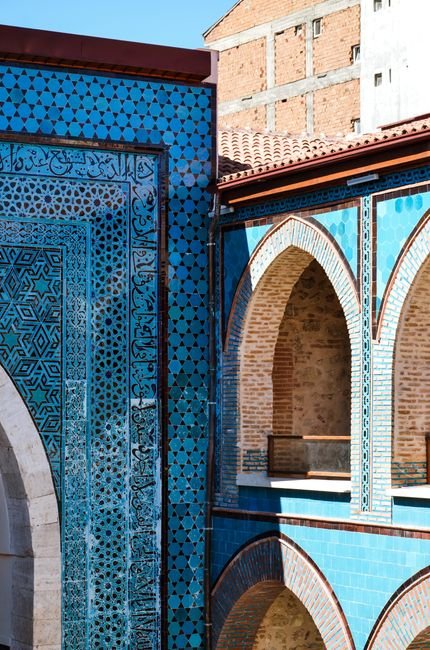
things to do in uzbekistan range from walking beneath Samarkand’s turquoise domes to sharing plov in a Tashkent teahouse. This Central Asian country rewards travelers who make time for both its celebrated Silk Road cities and its quieter local experiences.
Uzbekistan is a country, not a single city, so this guide covers its main destinations, including Tashkent, Samarkand, Bukhara, Khiva, and the Fergana Valley. Distances between them can be long, but high-speed trains make some of the most popular journeys straightforward to plan.
For a first trip, allow at least a week for Tashkent, Samarkand, and Bukhara. Add more time for Khiva, mountain scenery, or the western desert. The best itinerary depends on your pace, the season, and how much time you want to spend traveling between stops.
The ideas below include historic landmarks, food, transport, and practical details for international visitors. Check opening times and transport schedules before setting out, since services and visitor rules can change.
20 Things to Do in Uzbekistan
Tip 1 – Explore Registan Square in Samarkand

Registan Square is one of the country’s best-known sights, framed by the Ulugh Beg, Sher-Dor, and Tilya-Kori madrasas. Take time to notice the tilework and carved details instead of rushing through for photos. The complex is especially atmospheric in the early morning and near sunset, though visitor hours and ticket arrangements can vary.
Allow a couple of hours if you want to explore the buildings and return for evening views. For historical background on the city’s monuments, see the UNESCO entry for Samarkand.
Tip 2 – Walk through Samarkand’s Shah-i-Zinda necropolis
Shah-i-Zinda is a long avenue of mausoleums decorated with intricate glazed tiles. It is a religious site as well as a major visitor attraction, so dress respectfully and keep your voice low. Stairs and uneven paths make comfortable shoes useful.
Go early if you prefer a quieter visit. The complex is not a quick photo stop, and its changing tile patterns are easier to appreciate when you take your time.
Tip 3 – Visit Bukhara’s old town on foot
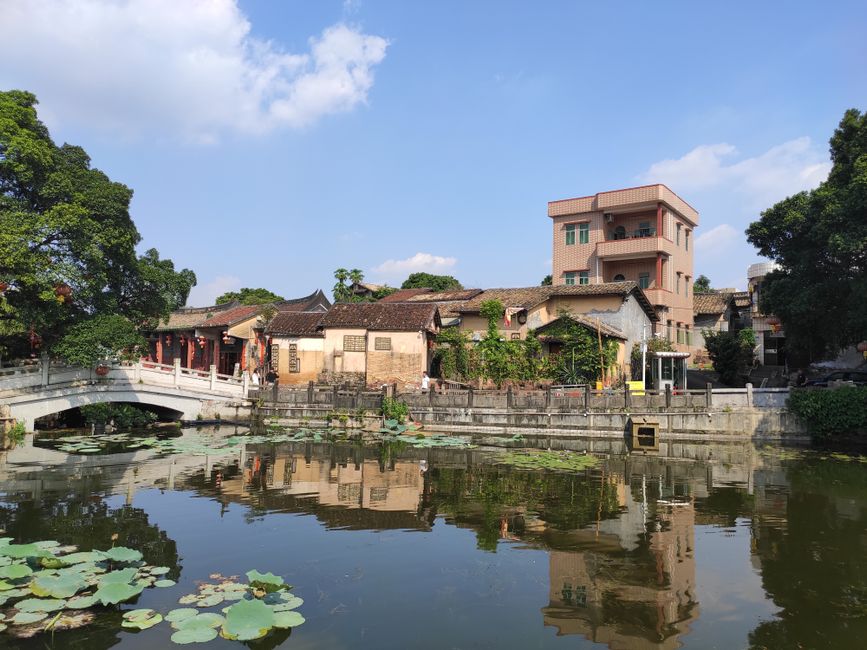
Bukhara’s old town is made for wandering. Start around the Lyabi-Hauz pond, then follow the lanes to historic mosques, trading domes, and courtyards. The compact center is easier to explore on foot than by car, but surfaces can be uneven and summer afternoons can be very hot.
Pause for tea or a meal when you need a break. Shops around the main sights can be convenient, but prices and quality vary, so compare a few options before buying crafts.
Tip 4 – See the Kalon Minaret and Poi-Kalon complex
The Kalon Minaret is a landmark of Bukhara, rising beside the Kalon Mosque and Mir-i-Arab Madrasa. The surrounding square is a good place to take in the scale of the architecture and see how the old town’s religious and civic life fits together.
Access to individual buildings may depend on current visitor rules, so check signs and ask locally before entering. Visit in the morning or later in the day to avoid the strongest heat.
Tip 5 – Spend an evening in Khiva’s Itchan Kala
Khiva’s walled inner town, Itchan Kala, feels especially memorable after day visitors leave. Walk along its lanes, look for carved wooden doors, and climb a viewpoint if it is open and safe to do so. The compact layout makes it possible to see a lot without transport.
Staying overnight inside or near the walls gives you time to enjoy the quieter hours. Check what your ticket covers, as entry arrangements for monuments and museums can change.
Tip 6 – Discover Tashkent’s mix of old and modern
Tashkent combines broad avenues and modern buildings with older neighborhoods, mosques, markets, and Soviet-era architecture. Visit the Khast Imam area for historic religious buildings, then explore a different side of the city around its central squares and metro stations.
The capital is large, so plan sights by area rather than trying to cross town repeatedly. A local taxi app or the metro can save time, particularly during hot weather.
Tip 7 – Ride the Tashkent Metro and admire its stations

Tashkent’s metro is useful for getting around and gives visitors a look at some striking station designs. Follow posted rules, keep your ticket or payment method accessible, and check current photography restrictions before taking pictures.
Use the metro for suitable routes, then walk or take a taxi for the last stretch. Stations are not always close to every attraction, and a short taxi ride can be more practical with luggage or in extreme heat.
Tip 8 – Browse Chorsu Bazaar in Tashkent
Chorsu Bazaar is a lively place to see everyday shopping alongside produce, spices, bread, sweets, and household goods. Walk through the market at a relaxed pace and ask before photographing vendors or their stalls.
Bring small cash for modest purchases, and keep your belongings secure in busy areas. If you are buying food for a train ride, choose items that travel well and check any restrictions that apply to your journey.
Tip 9 – Try plov, Uzbekistan’s celebrated rice dish
Plov is a filling rice dish commonly made with carrots, onions, and meat, though recipes and serving styles vary by region. Try it at a busy local restaurant or plov center, where it may be prepared in a large kazan and served until the day’s batch runs out.
Portions can be generous, so consider sharing. If you have dietary restrictions, explain them clearly and ask about ingredients, since recipes may include meat, oil, or other items that are not obvious from the menu.
Tip 10 – Take a high-speed train between the major cities

Trains are a comfortable way to connect Tashkent, Samarkand, and Bukhara, and high-speed services can make these journeys much quicker than road travel. Check routes, operating days, and ticket availability through the Uzbekistan Railways website.
Book ahead for popular dates and keep your passport details consistent with your ticket. Khiva and some other destinations may require a longer or different connection, so compare the full journey rather than assuming every route is direct.
Tip 11 – Visit the Savitsky Museum in Nukus
The Savitsky Museum in Nukus is known for its substantial collection of Russian avant-garde art and works connected with the region. It offers a very different experience from the country’s famous madrasa and mosque visits, making it a rewarding stop for art and history enthusiasts.
Nukus is far from the main Silk Road city route, so plan transport and opening hours carefully. If you are short on time, it may be better to focus on the central cities rather than squeezing in a rushed detour.
Tip 12 – Learn about the Aral Sea region
The former Aral Sea shoreline and the ship cemetery around Moynaq tell a sobering story of environmental change. Visiting the area can add important context to a trip, but it involves substantial travel and should be planned with reliable local transport arrangements.
Conditions, road quality, and available tours can vary. Ask a reputable local operator about the route, vehicle, travel time, and what is included before committing.
Tip 13 – See traditional crafts in the Fergana Valley

The Fergana Valley is associated with crafts such as silk weaving, ceramics, and woodwork. Towns including Margilan, Rishtan, and Kokand offer a chance to see workshops and regional styles, but it is worth checking ahead to learn which artisans welcome visitors.
Buy directly from makers when possible, and ask about materials and production methods. The valley requires extra travel time, so it fits best into a longer itinerary rather than a quick city break.
Tip 14 – Walk the old town of Kokand
Kokand has a different rhythm from the more visited Silk Road centers. The Khudayar Khan Palace is a major attraction, while the surrounding city offers a chance to see local life beyond the most photographed monuments.
Check opening times before traveling across the valley. A guide can help explain the region’s history, but independent visitors can still enjoy a short visit by arranging transport in advance.
Tip 15 – Take a day trip toward the Chimgan Mountains
North-east of Tashkent, the Chimgan area offers mountain scenery and a change of pace from historic city streets. Depending on the season, visitors may find walking routes and outdoor activities, but weather and access can affect what is practical.
Use a reputable driver or tour provider, especially if you plan to go beyond an easy roadside viewpoint. If you enjoy planning mountain outings, you may also like our guide to 20 Fun and Best things to do in the smoky mountains.
Tip 16 – Visit a hammam or try a local tea house
A traditional hammam can be a relaxing way to rest between sightseeing days. Ask your hotel or a trusted local contact for a reputable option, and check what services, clothing, and payment methods are expected before you go.
For a quieter break, settle into a chaikhana, or tea house, and order tea with bread or a light meal. These stops are as much about slowing down as they are about trying something new.
Tip 17 – Plan for seasonal weather and daylight
Spring and autumn are often comfortable seasons for walking around Uzbekistan’s historic centers. Summer can be intensely hot, while winter brings colder conditions and shorter days. Conditions differ by region, so check local forecasts for every stop on your route.
In warm weather, start sightseeing early, carry water, and plan an indoor break during the hottest part of the afternoon. In cooler months, pack layers and confirm that seasonal services and attractions are operating.
Tip 18 – Make room for family-friendly and low-cost activities
Families can keep days manageable by choosing one or two major sights, adding time in a park or market, and leaving room for rest. Historic sites often involve steps, uneven paths, and limited shade, so a stroller may not suit every route.
Budget travelers can save by using trains where practical, eating at casual local restaurants, and walking around compact historic centers. Check ticket prices and transport costs locally, as fees and policies can change.
Tip 19 – Use useful apps and plan local transport
Ride-hailing apps such as Yandex Go may be useful in larger cities, while offline maps and a translation app can help when mobile data is limited. Download maps and save your hotel address before traveling between towns.
For intercity journeys, compare train and road options and allow time for station transfers. Keep some local currency available for small purchases, and agree on a fare before starting a ride if you are not using an app.
Tip 20 – Pack thoughtfully and follow local customs
Pack comfortable walking shoes, sun protection, a refillable water bottle, and clothes suited to the season. Modest clothing is a considerate choice at religious sites, where visitors may be asked to cover shoulders or legs. A light layer is useful in air-conditioned transport and in cooler evenings.
Learn a few words such as “assalomu alaykum” for hello and “rahmat” for thank you. Ask before photographing people, observe signs at religious sites, and avoid assuming that every local custom is the same across the country.
Quick Reference for Planning a Uzbekistan Trip
| Destination | Good for | Planning note |
|---|---|---|
| Tashkent | Markets, metro, museums, and city life | Allow time for traffic and long distances between sights. |
| Samarkand | Registan Square, mausoleums, and major historic sites | Book popular train journeys in advance when possible. |
| Bukhara | Walkable old-town lanes, mosques, and trading domes | Stay near the historic center to explore on foot. |
| Khiva | Walled architecture and a compact historic center | Plan for the longer journey from the main central route. |
| Fergana Valley | Craft traditions and regional towns | Allow extra days for transport and workshop visits. |
| Nukus and Moynaq | Art and the history of the Aral Sea region | Arrange transport and confirm local conditions in advance. |
Practical Travel Advice for Uzbekistan
Best time to visit
Spring and autumn are popular for comfortable sightseeing, but the ideal dates depend on your route and tolerance for heat or cold. Summer temperatures can make long outdoor visits tiring, especially in desert regions. Check forecasts close to departure and build your schedule around the conditions.
Advance bookings and the most common tourist mistake
Book intercity trains as early as practical for busy travel dates, and confirm accommodation details before arriving in smaller destinations. Some popular monuments have separate ticket arrangements or changing hours, so check locally rather than relying on an old schedule.
A common mistake is trying to visit too many cities in too few days. Uzbekistan’s main attractions are spread across a large area, and travel days take time. Choose a realistic route and leave room for delays, meals, and rest.
Safety, money, and emergency information
Use normal city precautions: keep valuables secure in crowded markets, use reputable transport, and take care crossing busy roads. Carry a hotel card or saved address in case your phone battery runs low. Ask your accommodation for current local emergency contacts and the nearest medical facility.
Keep a mix of payment options where practical, and check whether your bank cards work before relying on them. Travel insurance can help with unexpected medical or transport costs, but review the policy details and exclusions before your trip.
Visa & Entry Requirements
Entry rules for Uzbekistan depend on your passport and the government policy in force when you travel. Visa-free access, visa validity, permitted length of stay, and any electronic travel authorization requirements can differ by nationality. Do not assume that a friend’s experience or an older travel article applies to your passport. Before booking, check Uzbekistan’s official electronic visa portal and the relevant government or embassy guidance for your circumstances.
Check the passport-validity period required for your trip and make sure you have enough blank pages for entry stamps if required. Confirm whether you need a visa or electronic authorization, how long you may stay, and whether your permitted stay covers your full itinerary. Border officials may ask about onward or return travel and proof of accommodation, so keep relevant bookings accessible. Requirements can change, and an application submission or travel booking is not the same as permission to enter.
Vaccination and public-health requirements can also change and may depend on where you have traveled. Check current official advice before departure, and ask a qualified health professional about personal medical questions. Review customs rules for items you plan to bring into or take out of Uzbekistan, including valuable goods, medicines, and restricted items. If a customs declaration is required for your situation, complete it accurately and keep any relevant paperwork.
Consider arranging travel insurance that covers the activities and regions on your itinerary, and keep a copy of your policy details. Hotel or accommodation registration procedures may apply during a visit; ask your accommodation how registration is handled and retain any confirmation they provide. For final decisions, use an official Uzbekistan immigration, embassy, or government source and contact the appropriate authority if your case is unclear. This is practical travel information, not a legal guarantee.
Frequently Asked Questions About Things to Do in Uzbekistan
How many days do I need for Uzbekistan?
A week is a reasonable starting point for Tashkent, Samarkand, and Bukhara, though it will feel active. Around 10 to 14 days gives you more time for Khiva or the Fergana Valley. Add extra days for Nukus, Moynaq, or mountain trips.
What are the best things to do in Uzbekistan on a first visit?
Many first-time visitors focus on Registan Square in Samarkand, Bukhara’s old town, Khiva’s Itchan Kala, and Tashkent’s markets and metro. Add a local meal, a crafts visit, or a day outside the cities to make the trip feel more varied.
Is Uzbekistan easy to travel around by train?
Train travel works well on some of the country’s main routes, especially between Tashkent, Samarkand, and Bukhara. Not every destination has a direct or frequent service, so check schedules and connections before setting your itinerary.
When is the best time to visit Uzbekistan?
Spring and autumn are often comfortable for sightseeing, while summer can bring strong heat and winter can be cold. Conditions vary by region, so check forecasts for each destination rather than packing for only one city.
Is Uzbekistan suitable for a family trip?
Yes, families can enjoy the historic cities, markets, food, and train journeys. Plan shorter sightseeing days, allow for rest, and consider that many old-town paths include uneven paving and steps.
What should I wear when visiting religious sites?
Choose respectful clothing that covers shoulders and knees, and follow any posted instructions at the site. Requirements can vary, so check signs or ask staff before entering.
Do I need to book trains and major attractions in advance?
Booking popular train routes ahead is a sensible choice, particularly during busy periods. For attractions, check current opening times, ticket rules, and any visitor limits shortly before your visit.
Conclusion
The best things to do in Uzbekistan combine landmark architecture with everyday experiences: walking through old towns, browsing a bazaar, riding the metro, and sharing local food. Each region has its own character, so a thoughtful route is more rewarding than trying to see everything at once.
For a first visit, connect Tashkent with Samarkand and Bukhara, then add Khiva or another region if your schedule allows. Check transport and entry requirements before you go, plan around the weather, and leave time to enjoy the places between the major sights.
1 thought on “20 Fun and Best things to do in uzbekistan”