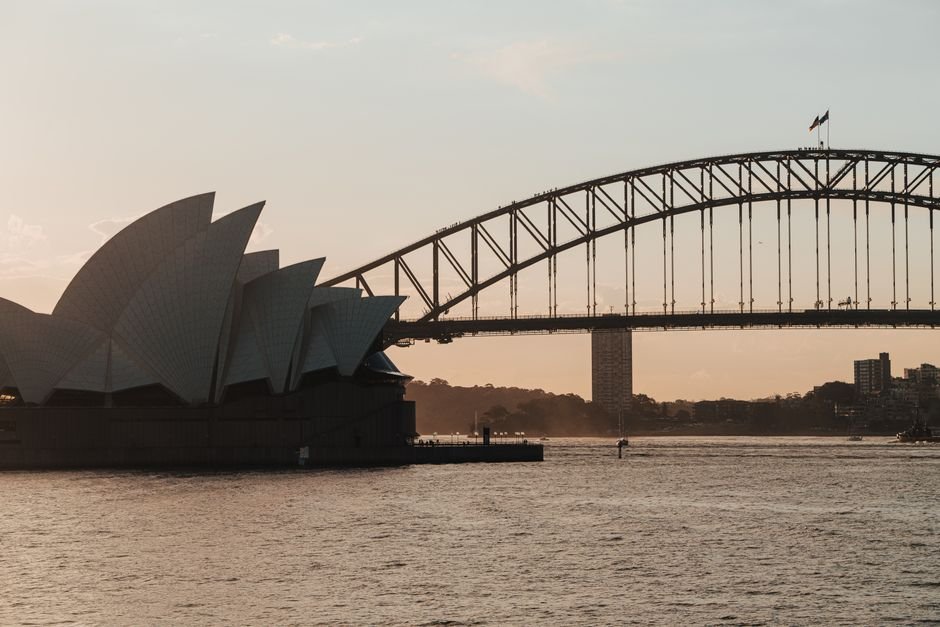
best things to do in sydney include walking beside the harbour, visiting famous landmarks, swimming at a city beach, and eating your way through lively neighbourhoods. Sydney, Australia, is a large coastal city, so a little planning helps you make the most of your time.
You can fill a short visit with the Opera House and Harbour Bridge, or stay longer to explore beaches, museums, markets, and nearby national parks. This guide covers practical ideas for different budgets and travel styles, along with tips for getting around safely.
Sydney is in New South Wales, on the east coast of Australia. The city is easy to explore by public transport, but distances can be longer than they look on a map. Choose activities by area where possible, and leave time to enjoy the harbour views along the way.
20 Best Things to Do in Sydney
Use this quick guide to plan your days. Opening hours, transport services, and booking requirements can change, so check official websites before setting out.
| Experience | Best for | Useful tip |
|---|---|---|
| Sydney Opera House | Architecture and performances | Book a tour or show ahead |
| Harbour ferry | Views on a modest budget | Check routes and service updates |
| Bondi to Coogee walk | Coastal scenery and exercise | Bring water and sun protection |
| The Rocks | History, markets, and dining | Wear comfortable walking shoes |
| Taronga Zoo | Families and animal lovers | Allow several hours |
| Blue Mountains | A full-day nature trip | Check weather and return transport |
Tip 1 – Visit the Sydney Opera House

The Opera House is one of Sydney’s best-known landmarks, set right on the harbour at Bennelong Point. Admire its sail-shaped roof from the outside, or take a guided tour to learn about the building and its performance spaces. Tours and performances have different schedules, so check the Sydney Opera House visitor information before you go.
It is worth visiting even if you do not attend a show. The forecourt and nearby waterfront paths offer excellent views, especially around sunset. Food and drinks in the immediate area can be expensive, so compare menus before choosing a table.
Tip 2 – Walk around Circular Quay
Circular Quay is a useful starting point for exploring the harbour. From here, you can see the Opera House, watch ferries come and go, and walk towards The Rocks or the Royal Botanic Garden. It is busy during commuting hours and on weekends, but the public waterfront is easy to enjoy at your own pace.
Give yourself time to follow the shoreline rather than treating the area as only a transport stop. A short walk can lead to harbour viewpoints, public art, and places to sit between activities.
Tip 3 – See the harbour from a ferry

A public ferry is a practical way to see Sydney Harbour while travelling between neighbourhoods. Depending on the route, you may pass the Harbour Bridge, the Opera House, waterfront suburbs, and bayside parks. Ferries are part of the public transport network, not just sightseeing boats.
Check routes, fares, and service changes on Transport for NSW. A ferry can be busy at popular times, and it may not be the fastest option for every trip, so compare it with trains, buses, or light rail.
Tip 4 – Explore The Rocks
The Rocks is one of the city’s historic areas, with old laneways, heritage buildings, pubs, galleries, and harbour views. It sits close to Circular Quay, making it easy to combine with the Opera House or a ferry ride.
Markets and events are held on selected days, so check what is on during your visit. This is a popular visitor district, and some restaurants charge more than places a few streets away. Walk around first, then choose where to eat.
Tip 5 – Walk or climb near the Harbour Bridge
For a free harbour experience, walk across the Sydney Harbour Bridge pedestrian path. The walk gives you a different perspective from the waterfront, though it can be noisy because of traffic. Follow signs to the pedestrian route and allow time to reach the bridge from the city side.
The BridgeClimb offers a guided climb for travellers who want a high viewpoint and are comfortable with heights. It costs more than a regular walk and requires advance booking. Check age, health, and clothing requirements before reserving.
Tip 6 – Take a break in the Royal Botanic Garden
The Royal Botanic Garden is a relaxing place to pause between city sights. Its paths and lawns sit beside the harbour, and the garden offers memorable views towards the Opera House and bridge. It is an easy walk from Circular Quay, though distances inside the grounds can add up.
Bring water and a snack if you plan to stay for a while. Follow garden signs and respect any areas temporarily closed for maintenance or events. The garden is a good choice for a low-cost outdoor activity in central Sydney.
Tip 7 – Walk the Bondi to Coogee coastal path

The Bondi to Coogee walk follows a dramatic stretch of coastline, passing beaches, cliffs, parks, and ocean pools. You can walk the full route or turn back at one of the beaches. The track includes steps and exposed sections, so wear shoes with a good grip and bring water.
Allow a few hours if you want to stop for photos, a swim, or a meal. The path can be crowded on weekends and during holidays. Check local conditions before swimming, and follow signs about track closures or rough surf.
Tip 8 – Spend time at Bondi Beach
Bondi is famous for its broad sandy beach, surf culture, cafes, and ocean pool. It is easy to reach by bus from central Sydney, but it can be very busy on warm weekends. Go early if you want a quieter walk or a good place to sit.
Swim between the red and yellow flags when lifeguards are on duty, and follow beach safety advice. The ocean can have strong currents even when the shore looks calm. If you are unsure about conditions, stay out of the water.
Tip 9 – Choose another beach or ocean pool
Sydney has many beaches beyond Bondi. Manly, Coogee, Bronte, and Balmoral each have a different setting, and some are easier to pair with a ferry or a coastal walk. Check how long the journey takes from your accommodation before choosing a beach for a short visit.
Ocean pools can be a calmer alternative to the open sea, but conditions still vary. Check local signage, avoid climbing on slippery rocks, and pack a towel, sunscreen, and a change of clothes.
Tip 10 – Browse a Sydney museum

Sydney’s museums offer a useful indoor option on rainy or very hot days. The Australian Museum covers natural history and culture, while the Art Gallery of New South Wales displays Australian and international art. The Museum of Contemporary Art Australia is another option near Circular Quay.
Check current exhibitions, opening hours, and admission details before travelling. Some galleries have free areas, while special exhibitions may require a ticket. A museum visit can also add context to the places and landscapes you see around New South Wales.
Tip 11 – Visit Taronga Zoo
Taronga Zoo combines animal exhibits with excellent views across Sydney Harbour. You can reach the zoo by ferry and connect to the entrance by local transport or a walk uphill. Plan for several hours, especially if you are travelling with children.
Look at the zoo’s map and daily schedule before you arrive so you can prioritise the exhibits that interest you. Tickets and transport add to the cost, but the setting makes it a distinctive family outing.
Tip 12 – Explore Darling Harbour
Darling Harbour has waterfront paths, restaurants, museums, and family attractions. It is an easy area for a relaxed walk, and its public spaces are lively in the evening. Nearby options include SEA LIFE Sydney Aquarium and the Australian National Maritime Museum.
Attractions here can make for a full day, but admission costs can add up. Compare ticket prices and opening times in advance, especially if you plan to visit more than one attraction.
Tip 13 – Spend an afternoon in a Sydney neighbourhood

Set aside time for neighbourhoods beyond the main harbour sights. Surry Hills is known for cafes and restaurants, Newtown has a lively independent shopping and dining scene, and Paddington has terrace houses and boutique stores. Choose one area rather than trying to cover them all in a rushed afternoon.
If you enjoy planning city breaks around local parks, shops, and waterfront walks, you may also like this guide to 20 Fun and Best things to do in kirkland. For Sydney, check transport connections before heading to an outer neighbourhood, as travel times can vary.
Tip 14 – Try local food and coffee
Sydney’s food scene reflects its many communities, with excellent choices ranging from casual bakeries to seafood restaurants and international dining. Try a neighbourhood cafe for breakfast, look for seasonal produce at a market, or choose a casual meal in Chinatown or Haymarket.
Prices vary widely. Harbourfront restaurants often cost more, while food courts and casual eateries can be easier on the budget. If you have dietary needs, ask staff about ingredients and cross-contact rather than relying on a menu description alone.
Tip 15 – Visit a market
Markets are a good way to browse local crafts, produce, street food, and vintage finds. Sydney has different markets in various neighbourhoods, and schedules can change by season or event. Check the market’s official listing before making a special trip.
Bring a reusable bag and a payment method you can use for small purchases. Popular food stalls may have queues at lunchtime, so arrive early or go later in the afternoon.
Tip 16 – Consider a Blue Mountains day trip
The Blue Mountains are a popular excursion from Sydney, with lookouts, walking tracks, waterfalls, and towns such as Katoomba. A day trip can be rewarding, but it is a longer outing than a visit to a city attraction. You may have less flexibility if you rely on a tour or train connections.
Check weather, track conditions, transport schedules, and park alerts before you leave. Pack water, suitable shoes, and an extra layer. If you want to hike, choose a route that matches your fitness and available daylight.
Tip 17 – Plan a night out around your interests
Sydney has theatre, live music, rooftop venues, casual bars, and late-night dining. The best choice depends on where you are staying and how you want to get home. Book popular performances ahead, and check the age policy and entry requirements for venues.
Public transport can be less frequent late at night on some routes. Check the last service before you go out, travel with your group where possible, and use a licensed taxi or rideshare if you need another way back.
Tip 18 – Make getting around part of your plan
Sydney’s trains, buses, ferries, and light rail connect many visitor areas. Contactless payment is available on much of the network, but check current payment options and fare information before travel. Keep the same card or device available when tapping on and off where required.
Use the Transport for NSW trip planner to compare routes and check service updates. Walking is often pleasant in central areas, but steep streets, heat, and longer distances can make a short map route feel less simple.
Tip 19 – Choose the best time and pack for the weather
Sydney is a year-round destination, but the feel of a visit changes with the season. Summer brings beach weather and busy holiday periods, while cooler months can be comfortable for city walks. Spring and autumn often work well for outdoor sightseeing, though rain and changing temperatures are possible at any time.
Pack comfortable walking shoes, sun protection, a refillable water bottle, and a light layer. Check the forecast before coastal walks or day trips, and carry a rain jacket if you have outdoor plans.
Tip 20 – Stay safe and avoid common travel mistakes
The most common visitor mistake is underestimating travel time and trying to fit too many far-apart sights into one day. Group activities by area and leave a buffer for ferry connections, queues, and breaks. Save your accommodation address and transport route before heading out.
Use sunscreen and drink water in hot weather. At beaches, swim between the flags and follow lifeguard instructions. In an emergency in Australia, call 000 for police, fire, or ambulance. For everyday journeys, check live transport updates and keep your phone charged.
Visa & Entry Requirements
Entry to Australia depends on your passport, the purpose of your trip, and the rules in force when you travel. Visitors generally need an appropriate visa or travel permission before arriving, but the available options and application process differ by passport. Do not assume that another traveller’s experience applies to you.
Check the Australian Government’s Department of Home Affairs visa information and use its official tools to identify the correct process. Apply through an official government channel and allow enough time for processing. Confirm the permitted length of stay and whether your permission allows the activities you have planned.
Before departure, check your passport’s expiry date and condition. Some airlines or authorities may require a passport to remain valid for a period beyond your trip, so confirm the rules that apply to your route and passport. Make sure you have any necessary blank pages, and keep copies of important documents separately from the originals.
Review whether you need an electronic travel authorization, visa, or other approval, and carry evidence of approval when advised. You may also be asked to show return or onward travel plans, accommodation details, or proof that you can support yourself during your stay. Travel insurance is a sensible safeguard for medical costs, cancellations, and lost belongings, but it does not replace entry permission.
Vaccination requirements, health declarations, customs rules, and biosecurity controls can change. Australia has strict rules for bringing in food, plant material, animal products, and other restricted items. Read current guidance from the Australian Border Force about items you can bring into Australia, and declare items when required. These details are general travel guidance, not legal advice. For a final decision, confirm current requirements with Australian government or embassy sources for your circumstances.
Frequently Asked Questions
What are the best things to do in Sydney on a first visit?
Start with Circular Quay, the Opera House, The Rocks, and a harbour ferry. If you have more time, add a beach visit or the Bondi to Coogee coastal walk. Grouping nearby sights helps you spend less time travelling across the city.
How many days do you need in Sydney?
Three full days is a useful starting point for central sights, a beach or coastal walk, and one neighbourhood visit. Add more time if you want to visit the Blue Mountains, explore several beaches, or take a slower pace.
What are some free things to do in Sydney?
Walk around Circular Quay, explore The Rocks, relax in the Royal Botanic Garden, visit a public beach, or walk across the Harbour Bridge pedestrian path. Some museums also have free areas, but check current entry details.
Is Sydney easy to get around without a car?
Yes, many popular places are connected by train, bus, ferry, or light rail. A car is not necessary for central sightseeing and can be inconvenient for parking. Check routes before visiting beaches or outer areas, since connections and travel times vary.
When is the best time to visit Sydney?
Spring and autumn are often comfortable for walking and sightseeing, while summer suits beach plans but can be hot and busy. Winter is cooler and can still be pleasant for city activities. Check the forecast for your dates and pack for changeable weather.
Is Sydney safe for visitors?
Sydney is a popular visitor destination, but use ordinary city precautions. Keep an eye on your belongings, plan your route home at night, protect yourself from the sun, and follow beach safety signs. Call 000 for an emergency requiring police, fire, or ambulance.
Conclusion
The best things to do in Sydney bring together harbour views, coastal walks, historic streets, neighbourhood food, and time outdoors. You can see the famous landmarks in a few days, but the city rewards travellers who leave room for a slower meal or an unplanned ferry ride.
Plan each day by area, check transport and entry details before setting off, and book major tours or performances in advance. With a little preparation, the best things to do in Sydney can fit a range of budgets and travel styles, from a quick first visit to a longer stay in Australia.
1 thought on “20 Fun and Best best things to do in sydney”