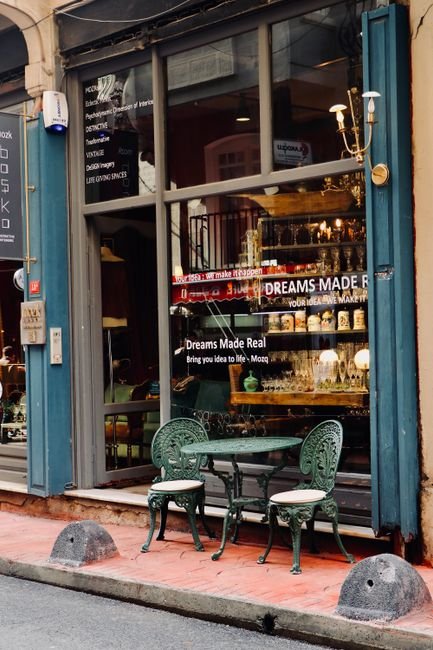
things to do in chelsea include exploring London’s elegant riverside streets, independent shops, gardens, galleries and football heritage. Chelsea is a neighbourhood in west-central London, England, in the United Kingdom, rather than a separate city.
It is a rewarding area to explore on foot, with a mix of quiet residential streets and lively spots around King’s Road. Many attractions are close together, but some museums and gardens have limited opening hours, so check details before setting out.
This guide covers the best things to do in Chelsea, with practical advice on transport, food, family visits, costs and entry requirements for the UK.
20 Best Things to Do in Chelsea
Tip 1 – Walk along King’s Road

King’s Road is Chelsea’s best-known shopping street and an easy place to begin exploring. Browse fashion shops, homeware stores, cafés and familiar high-street names, then take a detour into the smaller streets for a quieter feel.
It can be busy on weekends, and some shops are expensive. Treat it as a stroll and window-shopping route if you are watching your budget.
Tip 2 – Explore Duke of York Square
Duke of York Square is a smart open-air shopping and dining area just off King’s Road. It is also a useful place to pause between attractions, with outdoor seating and a weekly food market on Saturdays.
Check the market schedule before visiting, as stall selection and event details can change. The square is close to Sloane Square station, making it a convenient meeting point.
Tip 3 – Visit the Saatchi Gallery

The Saatchi Gallery presents contemporary art in a striking former military building at Duke of York Square. Exhibitions change, so look at the Saatchi Gallery’s official website for current shows, opening times and any ticket requirements.
It is a good choice if you want an indoor activity or a change of pace from shopping. Allow extra time if an exhibition interests you, but check in advance whether admission is free or ticketed for your dates.
Tip 4 – Find a green escape at Chelsea Physic Garden
Chelsea Physic Garden is a historic botanical garden tucked near the Thames. Its collections include medicinal and useful plants, and its sheltered paths offer a calm break from busy streets.
Opening days and hours vary by season, and advance booking may be needed. Check the Chelsea Physic Garden website before you go, especially if you are visiting outside the main spring and summer season.
Tip 5 – See the Royal Hospital Chelsea
The Royal Hospital Chelsea is a historic home for retired soldiers, known for its grand architecture and the distinctive scarlet uniforms of the Chelsea Pensioners. The grounds and visitor experiences can have different access arrangements, so check ahead rather than assuming every area is open.
The annual RHS Chelsea Flower Show takes place here in May and draws large crowds. Tickets are limited and should be arranged well in advance through the Royal Horticultural Society’s Chelsea Flower Show page.
Tip 6 – Learn about military history at the National Army Museum
The National Army Museum explores the history of the British Army through objects, stories and family-friendly displays. It is near the Royal Hospital Chelsea and is a practical indoor option on a rainy day.
Check the museum’s official information for current opening times, exhibitions and any booking advice. Build in time for security checks if you are visiting with a bag.
Tip 7 – Walk beside the Thames on Chelsea Embankment

Chelsea Embankment is a pleasant route for a riverside walk, with views across the Thames and attractive historic buildings along the way. It is especially enjoyable in fine weather, when you can continue towards Albert Bridge or find a bench for a short rest.
Paths can be busy with cyclists and pedestrians. Keep to the appropriate side and take care near road crossings.
Tip 8 – Admire Albert Bridge
Albert Bridge is one of London’s most striking Thames crossings, with decorative details that look particularly lovely after dark. Walk across for river views, or admire it from the Chelsea side and nearby paths.
It is an active road bridge, not a pedestrian-only attraction. Stay on the pavement and be mindful of traffic, especially when stopping to take photographs.
Tip 9 – Discover Chelsea Old Church
Chelsea Old Church, also known as All Saints, stands near the river and has a long history connected with the neighbourhood. Its quiet setting makes it a worthwhile stop if you are already walking along Chelsea Embankment.
Opening times may be limited by services and events. Be respectful if a service is taking place, and check locally before making a special trip.
Tip 10 – Visit Carlyle’s House

Carlyle’s House is a preserved Victorian home where writer Thomas Carlyle and his wife Jane lived. Its rooms and garden offer an intimate look at 19th-century life in Chelsea.
The house is managed by the National Trust, and opening arrangements can change by season. Check the National Trust listing before visiting, as it may not be open every day.
Tip 11 – Browse Pavilion Road
Pavilion Road is a short, attractive shopping street near Sloane Square, known for food shops, cafés and independent businesses. It is a good place to pick up a snack or browse local produce without committing to a full meal.
Prices can be higher than in less central parts of London. For a more affordable bite, compare menus and look for takeaway options.
Tip 12 – Watch a match or take a stadium tour at Stamford Bridge
Stamford Bridge is the home ground of Chelsea Football Club, in the Fulham Broadway area near Chelsea. Match days bring a lively atmosphere but also crowds, road restrictions and higher demand for transport.
For a quieter visit, look into a stadium tour or museum visit. Check the club’s official information for tour availability, match schedules and access details before travelling.
Tip 13 – Take a family break in Battersea Park

Battersea Park is across the river from Chelsea and makes a spacious nearby outing for families, walkers and anyone wanting a break from shops. The park has open lawns, gardens and play areas, so it works well when children need room to move.
Allow time for the river crossing and check the park’s current facilities before you go. It is a nearby addition to a Chelsea day, rather than an attraction in the neighbourhood itself.
Tip 14 – Try a Chelsea pub
A traditional pub is an easy way to settle in for a drink or a relaxed meal. Chelsea has historic pubs as well as polished modern bars, so look at menus and recent opening information before choosing one.
Pub prices in this part of London can be high. If you want a full meal, check whether the kitchen is open and whether you need to reserve a table at busy times.
Tip 15 – Make time for afternoon tea or a café stop
Chelsea has plenty of cafés and places serving cakes, light lunches and afternoon tea. A café break is useful between galleries and shopping, especially if the weather turns wet.
Afternoon tea can be a special-occasion expense, while a simple coffee and pastry is usually more budget-friendly. Check whether service charges are included on the bill.
Tip 16 – Explore the side streets and garden squares
Some of Chelsea’s charm lies away from its main shopping road. Take a gentle walk through residential streets and look out for historic houses, small garden squares and carefully kept façades.
These are lived-in neighbourhoods, not open-air museums. Keep noise down, do not enter private gardens, and avoid blocking doorways while taking photos.
Tip 17 – Plan a seasonal visit
Spring and early summer bring flowers, longer daylight and lively outdoor dining. The Chelsea Flower Show is a major seasonal event, while autumn and winter can feel quieter and are better suited to galleries, museums and cosy cafés.
London weather is changeable in every season. Bring a light waterproof layer, and check event dates before booking accommodation if you want to avoid peak visitor periods.
Tip 18 – Get around by Tube, bus and on foot
Sloane Square is the most convenient Tube station for central Chelsea, while South Kensington and Fulham Broadway serve other edges of the neighbourhood. King’s Road is not directly served by a Tube line, so buses and walking are often useful for the final part of a journey.
Use the Transport for London website and journey planner for routes, service updates, fares and accessible travel information. Contactless payment and Oyster are widely used on London public transport, but check current fare rules before travelling.
Tip 19 – Keep costs manageable
Many of the best things to do in Chelsea involve walking, looking around the streets or enjoying the riverside, which can cost little or nothing. Pair free sights with one paid attraction, and check for free admission or concession options where available.
Eating a little away from the main shopping areas may help your budget. You can also plan a picnic for a park visit, while remembering to dispose of rubbish responsibly.
Tip 20 – Use local services and travel safely
For routes, transport changes and opening information, use official attraction websites and Transport for London updates rather than relying only on old search results. Keep your phone charged, save your accommodation address, and carry a payment option that works in the UK.
London is a large city, so take ordinary precautions: watch your belongings in crowded places, use licensed taxis or app-based services, and stay aware of traffic when crossing roads. In an emergency, call 999 or 112. For urgent medical help that is not an emergency, call NHS 111.
Quick Reference: Planning a Chelsea Visit
| Plan | Useful details |
|---|---|
| Best for | Shopping, galleries, gardens, riverside walks and historic streets |
| Getting there | Sloane Square, South Kensington and Fulham Broadway stations serve different parts of the area |
| Getting around | Walk for central sights, and use London buses or the Tube for longer trips |
| Good to know | Some gardens and historic attractions have seasonal or limited opening hours |
| Book ahead | Check major events, Chelsea FC tours and special exhibitions before travelling |
| Budget tip | Combine free walks and public spaces with one paid museum or garden visit |
Practical Advice for Visiting Chelsea
Best time to visit
Late spring and summer are popular for gardens, outdoor dining and riverside walks. Weekdays are often calmer for shopping and galleries, while weekends can be livelier around King’s Road and Duke of York Square.
What to pack
Wear comfortable shoes for walking and bring a light waterproof jacket, even in warmer months. Pack a reusable water bottle, a phone charger and a payment card that can be used in the UK. If you plan to visit a special event, check its dress and bag policies first.
Common tourist mistake
A common mistake is assuming Chelsea is a single compact attraction with a Tube station on King’s Road. The area is spread out, and the nearest station depends on your destination. Check the route to each stop and allow time for walking between them.
Local etiquette and useful phrases
People in London generally queue, keep to the left on escalators and say “please” and “thank you” in shops and cafés. “Cheers” is a casual way to say thanks. Be considerate in residential streets, and ask before photographing people closely.
Visa & Entry Requirements
Chelsea is in London, England, and entry requirements are set by the United Kingdom. The rules that apply depend on the passport you travel on, your reason for visiting, your travel dates and current UK government policy. Requirements can change, so do not rely on an old visa or travel blog for a final decision.
Before booking, check whether you need a visa or an Electronic Travel Authorisation (ETA). Some travellers need a visa, while others may need an ETA or may be exempt from both. Use the UK government’s official border control guidance and its ETA information and application guidance to confirm the current process for your passport.
Check your passport’s expiry date and any passport-validity rules that apply to your journey. Make sure it has enough blank pages if your route or onward destinations require them. If a visa or ETA is needed, apply through the official government service and allow time for processing. Do not assume that an application receipt is permission to travel.
It is sensible to carry evidence of your return or onward plans and accommodation details, as a carrier or border officer may ask about your visit. Travel insurance is also a practical safeguard for medical care, cancellations or lost belongings. Vaccination requirements, customs rules, restrictions on goods and permitted length of stay depend on your circumstances and current policy.
For the final requirements, consult the UK government, a British embassy or consulate, or the relevant official immigration authority for your passport. This information is general travel guidance, not legal advice, and it cannot guarantee entry.
Frequently Asked Questions
What are the best things to do in Chelsea for a first-time visitor?
Start with King’s Road and Duke of York Square, then choose an attraction such as the Saatchi Gallery, Chelsea Physic Garden or the National Army Museum. Finish with a walk beside the Thames if the weather is good.
Is Chelsea in London worth visiting?
Yes, especially if you enjoy shopping, historic streets, gardens and a more polished neighbourhood atmosphere. It is less suited to visitors looking for a cluster of major landmarks within a very small area.
How long should I spend in Chelsea?
A few hours is enough for a walk, shopping and one attraction. A full day gives you time to visit a garden or museum, stop for a meal and explore the riverside at an unhurried pace.
What is the nearest Tube station to King’s Road?
Sloane Square is a convenient station for the eastern end of King’s Road. South Kensington and Fulham Broadway can be more useful for other parts of Chelsea. Check your exact destination before choosing a station.
Are there free things to do in Chelsea?
Yes. You can walk along King’s Road, explore Duke of York Square, enjoy the riverside and admire Albert Bridge without paying an admission fee. Some museums or gardens may also offer free entry, but check current policies.
Is Chelsea a good place to visit with children?
It can be. The National Army Museum, Chelsea Physic Garden and nearby Battersea Park offer options for families, though age suitability and opening arrangements vary. Plan breaks and allow extra time for walking.
Do I need to book attractions in Chelsea in advance?
It depends on the attraction and season. Book major events such as the Chelsea Flower Show well ahead, and check ticket or tour availability for museums, gardens and Stamford Bridge before setting out.
Conclusion: Enjoy the Best Things to Do in Chelsea
The best things to do in Chelsea combine easy walks with a few carefully chosen stops. Browse King’s Road, see an exhibition, visit a garden or follow the Thames, then leave time for a café or pub break.
Plan around opening hours and transport rather than trying to fit every sight into one visit. With comfortable shoes, a flexible schedule and a little advance checking, Chelsea makes a relaxed and rewarding part of a London trip.
If you are planning a wider trip to Greece as well, see this guide to 20 Fun and Best things to do in heraklion.
1 thought on “20 Fun and Best things to do in chelsea”