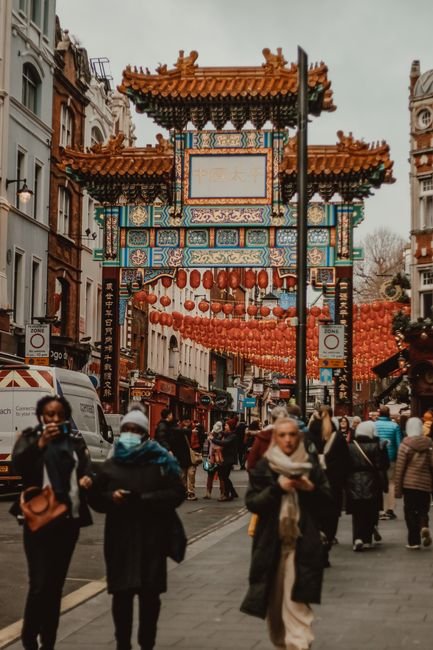
things to do in chinatown san francisco include tasting handmade fortune cookies, exploring historic alleys, and visiting one of the oldest Chinatowns in the United States. This compact neighborhood in San Francisco, California, is easy to explore on foot and full of local history, food, and everyday city life.
Whether you have a few hours or a full day, Chinatown rewards slow wandering. Come for its landmark Dragon Gate, then take time to look into side streets, browse markets, and try a meal that goes beyond the dishes you already know.
This guide covers what to see, where to eat, how to get around, and what to know before you visit. The neighborhood is hilly at its edges, busy around popular streets, and best enjoyed with comfortable shoes and a flexible plan.
20 Things to Do in Chinatown San Francisco
Use this quick guide to choose stops that fit your schedule. Opening hours, tours, and business availability can change, so check directly before making a special trip.
| Experience | Best for | Practical note |
|---|---|---|
| Dragon Gate and Grant Avenue | First-time visitors | Start near Bush Street and walk north |
| Historic alleys and Waverly Place | Architecture and photos | Keep voices low in residential areas |
| Food markets and bakeries | Snacks and budget-friendly stops | Bring cash as a backup |
| Chinese Historical Society of America | Local history and culture | Check current hours and exhibitions |
| Portsmouth Square | A quiet break and people-watching | Use normal city awareness with belongings |
Tip 1 – Walk through Dragon Gate and along Grant Avenue

Dragon Gate, at the intersection of Bush Street and Grant Avenue, is a classic starting point for a Chinatown visit. Its stone lions and traditional design make it one of the neighborhood’s best-known landmarks. From there, Grant Avenue leads north past souvenir shops, tea stores, bakeries, and restaurants.
Grant Avenue is especially lively, but it is also one of the busiest streets for visitors. Pause to browse, and be mindful of people moving along the sidewalk. For background on local attractions and visitor information, check San Francisco Travel’s official visitor guide.
Tip 2 – Explore Stockton Street for everyday Chinatown
For a more local-feeling shopping street, walk over to Stockton Street. Produce stands, bakeries, grocery shops, and restaurants serve residents as well as visitors. The sidewalks can feel crowded, and shop displays may spill toward the street, so take your time and watch for traffic when crossing.
Stockton is a good place to notice the neighborhood’s daily rhythm. You may see people picking up groceries, meeting friends, or stopping for a quick meal. If you want to buy fruit or snacks, ask the price before choosing items sold by weight.
Tip 3 – Find the historic lanes and small courtyards

Chinatown’s narrow lanes make a pleasant change from its busier main streets. Ross Alley is a short, atmospheric passage, while nearby alleys and courtyards reveal older buildings, murals, and small businesses. They are easy to miss if you stick only to Grant Avenue.
Some lanes are quiet residential spaces rather than visitor attractions. Keep noise down, do not block doorways, and ask before photographing people or private interiors. A little courtesy makes exploring Chinatown more enjoyable for everyone.
Tip 4 – Visit Waverly Place and look up
Waverly Place is known for its colorful building facades, balconies, and historic associations. It is a good street for a slow walk and architectural details. Look up as you go, but also keep an eye on the pavement and other pedestrians.
The street is sometimes described as the “Street of the Painted Balconies.” It is also a living part of Chinatown, not a set built for visitors. Be respectful when taking photographs, particularly near homes and community spaces.
Tip 5 – Stop at Portsmouth Square
Portsmouth Square is a useful place to take a breather between sightseeing stops. The park has long been an important gathering place for the neighborhood, and you may see people practicing tai chi, playing games, or chatting with friends.
It is a compact urban park rather than a formal garden, so set expectations accordingly. Find a bench, enjoy a snack, and observe daily life. As in any busy city park, keep valuables secure and stay aware of your surroundings.
Tip 6 – Learn local history at the Chinese Historical Society of America
The Chinese Historical Society of America Museum offers a deeper look at Chinese American history, including the experience of Chinese communities in San Francisco. It is a worthwhile stop if you want context beyond the architecture and food.
Exhibitions, admission details, and opening hours can vary. Check the Chinese Historical Society of America website before you go, especially if the museum is an important part of your itinerary.
Tip 7 – Watch fortune cookies being made

The Golden Gate Fortune Cookie Factory in Ross Alley is a tiny, memorable stop where you can see fortune cookies being shaped by hand when production is underway. The space is small, and visitors may need to wait outside during busy periods.
Bring a little cash in case you want to buy cookies, and check current access details before setting out. It is a quick visit rather than a large attraction, but it gives you a close-up look at a familiar treat being made.
Tip 8 – Try dim sum for breakfast or lunch
Dim sum is one of the most satisfying ways to eat in Chinatown. Look for steamed dumplings, buns, rice rolls, and other small plates, then order a few items to share. Some restaurants offer cart service, while others take orders from a menu.
Popular places can be busy around mealtimes, and not every restaurant has the same ordering style. If you are unsure what a dish contains, point to the menu or ask a staff member. Visitors with dietary restrictions should confirm ingredients, since stocks, sauces, and fillings can vary.
Tip 9 – Make time for a bakery stop
Chinatown bakeries are handy for an affordable breakfast or an afternoon snack. Depending on the shop, you may find egg tarts, pineapple buns, sponge cakes, sesame balls, and savory pastries. Choose a couple of items to share if you want to sample more than one flavor.
Counter service is often quick, but popular items can sell out. Carry napkins and be prepared for limited seating. If a bakery is crowded, step aside after ordering so other customers can reach the counter.
Tip 10 – Browse a tea shop and ask for a recommendation

Tea shops offer a chance to try or buy Chinese teas, from fragrant jasmine blends to oolong and pu-erh. If you are new to tea, say what flavors you like and ask for a simple suggestion. Staff may be able to explain how a tea is brewed and stored.
Prices can vary by tea type and quality, so check the cost before choosing a larger quantity. A small purchase makes a good souvenir, but tea is also a useful way to support independent neighborhood businesses.
Tip 11 – Visit a temple respectfully
Chinatown has religious and community spaces that are important to local residents. If a temple is open to visitors, follow posted instructions, speak quietly, and avoid interrupting worship. Photography may be restricted, so look for signs or ask before taking pictures.
Do not assume every religious building is a tourist attraction or open to the public. If you are uncertain, admire the exterior and give people space to enter and leave.
Tip 12 – Shop for snacks, herbs, and everyday goods
Small markets and specialty shops sell ingredients, snacks, household goods, and gifts that can be hard to find elsewhere. Browsing is part of the experience, even if you do not plan to buy much. If you are purchasing packaged food, check the label and whether it can be carried across borders when you return home.
Be considerate when taking photos inside shops. Ask first, and avoid handling products unless you intend to buy them. A friendly greeting and a calm pace go a long way in busy stores.
Tip 13 – Follow the Chinatown Mural Trail

Murals across Chinatown tell stories about community, migration, and neighborhood life. Look for artwork as you move between Grant Avenue, the alleys, and nearby public spaces. Rather than rushing from one mural to another, take time to read any accompanying signs or descriptions.
Murals and public art can change over time, so treat this as a flexible walking activity rather than a fixed checklist. You can combine it with a food stop or a visit to the Chinese Historical Society of America.
Tip 14 – Take a guided walking tour
A local guide can help explain the history behind buildings, businesses, and community traditions that might otherwise pass unnoticed. Tours may focus on food, architecture, or Chinese American history. Check what is included, how long the walk lasts, and whether the route has steep sections.
Book ahead if a tour has limited places, and choose a group size and pace that suit you. If you prefer to explore independently, plan a few stops and leave room for unplanned discoveries.
Tip 15 – Look for family-friendly stops
Families can keep a Chinatown visit engaging with a mix of short walks, bakery treats, murals, and time in Portsmouth Square. Children may enjoy watching fortune cookies being shaped or choosing a snack from a bakery counter.
Sidewalks can be crowded, and some streets have steep slopes. Keep young children close near intersections and allow extra time between stops. A shorter visit with a food break is often more comfortable than trying to see everything at once.
Tip 16 – Find budget-friendly things to do in Chinatown San Francisco
Many of the best things to do in Chinatown San Francisco cost little or nothing. Walking the streets, looking at the architecture, browsing shop windows, and spending time in Portsmouth Square can fill several hours without an admission ticket.
For a lower-cost meal, consider sharing bakery items or ordering a few dishes together instead of choosing a large individual meal. Check prices before ordering, and carry a reusable water bottle. Museum admission and tour costs vary, so confirm them in advance.
Tip 17 – Choose the right time to visit
Chinatown is active throughout the year, but the feel of a visit depends on the day and time. Weekends and lunch hours are often busier. A weekday morning can be a calmer time to browse, while late afternoon gives you a chance to explore before dinner.
Weather in San Francisco can change quickly, even in the warmer months. Check the forecast, bring a light layer, and expect fog or cool breezes at times. Lunar New Year and other cultural celebrations can bring special events and large crowds, so plan transport and timing accordingly.
Tip 18 – Use public transport and plan for hills
Chinatown is served by San Francisco’s public transport network, and several bus routes stop nearby. The Powell-Mason cable car line also serves the neighborhood, with stops near Chinatown. Routes, service, and fares can change, so check the San Francisco Municipal Transportation Agency website before you travel.
Walking is convenient within the central neighborhood, but streets rise steeply as you approach Nob Hill and other nearby areas. Wear comfortable shoes and use a transit option for the uphill leg if needed. A contactless payment option or transit card can make local journeys simpler.
Tip 19 – Stay aware, pack lightly, and use practical apps
Chinatown is a busy urban neighborhood. Keep your phone and wallet secure, stay alert at crossings, and avoid leaving bags unattended. If you need emergency help in the United States, call 911. For non-urgent concerns, ask your hotel or a local business for guidance.
A maps app, a transit app, and a translation app can be useful, particularly if you are visiting from outside the United States. Download maps before you set out if you expect to have limited data. Pack comfortable walking shoes, a light jacket, and a small bag that zips closed.
Tip 20 – Make a flexible half-day itinerary
A simple route is to begin at Dragon Gate, walk north along Grant Avenue, explore a few alleys, stop for a bakery snack, and continue to Stockton Street or Portsmouth Square. Add a museum visit, tea shop, or meal depending on your interests and how much time you have.
Do not try to squeeze in every stop. Chinatown works best when you leave time to browse and eat without watching the clock. If you are planning a wider trip beyond California, you may also enjoy this guide to 20 Fun and Best things to do in charles town wv for ideas in another U.S. destination.
Visa & Entry Requirements
San Francisco is in the United States, and entry requirements depend on the passport you travel with and the rules in force when you visit. Visa, passport-validity, authorization, vaccination, customs, and length-of-stay rules can differ by traveler. Check the official U.S. government guidance well before booking, and confirm it again shortly before departure.
Some travelers need a visitor visa, while eligible travelers may be able to travel under the Visa Waiver Program after obtaining an approved Electronic System for Travel Authorization (ESTA). ESTA is not a visa, and eligibility depends on the traveler’s circumstances and nationality. Do not assume that a visa or authorization will guarantee entry. Admission decisions are made by U.S. officials at the port of entry.
Review the U.S. Department of State visa information and the U.S. Customs and Border Protection guidance for international visitors. These official sources explain entry processes and can direct you to the right information for your situation. For ESTA, use the official U.S. government site linked from the relevant government guidance, and avoid unofficial sites that charge extra fees.
Before you leave, check that your passport is valid for the period required for your trip and has any necessary blank pages. Confirm whether you need a visa or electronic travel authorization, and carry details of your return or onward travel and accommodation in case officials request them. Consider travel insurance that suits your plans, since medical care in the United States can be expensive.
Check current rules for medicines, food, gifts, and other items you plan to bring into the country. Customs declarations may be required, and some goods are restricted. Vaccination requirements and rules for permitted stays can change, so rely on current official advice rather than a social media post or an old travel article. This information is general guidance, not legal advice, and it cannot replace instructions from U.S. authorities or an embassy.
Frequently Asked Questions
How long should I spend in Chinatown San Francisco?
Allow two to four hours for a walk, a snack or meal, and a few historic stops. A half day gives you more time for a museum, a guided tour, or a relaxed meal. If you are visiting during a festival or want to browse shops in depth, plan longer.
What are the best things to do in Chinatown San Francisco for first-time visitors?
Start at Dragon Gate, walk along Grant Avenue, explore a few alleys, and try dim sum or a bakery snack. Add Portsmouth Square or the Chinese Historical Society of America if you want a break or more historical context.
Is Chinatown San Francisco walkable?
The central streets are walkable, and many attractions are close together. However, sidewalks can be crowded and the neighborhood’s edges are steep. Wear comfortable shoes, allow extra time, and use public transport if you want to avoid an uphill walk.
When is the best time to visit Chinatown?
Weekday mornings are often less crowded than weekend afternoons and busy lunch periods. San Francisco weather can be cool or foggy at any time of year, so bring a light layer. During Lunar New Year celebrations, expect special events as well as larger crowds.
Is Chinatown San Francisco good for families?
Yes. Families can enjoy short walks, murals, bakeries, markets, and watching fortune cookies being made. Keep children close around crowded sidewalks and busy intersections, and plan breaks rather than attempting a long, steep walking route.
What is the most common tourist mistake in Chinatown?
One common mistake is staying only on Grant Avenue and treating the neighborhood as a quick photo stop. Spend time on Stockton Street and the side lanes too, and be respectful of residential spaces. Another useful habit is checking current hours before traveling to a particular shop or museum.
Do I need cash in Chinatown San Francisco?
Many businesses accept cards, but it is useful to carry a small amount of cash as a backup, particularly for small purchases. Payment options differ by business, so check before ordering or buying something.
Conclusion
Chinatown is one of San Francisco’s most rewarding neighborhoods for a day of walking, eating, and learning. Its landmark gateway, busy markets, historic lanes, museums, and small food shops offer plenty to explore in a relatively compact area.
Keep your plan flexible, wear comfortable shoes, and take time to notice the neighborhood beyond its most photographed streets. With a little preparation and a respectful approach, the many things to do in Chinatown San Francisco can make a memorable part of your visit to the United States.
1 thought on “20 Fun and Best things to do in chinatown san francisco”