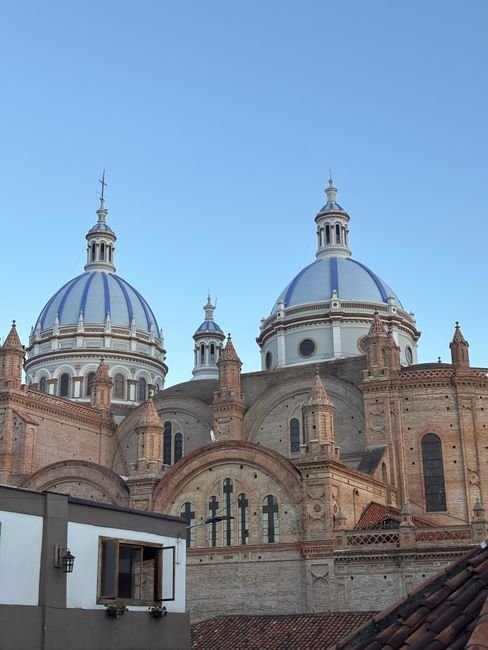
things to do in cuenca ecuador range from exploring a UNESCO-listed historic center to tasting local food and walking beside the Tomebamba River. Cuenca is a beautiful highland city in southern Ecuador, known for its blue-domed cathedral, red-tile roofs, lively markets, and relaxed pace.
The city sits at about 2,560 meters (8,400 feet) above sea level, so take your first day slowly if you have just arrived. Give yourself time to adjust, drink water, and enjoy the historic center on foot before planning longer outings.
This guide covers the best sights, local experiences, food, transport, and practical details for a first visit. Whether you have one day or a long weekend, these ideas will help you make the most of Cuenca.
20 Things to Do in Cuenca Ecuador
Cuenca is compact enough to explore at a leisurely pace, but its museums, markets, viewpoints, and nearby nature deserve more than a rushed stop. Use these tips to build an itinerary that suits your interests and energy.
| Quick detail | What to know |
|---|---|
| Country | Ecuador |
| Altitude | About 2,560 meters (8,400 feet) |
| Best for | Historic architecture, museums, markets, food, and outdoor day trips |
| Getting around | Walk in the center, use the tram and local buses, or take registered taxis |
| Useful currency | US dollar |
| Time to allow | Two or three days for the city, longer if visiting Cajas National Park |
Tip 1 – Explore Cuenca’s Historic Center on Foot

Start around Parque Calderón, the main square at the heart of Cuenca’s historic center. From here, you can easily reach churches, museums, traditional homes, cafes, and small plazas along cobbled streets.
Wear comfortable shoes, since some sidewalks are uneven and the streets can be steep in places. A self-guided walk is easy to manage, but a local guide can add useful context about the city’s history and architecture.
Tip 2 – Visit the New Cathedral and Parque Calderón
The blue domes of the New Cathedral, officially the Cathedral of the Immaculate Conception, are among Cuenca’s most recognizable sights. Step inside to see the scale of the church, then spend time in Parque Calderón, where locals meet and street sellers pass through.
Check current opening times before planning a tower visit, as access and schedules can change. Dress respectfully when entering places of worship, and avoid sightseeing during services unless you are attending.
Tip 3 – Walk Along the Tomebamba River

The Tomebamba River runs just south of the historic center, with paths and bridges that make for a pleasant break from museum visits. Walk along the riverbanks, look back toward the old town, and explore the traditional houses near the water.
The route can be slippery after rain, so take care on steps and stone paths. It is a lovely place for a relaxed daytime walk, but keep an eye on your belongings as you would in any city.
Tip 4 – Browse the Flower Market
Cuenca’s flower market, beside the New Cathedral, is a colorful place to see local vendors at work. You will find fresh flowers arranged in buckets and bouquets, with plenty of lively details for photography.
Ask before taking close-up photographs of vendors or shoppers. A small purchase is a nice way to support the sellers, but you do not need to buy anything to enjoy the market.
Tip 5 – See the Old Cathedral and Its Museum
The Old Cathedral, also known as El Sagrario, stands across from Parque Calderón and offers a different perspective on the city’s religious history. Its interior and museum spaces can help explain how the historic center developed over time.
Opening hours and access may vary, especially on religious holidays. Check locally before you go, and consider pairing the visit with the New Cathedral for a useful architectural contrast.
Tip 6 – Spend Time at the Pumapungo Museum
Pumapungo combines an archaeological museum with exhibits about Ecuador’s Indigenous cultures and history. The grounds also include archaeological remains and gardens, giving you a change of pace from the colonial streets.
Allow a couple of hours if you like museums, and check current visiting information before setting out. The exhibits provide helpful background for understanding the region beyond its historic buildings.
Tip 7 – Visit a Panama Hat Workshop or Museum
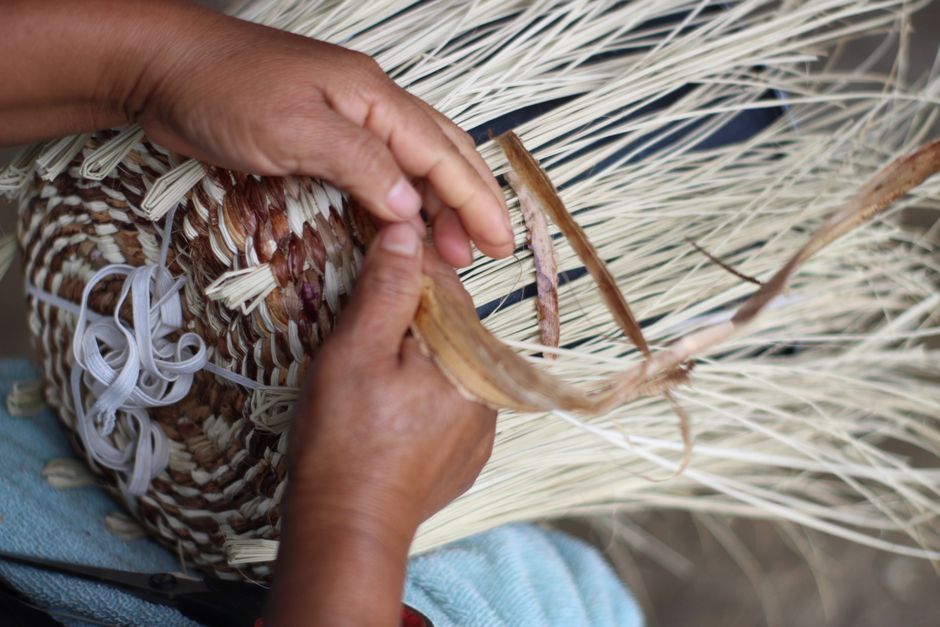
Despite the name, the famous Panama hat is closely associated with Ecuador, and Cuenca is an important center for its production. Visit a workshop or hat museum to learn how the hats are woven and shaped by hand.
Prices vary widely depending on the weave, finish, and time involved. Ask about the grade and care of a hat before buying, and remember that a very fine weave usually costs more.
Tip 8 – Try Local Food at a Market
Markets such as Mercado 10 de Agosto are good places to see everyday food culture and try a simple, filling meal. Look for soups, fresh juice, roasted meats, and local dishes such as mote pillo, a preparation of hominy corn with egg.
Choose busy stalls where food is prepared and served regularly. If you have a sensitive stomach, start with cooked dishes and fruit you can peel yourself, and ask what is in a dish if you have dietary restrictions.
Tip 9 – Taste Cuenca’s Traditional Drinks and Sweets
Try a canelazo, a warm spiced drink often made with fruit, cinnamon, and aguardiente, or choose a non-alcoholic version if available. Local bakeries and cafes also offer sweets and pastries that make an easy afternoon treat.
Ask about ingredients before ordering, particularly if you avoid alcohol or have food allergies. Cuenca’s cafes are also a comfortable place to rest and adjust to the altitude.
Tip 10 – Take the Tram for a Local City Ride

Cuenca’s tram, known as Tranvía de Cuenca, links parts of the city and can be useful for reaching areas beyond the main historic-center walking zone. It is also an easy way to experience local transport rather than relying on taxis for every trip.
Check current routes, fares, and payment instructions through local official information before travelling. Stay alert at platforms and keep your belongings close during busy periods.
Tip 11 – Visit a Local Market for Crafts and Everyday Life
Cuenca’s markets offer more than food. Browse for woven goods, everyday household items, flowers, and regional produce, while getting a feel for the city’s daily rhythm.
Prices may be fixed in some shops and negotiable in others, so ask politely rather than assuming. If you are shopping for textiles or souvenirs, compare a few stalls and carry small bills.
Tip 12 – Enjoy the View from Turi
The Turi viewpoint, on a hill south of the center, gives you a broad view across Cuenca’s rooftops and surrounding hills. Go in daylight for clear views, or near sunset when the city lights begin to come on.
You can reach the area by taxi or local transport, though the walk uphill is a workout at altitude. If you choose to walk, allow extra time and take water. Return by a registered taxi or another trusted option after dark.
Tip 13 – Make Time for Cajas National Park

Cajas National Park is a rewarding day trip from Cuenca, known for high-altitude lakes, open páramo, and cool, changeable weather. Choose a route that matches your fitness and experience rather than trying to cover too much in one visit.
Conditions can shift quickly, and the park’s elevation is higher than Cuenca’s. Bring warm layers, waterproof clothing, sturdy footwear, water, and snacks. Check current park access and transport arrangements before leaving the city.
Tip 14 – Visit Nearby Gualaceo or Chordeleg
If you have an extra day, consider a trip to Gualaceo or Chordeleg, two towns in Azuay Province known for crafts and regional character. Chordeleg is especially associated with jewelry and silverwork, while Gualaceo has markets and traditional food.
These are separate towns, not neighborhoods of Cuenca, so allow time for transport. Check bus schedules or arrange a reputable local tour, and confirm the return journey before you set off.
Tip 15 – Take a Break in a Historic Cafe
Cuenca has inviting cafes tucked into old buildings and quiet side streets. Stop for Ecuadorian coffee, a pastry, or a light lunch between sightseeing stops, and take a moment to enjoy the slower pace.
Many cafes have limited seating or different hours on weekends. If you need a reliable place to work or use Wi-Fi, ask staff about the connection and whether there is a time limit.
Tip 16 – Explore the San Sebastián Neighborhood
San Sebastián, west of the central square, is known for its church, small plaza, and nearby cultural spaces. It is a pleasant area to explore on foot and can feel quieter than the busiest streets around Parque Calderón.
Combine it with a walk through nearby streets and a cafe stop. Keep an eye on the time and take the usual city precautions, particularly if you are walking back after dark.
Tip 17 – Look for Cuenca’s Street Art and Local Galleries
As you walk around the center and its surrounding neighborhoods, look for murals, small galleries, and independent craft shops. These give you another way to connect with contemporary Cuenca, beyond its churches and colonial buildings.
Gallery hours can be irregular, so check ahead if you have a particular place in mind. Ask before photographing artwork inside a shop or gallery.
Tip 18 – Plan a Family-Friendly, Low-Cost Day
Families can keep the day simple with Parque Calderón, a riverside walk, a market visit, and a stop for ice cream or pastries. These activities are easy to adjust around children and do not require a packed schedule.
Cuenca’s altitude can affect children as well as adults, so plan breaks and keep everyone hydrated. For a lower-cost day, focus on public spaces and choose one paid museum rather than trying to fit in several attractions.
Tip 19 – Choose the Right Season and Pack for Changeable Weather
Cuenca has a mild highland climate, but weather can change within a day. The drier months are often considered a good time for outdoor plans, while rain can occur at other times of year. Check a current forecast rather than relying only on seasonal averages.
Pack layers, a light waterproof jacket, sun protection, and comfortable shoes. The sun can feel strong at altitude even when the air is cool, and evenings are often chilly.
Tip 20 – Avoid the Most Common Tourist Mistake
The most common mistake is trying to see Cuenca and its nearby attractions too quickly. Visitors sometimes pack the historic center, museums, Turi, and Cajas into one day, leaving little time to adjust to the altitude or enjoy the city.
Stay at least two nights if you can. Choose a few priorities each day, leave room for rest, and confirm transport and opening times before heading out to a more distant attraction.
Practical Travel Tips for Cuenca
Best Time to Visit Cuenca
Cuenca can be visited throughout the year. For outdoor walks and day trips, look at the local forecast and build flexibility into your plans, since showers and cooler spells are possible. Public holidays and local celebrations can bring events and crowds, so check dates if you prefer a quieter visit.
Getting Around the City
The historic center is easiest to explore on foot. For longer journeys, Cuenca has a tram system, local buses, and taxis. Confirm the route and fare before travelling, and use a registered taxi or a ride arranged by your hotel when you need one.
If you are arriving from another part of Ecuador, compare flight and bus schedules in advance. The city’s airport is close to the center, but journey times can vary with traffic and your final destination.
Where to Stay
Staying in or near the historic center makes it easy to reach major sights, cafes, and restaurants on foot. A quieter neighborhood can offer a more residential feel, but check how easy it will be to reach the center by tram, bus, or taxi.
For an introduction to what makes smaller destinations rewarding to explore, you may also enjoy this guide to 20 Fun and Best things to do in calabash nc.
Safety, Useful Apps, and Emergency Planning
Cuenca is a popular visitor destination, but ordinary precautions still matter. Keep valuables discreet, use well-lit streets after dark, and be careful with phones near busy roads. Carry a copy of your passport details separately from the original, and keep emergency contacts saved offline.
Download an offline map before exploring, and check current tram or bus information through official local sources. A translation app can help with menus and directions, though a few Spanish phrases are often even more useful. In an emergency, contact local authorities or ask your accommodation to help connect you with the appropriate service.
Useful Spanish Phrases and Local Customs
- Hola: Hello.
- Por favor: Please.
- Gracias: Thank you.
- ¿Cuánto cuesta?: How much does it cost?
- ¿Dónde está el tranvía?: Where is the tram?
- La cuenta, por favor: The bill, please.
Greet people politely when entering a small shop or speaking with a vendor. Ask before taking someone’s photo, and dress respectfully when visiting churches. Tipping is appreciated in many restaurants, but check the bill to see whether a service charge has already been added.
What to Pack and Book Ahead
Pack comfortable walking shoes, a warm layer, a light rain jacket, sun protection, and any personal medication you need. Because of the altitude, avoid planning strenuous activities immediately after arrival.
You can usually explore the historic center without booking far ahead. For guided tours, special workshops, popular holiday periods, or a Cajas outing with transport, confirm details in advance. Check cancellation terms and clarify what is included before paying.
Visa & Entry Requirements
Entry requirements for Ecuador depend on the passport you hold and the rules in force when you travel. Visa requirements, passport-validity rules, permitted length of stay, and any electronic travel authorization requirements are not the same for every traveler. Check the current information for your nationality before booking, and confirm it again shortly before departure.
Use Ecuador’s official Ministry of Foreign Affairs and Human Mobility website and the national Ecuador government services portal to find current visa and entry guidance. If the information is unclear, contact the nearest Ecuadorian embassy or consulate. Do not rely only on an airline, travel forum, or an old blog post for a final decision.
Check that your passport meets the validity rules that apply to your specific case and has enough blank pages for travel formalities. If you need a visa or electronic authorization, verify how to apply, how long processing may take, and whether you must carry printed or digital proof. Border officials may ask about your onward or return travel and where you plan to stay, so keep relevant booking details accessible.
Review current customs rules before packing restricted goods, food, medicines, or large amounts of cash. Customs declarations may be required in some situations, and travelers should check the official instructions that apply to their belongings. Vaccination recommendations or entry requirements can also change, so consult government health guidance and speak with a healthcare professional if you have questions about your personal needs.
Travel insurance is worth considering for medical care, trip interruption, and outdoor activities. Confirm that your policy covers the activities you plan to do, including high-altitude walks if relevant. These checks are practical preparation, not legal advice or a guarantee of admission. The final decision rests with Ecuador’s authorities under the policy in effect on your travel date.
Frequently Asked Questions About Things to Do in Cuenca Ecuador
How many days do you need in Cuenca?
Two or three days gives you time to explore the historic center, visit a museum, try local food, and enjoy the river and viewpoints. Add another day if you want to visit Cajas National Park or a nearby town.
What are the best things to do in Cuenca Ecuador for first-time visitors?
Start with Parque Calderón and the New Cathedral, walk through the historic center, visit the flower market, and follow a section of the Tomebamba River. If you have more time, add Pumapungo or a trip to Cajas National Park.
Is Cuenca, Ecuador, safe for tourists?
Many visitors explore Cuenca without problems, but no city is risk-free. Keep valuables secure, stay aware in crowded places, use trusted transport at night, and follow current local safety advice.
Is Cuenca worth visiting?
Yes, especially if you enjoy historic architecture, museums, local markets, and a slower pace than Ecuador’s larger cities. Its location also makes it a useful base for a visit to Cajas National Park and other destinations in Azuay Province.
What food should I try in Cuenca?
Try mote pillo, market soups, fresh juice, and traditional sweets. Menus vary by restaurant, so ask about ingredients and choose busy food stalls if you are eating at a market.
Can you visit Cajas National Park from Cuenca in one day?
Yes, Cajas is a popular day trip from Cuenca. Start early, check the weather and access information, and choose a route that suits your fitness. The park is at high elevation, so take warm clothing, water, and time to adjust.
What is the best way to get around Cuenca?
Walk around the historic center and use the tram, buses, or taxis for longer trips. Check current routes and fares, and arrange a trusted ride if you are returning after dark.
What should I pack for Cuenca?
Bring comfortable walking shoes, layers, a waterproof jacket, sun protection, and any personal medication. The weather can change during the day, and the altitude makes it sensible to take your time.
Conclusion: Make the Most of Your Visit to Cuenca
The best things to do in Cuenca Ecuador combine its historic center with everyday local life. Walk beside the Tomebamba, take time in a market, visit a museum, and leave room for a cafe stop or a slow afternoon in a plaza.
Plan around the altitude and changeable weather, and avoid squeezing too many outings into one day. With a little flexibility, Cuenca is a rewarding place to explore and an excellent base for seeing more of southern Ecuador.
For official background on the city’s heritage and travel information, see UNESCO’s page on the historic center of Santa Ana de los Ríos de Cuenca, Ecuador’s official tourism website, and the Municipality of Cuenca website.
1 thought on “20 Fun and Best things to do in cuenca ecuador”