things to do in japan with kids range from riding a bullet train to feeding deer in Nara, and the variety makes Japan a rewarding family destination. The country is clean, well connected, and full of experiences that appeal to different ages.
Japan is not a single city, so this guide covers family-friendly stops around the country, including Tokyo, Kyoto, Osaka, Nara, and Hakone. You do not need to visit them all. Choosing two or three areas usually makes a more comfortable trip, especially with younger children.
Plan around your family’s pace, leave time for meals and rest, and check attraction details before you go. Opening hours, seasonal events, and ticket rules can change.
20 Things to Do in Japan with Kids
These ideas mix famous sights with slower days, hands-on activities, and practical travel tips. Pick the ones that suit your children’s ages and interests.
Tip 1 – See Tokyo from above at Tokyo Skytree

Tokyo Skytree gives children a clear view of the city from its observation decks. On a clear day, you may see far across the skyline, and the lower shopping and dining complex makes it easy to add a meal or a break indoors.
Book timed admission ahead if you are visiting on a busy weekend or holiday. The views are weather dependent, so keep a flexible alternative nearby, such as the Sumida Aquarium. Check the Tokyo Skytree official visitor information for current hours and ticket details.
Tip 2 – Spend a full day at Tokyo Disneyland or DisneySea
Tokyo Disneyland and Tokyo DisneySea are separate parks beside Tokyo Bay. Disneyland suits families looking for classic characters and familiar rides. DisneySea has a more distinctive setting and attractions that often appeal to older children and adults.
Both parks can be tiring, especially with long queues and lots of walking. Check current ticket rules and ride restrictions, plan a quiet break, and choose one park rather than trying to do both in a single day. Visit the Tokyo Disney Resort official site to plan admission and park visits.
Tip 3 – Explore teamLab Planets in Tokyo

At teamLab Planets, visitors walk through immersive digital art installations, including rooms with reflective surfaces and water. It can be a memorable choice for school-age children and teens who enjoy interactive exhibits.
Some areas involve walking barefoot or through shallow water, so check the current visitor guidance before booking. Advance tickets are sensible during popular travel periods. If anyone in your group is sensitive to darkness, reflections, or busy visual effects, review the experience details first.
Tip 4 – Visit Ueno Park and its museums
Ueno Park is a useful place to combine outdoor time with a museum visit. The National Museum of Nature and Science has exhibits that can interest children, while the park itself offers space to walk between stops. Nearby Ueno Zoo is another option, though animal exhibits and facilities can vary.
Choose one main attraction rather than trying to cover everything. The park is particularly pleasant during spring blossoms, but popular areas can be crowded. Check museum closing days and current exhibits before setting out.
Tip 5 – Try a hands-on activity in Tokyo
Give children a break from looking at buildings by booking a practical activity. Depending on what is available, families can try a cooking class, make sushi, learn simple origami, or join a craft workshop. Lessons designed for visitors often offer English support, but confirm the language and age requirements before paying.
Book ahead for small-group sessions, and check whether the price includes ingredients or materials. If you want a convenient day out with children closer to home as well, you can browse these 20 fun and best things to do in Schaumburg, Illinois.
Tip 6 – Wander through Asakusa and Sensō-ji
Asakusa offers an accessible introduction to traditional Tokyo. Walk through the busy Nakamise shopping street toward Sensō-ji, browse the small stalls, and take time to notice the temple grounds. The area is lively and can feel crowded, so keep children close around the shopping street and road crossings.
Visit early for a calmer walk, or come later if your family prefers a livelier atmosphere. Be respectful at religious sites, follow posted guidance, and avoid blocking paths while taking photos.
Tip 7 – Meet the deer in Nara Park

Nara Park is famous for its free-roaming deer and is an easy day trip from Kyoto or Osaka. Children often enjoy seeing the deer, but they are wild animals, not pets. Buy deer crackers only from authorized sellers, follow local signs, and put food away when you have finished.
Some deer may approach, tug at bags, or become excited around food. Keep a calm distance and supervise children closely. The park also includes temples and broad walking paths, so wear comfortable shoes and allow time for breaks.
Tip 8 – Visit Kyoto’s bamboo grove early
Arashiyama’s bamboo grove is a well-known Kyoto walk. The tall bamboo is striking, but the main path can be crowded and the walk itself is shorter than many first-time visitors expect. Arrive early, explore quieter lanes nearby, or pair the visit with a riverside stroll.
Make the trip about the wider area rather than expecting a long attraction. Check transport options before leaving, as Kyoto buses can become busy during peak sightseeing times.
Tip 9 – Choose one or two Kyoto temples
Kyoto has many temples and shrines, but children may lose interest if every day includes several similar visits. Choose a small number that match your family’s interests. Kiyomizu-dera has broad city views, while Fushimi Inari Taisha is known for its long pathways through red torii gates.
Fushimi Inari’s full mountain route is a substantial walk with stairs and uneven sections. Families can turn around whenever they like rather than aiming for the top. Bring water, especially in warm weather.
Tip 10 – Make a meal stop at Osaka’s Dotonbori

Dotonbori is a lively Osaka area known for bright signs and casual food. It is a fun place to sample takoyaki, okonomiyaki, or other local dishes, but the busiest streets can be crowded and noisy. Visit earlier in the evening if your children do better before late-night crowds build.
Some foods contain unfamiliar ingredients or may be served hot from the grill. Ask about allergens and let food cool before children eat. For a quieter meal, walk a little away from the busiest canal-side streets.
Tip 11 – Spend a day at Universal Studios Japan
Universal Studios Japan in Osaka is a major family attraction, with themed areas and rides for a range of ages. It can take a full day, and popular attractions may involve long waits. Check height restrictions and ticket options before you go so you can choose experiences that suit your children.
Arrive with a plan, but leave room for breaks and snacks. Park details and admission arrangements can change, so confirm the latest information through the official site before your visit.
Tip 12 – Take a bullet train ride between regions
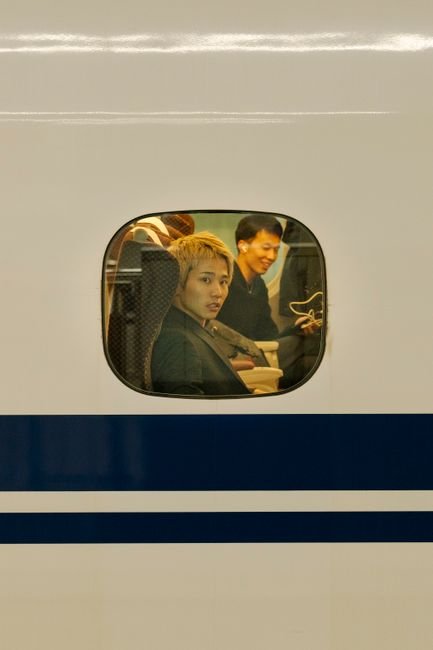
For many children, riding a shinkansen is an attraction in itself. The trains connect major destinations quickly and offer a comfortable way to travel between cities. Reserve seats when appropriate for your route and travel dates, and check luggage rules if you have large bags.
Buy snacks before boarding and explain that stations can be busy. Not every journey requires a rail pass, so compare the cost of individual tickets with current pass options before deciding.
Tip 13 – Add a relaxing stop in Hakone

Hakone is a popular area for hot springs, mountain scenery, and views of Mount Fuji when conditions allow. Families can choose a boat ride on Lake Ashi or visit an open-air museum, then stay overnight in a family-friendly inn if the budget allows.
Fuji views are never guaranteed, and weather can affect transport and outdoor plans. Check the forecast and local service updates. If you are considering an onsen, ask the accommodation about its bathing rules and whether children are welcome.
Tip 14 – Take a break at an aquarium
Japan has aquariums in several major cities, including Tokyo, Osaka, and Kyoto. They can be a helpful indoor option on a rainy day or when children need a slower activity. Choose one that fits your route rather than travelling across town just to visit a specific exhibit.
Check opening times, feeding schedules, and any exhibit closures. Weekends and school holidays may be busier, so arrive early or book where advance reservations are offered.
Tip 15 – Look for a family-friendly onsen stay
A traditional inn with a hot spring bath can be a memorable part of a Japan trip. Some inns offer private baths or rooms with their own bathing facilities, which may suit families more comfortably than shared bathing areas.
Rules differ by property, including policies for children and guests with tattoos. Ask before booking rather than assuming every onsen has the same requirements. Explain bathing etiquette to older children, and follow the accommodation’s instructions.
Tip 16 – Try Japanese convenience-store snacks and picnic food
Convenience stores are useful for quick breakfasts, drinks, fruit, and simple snacks. They can help families manage unpredictable hunger between attractions, and a picnic lunch can be a practical alternative to a sit-down meal.
Food labels may not be easy to interpret if you have allergies or dietary restrictions. Carry a translated allergy card, and ask staff for help when needed. Remember that eating while walking is not customary in every setting, so look for a bench or designated eating area.
Tip 17 – Explore a local market or shopping street
A covered shopping arcade or local market can be a relaxed way to see everyday life and try small snacks. Nishiki Market in Kyoto is popular with visitors, while many other towns have their own shotengai, or shopping streets.
Markets are often narrow and crowded, so keep children close and avoid stopping in the middle of busy walkways. Some stalls are best for browsing rather than eating, and vendors may have their own rules about photos.
Tip 18 – Plan around Japan’s seasons
Spring blossoms and autumn colors are beautiful, but they also bring heavy visitor numbers in popular places. Summer can be hot and humid, while winter is cold in many regions and brings snow to some areas. Each season offers different activities, so choose dates based on your family’s comfort as well as the scenery.
Build rest breaks into warm-weather days and carry water. In winter, pack layers and check local weather, especially if travelling to mountain areas. School holidays and national holiday periods can affect crowds and accommodation prices.
Tip 19 – Use trains and buses, but keep plans simple
Japan’s rail network makes it possible to visit many family attractions without renting a car. Use Google Maps or a reliable local route-planning app to check transfers, station exits, and service changes. Keep your destination written in Japanese as well as English when useful.
Large stations can be confusing, and some routes involve stairs or long walks between platforms. Allow extra transfer time with children and luggage. A taxi may be useful for a short final leg, but traffic and fares vary by place.
Tip 20 – Learn a few phrases and follow local customs
A few polite Japanese phrases can make everyday interactions easier. Try “sumimasen” for “excuse me” or “sorry,” “arigatō gozaimasu” for “thank you,” and “kore wa ikura desu ka?” for “how much is this?” A translation app can help with menus and directions.
Remove shoes where signs or hosts ask you to, keep voices low on public transport, and queue patiently. Japan is generally convenient for visitors, but not every station or attraction has the same family facilities. Check accessibility and changing facilities in advance if they are important to your trip.
Quick Reference for Family Travel in Japan
| Experience | Where | Best for | Practical note |
|---|---|---|---|
| City views | Tokyo Skytree | School-age children and teens | Check visibility and ticket availability |
| Theme parks | Tokyo or Osaka | Families who enjoy rides and characters | Plan for queues and a full day |
| Deer and temple grounds | Nara | Animal-loving children | Keep food put away and supervise closely |
| Food and bright city streets | Dotonbori, Osaka | Families who like trying local dishes | Visit before the late evening crowds |
| Hot springs and scenery | Hakone | Families seeking a slower overnight stop | Check onsen rules and weather conditions |
| Fast intercity travel | Shinkansen routes | Families moving between regions | Compare tickets and check luggage guidance |
Practical Tips for Visiting Japan with Children
Best time to visit Japan with kids
Spring and autumn are popular for mild weather and seasonal scenery, but famous areas can be crowded. Summer brings festivals and school holidays, along with heat and humidity. Winter can be a good choice for snow activities, while cities may be quieter outside holiday periods. Check local conditions for the specific regions on your itinerary.
Getting around and useful apps
Use route-planning apps to check train connections, station exits, and walking times. Google Maps is widely useful for general navigation, while Japan Travel by NAVITIME can help with transport planning. Download offline maps and save your hotel address before travelling. For long journeys, plan around naps, meal times, and the number of transfers your family can manage.
Food, budget, and bookings
Convenience stores, casual noodle shops, and food halls can make meals easier and more affordable. Restaurants may have limited space for strollers, and not every menu will have English descriptions. Check attraction booking rules in advance, especially for theme parks, popular museums, and timed-entry experiences.
Safety and emergency information
Japan is generally a comfortable destination for families, but busy stations, crossings, and crowded attractions still need care. Agree on a simple meeting point in case anyone gets separated. In Japan, call 110 for police and 119 for fire or ambulance services. Keep your accommodation address and emergency contact details accessible.
The most common tourist mistake
Trying to visit too many cities in a short trip is a common mistake. Frequent hotel changes, long transfers, and packed sightseeing days can leave children exhausted. Choose a few bases, allow unscheduled time, and treat a slower day as part of the holiday rather than a missed opportunity.
What to pack for Japan with children
- Comfortable walking shoes and weather-appropriate layers.
- A compact day bag with water, snacks, wipes, and any needed medication.
- A portable phone charger and saved hotel details.
- A translated allergy card if anyone has food allergies.
- A small amount of cash for places that do not accept cards.
Visa & Entry Requirements
Entry requirements for Japan depend on each traveler’s passport and the government policies in force at the time of travel. Visa-exemption arrangements, visa application steps, permitted activities, and allowed lengths of stay can differ by nationality and purpose of travel. A short family holiday may have different requirements from study, work, or an extended stay.
Before booking or departure, check Japan’s official immigration guidance and the Japanese embassy or consulate responsible for your place of residence. The Immigration Services Agency of Japan provides official information on immigration procedures. Use current government pages for the final decision, since rules and application processes can change.
Check the passport-validity requirements that apply to your circumstances, and make sure every child has their own required travel document. Confirm that passports have enough validity for the whole trip and any onward travel, and check whether blank pages are needed for visas or entry stamps. If an entry visa or electronic travel authorization applies to your passport, complete the correct process before travelling and allow enough time for processing.
Airlines or border officials may ask for evidence of onward or return travel, accommodation details, or information about the purpose of your visit. Keep hotel confirmations and transport bookings available. Travel insurance is worth considering for medical care, trip interruption, and lost belongings. Check whether your policy covers all family members and planned activities.
Vaccination, health, customs, and declaration rules can also depend on current Japanese policy and the traveler’s circumstances. Review official guidance for medicines, food, cash, and other items you plan to bring. Declare goods when required and do not assume that rules are the same as in your home country. This information is a planning checklist, not legal advice or a guarantee of entry. Confirm the final requirements through the relevant official Japanese government source before departure.
Frequently Asked Questions
Is Japan a good destination for a first family trip to Asia?
Japan can be a practical choice for a first family trip because major cities have extensive public transport, many visitor facilities, and a wide range of activities. The pace can still be demanding, so keep your itinerary manageable and check what services are available at each stop.
How many days do families need in Japan?
There is no single ideal length. A week can suit a focused Tokyo trip or a short Tokyo and Kyoto visit, while a longer stay allows more rest days and regional travel. Spend fewer nights changing hotels if you are travelling with young children.
What are the best things to do in Japan with kids on a rainy day?
Consider an aquarium, museum, indoor art experience, shopping complex, or a covered shopping arcade. Check opening hours and ticket availability before travelling, and keep a second option in mind in case your first choice is full.
Are the things to do in Japan with kids suitable for toddlers?
Many attractions can work for toddlers, but the amount of walking, stairs, and crowding varies. Parks, aquariums, and shorter temple visits may be easier than a full theme-park day. Check stroller access, changing facilities, and age policies before you go.
Is Japan expensive for a family holiday?
Costs depend on travel dates, accommodation, transport, and ticketed activities. Theme parks and central hotels can add up, while casual restaurants, convenience-store meals, and free parks can help balance the budget. Compare rail passes with individual fares rather than assuming a pass will save money.
What should families know about eating in Japan?
Japan has a wide range of food, from noodles and rice dishes to bakery snacks and familiar international meals. Menus and allergy information may not always be available in English. Carry a translated allergy card if needed, and ask staff about ingredients before ordering.
Conclusion
The best things to do in Japan with kids are the ones that fit your family’s ages, interests, and energy. A Tokyo viewpoint, a day with Nara’s deer, an Osaka food walk, or a calm stop in Hakone can each make a trip memorable without trying to see everything.
Choose a few destinations, book popular experiences ahead when needed, and leave room for rest and unexpected discoveries. With a flexible plan and practical preparation, Japan can be an exciting and rewarding family holiday.
1 thought on “20 Fun and Best things to do in japan with kids”