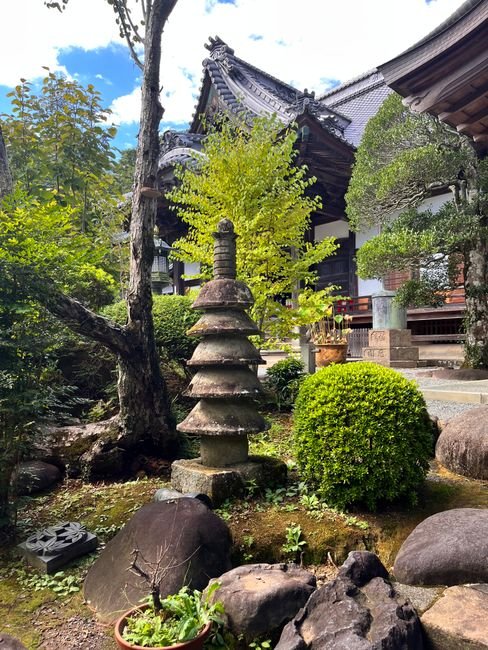
things to do in narita include visiting a historic temple, strolling a lively old-town street, and watching planes arrive near the airport. Narita is in Chiba Prefecture, Japan, and makes a rewarding stop before or after an international flight.
Many visitors know Narita only as the location of Tokyo’s main international airport. The city itself has a welcoming temple district, traditional food shops, peaceful gardens, and easy transport connections. You can enjoy its highlights in a few hours or stay overnight for a slower visit.
This guide covers the best things to do in Narita, with practical advice on transport, food, seasons, entry requirements, and how to make a short stop feel worthwhile.
20 Best things to do in narita, Japan
Use this quick guide to match your plans to the time you have. The temple district is walkable from the central stations, while some airport-viewing spots and nearby attractions need a bus or taxi.
| Experience | Best for | Time to allow | Practical note |
|---|---|---|---|
| Naritasan Shinshoji Temple | Culture and architecture | 1-2 hours | Wear comfortable shoes for the grounds |
| Naritasan Omotesando | Food and souvenir shopping | 1-2 hours | Some shops close in the early evening |
| Naritasan Park | A quiet break | 30-60 minutes | Allow extra time for its slopes and ponds |
| Sakura no Yama Park | Watching aircraft | 1-2 hours | Check transport and weather before going |
| Narita Airport observation decks | A short layover activity | 30-90 minutes | Access is outside the secure departure area |
Tip 1 – Start at Naritasan Shinshoji Temple

Naritasan Shinshoji is the city’s best-known landmark and an active Buddhist temple complex with a history stretching back more than a thousand years. Its gates, halls, pagodas, and devotional details make it worth visiting even if you are not familiar with Buddhist customs.
Take time to look around rather than treating the temple as a quick photo stop. Entry to the grounds is generally free, but check official information for current opening arrangements and special events. Be respectful during prayers and follow signs about photography.
Tip 2 – Walk the full length of Naritasan Omotesando
This traditional approach to the temple runs between Narita Station and the temple district. Its mix of long-established shops, small restaurants, sweets counters, and souvenir stores makes it one of the most enjoyable things to do in Narita.
Go slowly and look down side streets as well as along the main road. Some shops have limited opening hours, so visit during the day if browsing and tasting local snacks are priorities.
Tip 3 – Try unagi, Narita’s signature dish

Grilled freshwater eel, or unagi, is closely associated with Narita. You will see restaurants preparing it along Omotesando, often grilling the eel where passersby can watch. It is commonly served over rice with a sweet-savory sauce.
Unagi can be a special-occasion meal rather than a budget lunch. Look at menu prices before joining a queue, and ask about smaller servings if you want to try it without ordering a full meal. For a lower-cost option, choose a bakery, noodle shop, or convenience store meal nearby.
Tip 4 – Make time for Naritasan Park
Behind the temple buildings, Naritasan Park offers ponds, tree-lined paths, small bridges, and a more peaceful change of pace. It is a good place to pause after the busy approach street and temple halls.
The grounds have slopes and uneven paths, so sturdy shoes are useful. The park is especially attractive during spring blossoms and autumn colors, although the exact timing changes with the weather each year.
Tip 5 – Notice the temple’s ceremonies and seasonal events
Naritasan is an active place of worship, not only a historic attraction. Depending on the day, you may see worshippers, hear temple bells, or encounter a ceremony. Keep a respectful distance and avoid blocking entrances or people who are praying.
New Year is a particularly busy time, as many people visit for hatsumode, the first shrine or temple visit of the year. Expect crowds and possible transport queues if you travel then. Check event dates locally rather than assuming a regular weekday visit will be quiet.
Tip 6 – Browse local sweets and pick up a small souvenir
Omotesando is a convenient place to sample Japanese sweets, tea, rice crackers, and other snacks. Many stores sell neatly packaged gifts that are easy to carry on a flight. Ask about ingredients if you have allergies, as labels may not always be easy to read.
Choose a souvenir you can use or eat rather than buying more than your luggage allows. If you are flying internationally, check your destination’s rules before packing fresh food, seeds, or animal products.
Tip 7 – Watch aircraft at Sakura no Yama Park

Sakura no Yama Park is a popular outdoor place to watch aircraft taking off and landing at Narita Airport. On a clear day, the views can be excellent, and the park is especially appealing during cherry blossom season.
It is not right beside the temple district, so check the latest local bus information or plan for a taxi. Flight paths and runway use can change, and planes are not guaranteed to pass directly overhead. Bring a light jacket because the open area can feel windy.
Tip 8 – Use the airport observation decks for an easy plane view
If you do not have time to travel to a park, Narita Airport has observation areas where visitors can watch aircraft from the terminal complex. They can be a simple way to spend a spare hour before check-in or after arriving, depending on your terminal and schedule.
These decks are outside the secure area, so they are not an option once you have passed departure security. Check the airport’s current terminal information and opening details before setting out.
Tip 9 – Visit the Naritasan Calligraphy Museum
Located within the wider Naritasan Park area, the Naritasan Calligraphy Museum introduces visitors to Japanese calligraphy and related works. It is a quieter cultural stop if you want a break from shopping and temple crowds.
Exhibitions and opening arrangements can change, so confirm details before visiting. You do not need to be able to read Japanese to appreciate the brushwork, but an exhibit guide can make the collection easier to understand.
Tip 10 – Plan your route from the airport before you land

Narita Airport is separate from the central temple district. Trains connect the airport area with JR Narita Station and Keisei Narita Station, but the best route depends on your terminal, train service, and onward destination. Check the Narita Airport website for terminal and transport information.
Do not assume that a flight arriving at Narita puts you close to central Tokyo. Travel time and cost vary by train, and a long-distance connection may be a poor fit for a short layover. Check your luggage arrangements, immigration time, and return trip before leaving the airport.
Tip 11 – Explore the central area on foot
The main temple route is manageable on foot from the central train stations, making walking the simplest way to enjoy many things to do in Narita. The route has shops, places to eat, and plenty of reasons to stop along the way.
Allow more time than a map estimate suggests if you want to browse or take photographs. Pavements can be busy, and some streets have slopes or uneven sections. Keep an eye out for traffic when crossing smaller roads.
Tip 12 – Consider a nearby museum or countryside outing
If you have already seen the temple district, look into a nearby countryside attraction such as the Museum of Aeronautical Sciences in neighboring Shibayama. It is a separate outing from central Narita, so check its current access, opening days, and exhibits before making plans.
This option is more suitable for visitors with several hours or an overnight stay than for a tight airport connection. If you are planning other small-city trips too, our guide to 20 Fun and Best things to do in noblesville indiana offers another compact destination itinerary to browse.
Tip 13 – Choose a season that suits your plans

Spring brings blossom viewing, while autumn can add color to the temple park. Summer is warm and humid, and winter visits can be chilly but pleasant for walking if you dress in layers. Japan’s rainy season and typhoon periods can affect travel conditions, so keep plans flexible.
Cherry blossom dates vary from year to year. Check a current forecast close to your trip rather than choosing dates based on a fixed annual calendar. Popular holiday periods can also bring heavier crowds and fuller trains.
Tip 14 – Check opening times and book only what needs booking
The temple grounds and public streets are straightforward to visit, but museums, restaurants, and special experiences may have different schedules. Confirm opening days and last admission times, especially if you are visiting on a weekday or public holiday.
For a popular unagi restaurant, arriving early can help avoid a long wait. You usually do not need to book every part of a Narita visit in advance, but pre-planning a timed museum visit or airport transfer can reduce stress.
Tip 15 – Keep your Narita visit budget-friendly
Walking the temple approach, visiting the temple grounds, and spending time in Naritasan Park can make for a satisfying low-cost day. Set a separate food budget if you want to try unagi, since prices can be higher than a casual noodle lunch.
Convenience stores and station-area eateries are useful for inexpensive snacks and drinks. Carry a payment card, but keep some yen available because small businesses may not accept every card or mobile payment service.
Tip 16 – Make a simple plan for traveling with children
Families can combine the temple, a snack stop, and a short visit to the park without needing a packed itinerary. Let children watch the eel grills from a respectful distance, or save time for aircraft viewing if they enjoy planes.
Strollers can be awkward on crowded streets and some uneven paths. A carrier may be easier for parts of the temple grounds, and restrooms and changing facilities are best checked at the airport or larger facilities before you set out.
Tip 17 – Use practical transport and translation apps
Navigation and rail-planning apps can help you compare routes from the airport and find station exits. Download an offline map or save your hotel address before arrival, in case mobile data is unreliable. A translation app with camera translation can be helpful for signs and menus.
Check transport details on official operator pages when timing matters. The JR East English travel information is useful for checking services and travel information in eastern Japan. Follow station signs carefully, as JR and Keisei use separate gates and ticket systems.
Tip 18 – Learn a few useful Japanese phrases
A few polite phrases can make everyday interactions easier. Try “sumimasen” for excuse me or sorry, “arigatō gozaimasu” for thank you, and “eigo no menu wa arimasu ka?” to ask whether there is an English menu.
Pointing to a map or written destination is often helpful when pronunciation feels difficult. Speak calmly, keep your request simple, and remember that a smile and a polite greeting go a long way.
Tip 19 – Pack for walking, weather, and temple visits
Wear comfortable shoes for the walk between the station, Omotesando, temple buildings, and park paths. Bring a compact umbrella or light rain jacket when showers are possible, plus a reusable water bottle during hot weather.
Dress respectfully for a place of worship, and carry a small bag for snacks and personal items. If you are continuing by air, keep medication, travel documents, and essential valuables in your hand luggage.
Tip 20 – Avoid the most common Narita travel mistake
The biggest mistake is treating Narita Airport and Narita’s temple district as the same place. The airport is outside the central town, and getting between the airport and the temple area takes planning. Check station names, terminal locations, and return transport before you leave.
For a short stop, choose one main area rather than trying to fit the temple, a distant aircraft-viewing park, and central Tokyo into a few hours. A realistic plan leaves room for train delays, queues, and the time needed to get through airport procedures.
Visa & Entry Requirements
Entry requirements for Japan depend on the passport you travel on and the government policies in force on your travel date. Visa exemptions and permitted visit lengths differ by nationality and purpose of travel, so do not rely on another traveler’s experience as confirmation of your own eligibility. Check the Ministry of Foreign Affairs of Japan visa information and, where needed, contact the Japanese embassy or consulate responsible for your place of residence.
Before departure, confirm your passport’s validity and make sure it has enough blank pages for the journey and any transit stops. Check whether you need a visa or an electronic travel authorization, and whether your intended activities are allowed under the entry category you plan to use. Rules can change, so use current official government information rather than an old blog post or a booking site summary.
Airlines or border officials may ask about your return or onward travel, where you will stay, and whether you can support yourself during the visit. Keep your accommodation address and booking details accessible, along with travel insurance information. Insurance is a practical safeguard, though coverage and requirements vary by policy and circumstance.
Vaccination and health-related entry rules can change during public health events. Check official Japanese government guidance and airline notices close to departure. Customs rules also apply to items you bring into Japan, including restricted foods, plants, medicines, and large amounts of cash. Make any required customs declarations honestly and check the official guidance if you are unsure about an item.
Your permitted length of stay is determined by the conditions that apply to your passport and entry status, not by the number of days you would prefer to remain. Keep a copy of important travel documents separately from the originals. These checks are practical preparation, not legal advice or a guarantee of admission. For final requirements, consult Japan’s official immigration or government sources and the relevant Japanese embassy before traveling.
Frequently asked questions about things to do in Narita
Is Narita worth visiting, or is it only an airport city?
Narita is worth visiting if you enjoy historic temples, traditional shopping streets, Japanese food, and a quieter town atmosphere. Naritasan Shinshoji and Omotesando make an easy half-day visit, while parks and aircraft-viewing spots offer more options if you have extra time.
How long should I spend in Narita?
Allow about three to five hours for the temple district, Omotesando, and a relaxed meal. An overnight stay gives you more flexibility to visit an aircraft-viewing park or a nearby attraction. A short airport layover may not leave enough time to go into town.
Can I visit Narita town during a layover?
Possibly, but first check your arrival and departure terminals, immigration time, luggage arrangements, train schedule, and the time required to return for check-in and security. Leave a generous buffer. If you have only a short connection, staying in the airport is the safer choice.
What is Narita famous for eating?
Narita is especially known for unagi, or grilled freshwater eel, served with rice and sauce. The temple approach is a good place to find it, along with sweets, snacks, and more casual meals. Check prices before choosing a restaurant, as unagi can cost more than a quick lunch.
Is Narita easy to explore without a car?
Yes. The central temple district is walkable from JR Narita Station and Keisei Narita Station. Some places outside the center, including aircraft-viewing areas and nearby museums, may require a bus or taxi, so check the latest local transport information first.
Is Narita safe for visitors?
Narita is generally comfortable for visitors, but use normal travel precautions: watch your belongings in crowded places, follow road rules, and keep track of your train and flight times. In Japan, call 110 for police and 119 for fire or ambulance emergencies. Ask your hotel or airport staff for help if you are unsure where to go.
Conclusion: Enjoy the best things to do in Narita
Narita offers much more than a place to catch a flight. Its temple precinct, leafy park, old-town shopping street, and local unagi restaurants give visitors a friendly introduction to Chiba and everyday Japanese travel.
For a first visit, keep your plan simple: walk Omotesando, explore Naritasan Shinshoji, take a quiet break in the park, and leave time for a meal. Add an aircraft-viewing stop if you have a longer stay and have checked the transport options.
With a little planning, the best things to do in Narita fit neatly into a relaxed day. Confirm your route, check current opening and entry information, and enjoy discovering this historic Japanese city at your own pace.
1 thought on “20 Fun and Best things to do in narita”