
things to do in palau range from snorkeling in clear lagoons to learning about island history and enjoying fresh seafood in Koror. Palau is a small Pacific country, and Koror is the main visitor hub for many of its best-known sights.
Most travelers arrive through Koror and take day trips to the Rock Islands, nearby reefs, and historic sites. The country is spread across several islands, so a little planning helps you spend less time arranging transport and more time enjoying the water and scenery.
This guide covers the best things to do in Palau, with practical advice on tours, local food, transport, permits, and what to pack. Palau rewards curious travelers, but many of its special places are reached by boat or guided tour rather than on foot.
20 Best Things to Do in Palau
Use this quick guide to match activities with your available time. Boat trips and diving are popular, while Koror’s museums and restaurants are good options for a slower day or change in weather.
| Experience | Where | Planning note |
|---|---|---|
| Rock Islands boat trip | Koror and the Rock Islands | Book a licensed tour and check permit fees |
| Snorkeling and diving | Reefs around Koror | Bring reef-safe sun protection |
| Waterfall and stone monoliths | Babeldaob | Allow time for road travel |
| Museums and local food | Koror | Useful for a rainy or relaxed day |
| World War II history | Peleliu | Arrange transport and a guide ahead |
Tip 1 – Take a boat trip through the Rock Islands
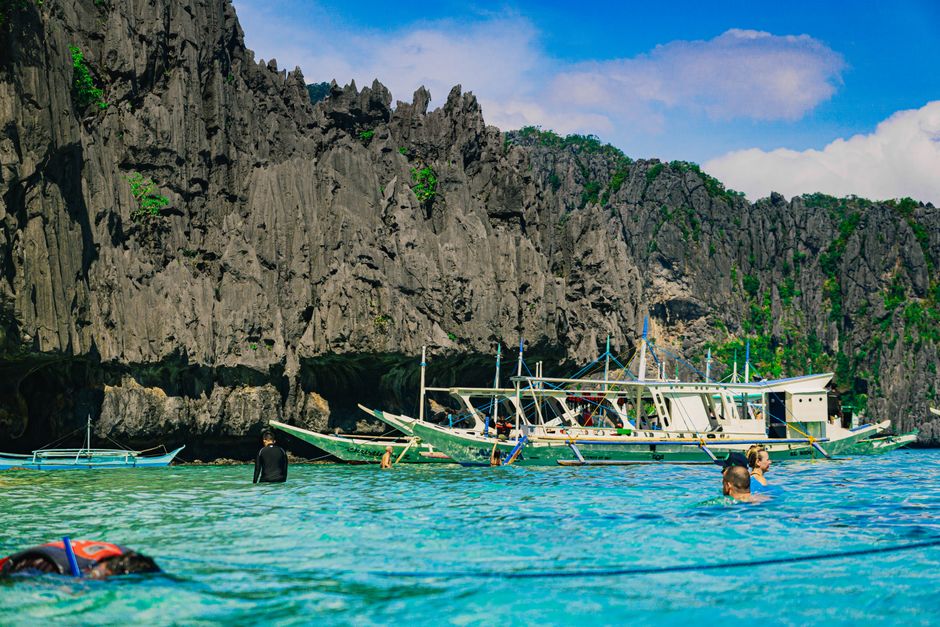
The Rock Islands Southern Lagoon is one of Palau’s signature landscapes. Its green limestone islands rise from bright blue water, and boat tours often combine scenic cruising with swimming or snorkeling stops. The area is recognized as a UNESCO World Heritage Site; read about its natural and cultural importance on the UNESCO Rock Islands Southern Lagoon page.
Choose a tour based on the places it visits, group size, and time on the water. Ask whether permits and park fees are included, and bring a dry bag for your phone and spare clothes.
Tip 2 – Visit Jellyfish Lake if access is open
Jellyfish Lake on Eil Malk is a well-known Palau experience, but access and permitted activities can change to protect the lake. Check current rules with your tour operator before you book, and follow instructions about where you can swim and what equipment is allowed.
Do not assume that a visit includes snorkeling. Conditions, conservation guidance, and permits may differ over time. A responsible operator should explain the current rules before the boat leaves Koror.
Tip 3 – Snorkel a reef with a local guide

Palau’s reefs are a major reason travelers come, and a guided snorkeling trip makes it easier to reach suitable sites. Guides can help match the location to your swimming confidence and the day’s sea conditions.
Wear a properly fitted flotation vest if you need one, and never stand on or touch coral. The Palau International Coral Reef Center shares local marine education and conservation information at PICRC.
Tip 4 – Plan a scuba diving day carefully
Palau is known for its diving, with sites that may include steep reef walls, channels, and stronger currents. These conditions are not right for every diver, so tell the operator your experience level and certification before choosing a trip.
Book with a reputable dive center, listen closely to the briefing, and leave enough time between your last dive and flying. If you are new to scuba, ask about sheltered training options instead of signing up for an advanced site.
Tip 5 – Kayak among sheltered islands
Kayaking offers a quieter way to see lagoons and mangroves around Koror. Some tours combine paddling with short walks or snorkeling stops, while others focus on a slower route through sheltered water.
Ask about distance, wind exposure, and whether the trip is suitable for children or beginners. A guided outing is often the easiest choice if you do not know local tides and routes.
Tip 6 – Swim at a marine lake or lagoon only where permitted
Palau has beautiful sheltered swimming areas, but not every lagoon or lake is open for unrestricted access. Follow posted instructions and your guide’s advice, especially in protected areas where visitor limits or activity rules may apply.
Pack a towel and a change of clothes, and keep food and rubbish secured on the boat. Never feed fish or wildlife, even if they gather around visitors.
Tip 7 – Explore Babeldaob by road

Babeldaob, Palau’s largest island, gives you a different view of the country beyond the reefs. A road trip can include villages, coastal viewpoints, and cultural or historical stops. The paved road across the island makes independent travel possible, but distances and services are different from those in central Koror.
Rent a car if you are comfortable driving and have confirmed insurance and license requirements with the rental company. Otherwise, arrange a driver or guided day trip, and carry water and snacks between stops.
Tip 8 – See Ngardmau Waterfall
Ngardmau Waterfall is a rewarding nature outing on Babeldaob. The approach involves walking, and the route can be slippery after rain, so wear shoes with good grip and bring water.
Check local access and transport arrangements before setting out. This is not a quick stop from every Koror hotel, so combine it with other Babeldaob sights if you have a full day.
Tip 9 – Visit the Badrulchau stone monoliths
The Badrulchau stone monoliths offer a look at Palau’s cultural history and a change of pace from boat tours. The site is on Babeldaob, so it works well as part of a road trip around the island.
Take time to read any signs and treat the area respectfully. If you want more context, ask a local guide about the site’s history and its place in Palauan traditions.
Tip 10 – Learn about Palauan culture at a Koror museum

Set aside time for a museum in Koror to learn about Palauan history, culture, and island life. A museum visit is an especially useful choice on a rainy day or between boat trips, and it helps place the country’s landscapes in a broader context.
Check opening times before you go, since hours can vary. Be considerate around cultural displays, and ask staff before taking photographs where guidance is not clear.
Tip 11 – Visit the Palau International Coral Reef Center
The Palau International Coral Reef Center is a useful stop for travelers interested in marine life and reef protection. It can also help families connect what they see underwater with local conservation work.
Check the center’s current opening information and programs before visiting. Pair it with lunch or another Koror attraction rather than assuming it will fill an entire day.
Tip 12 – Make time for World War II history on Peleliu
Peleliu has significant World War II history and memorial sites. The island is a more involved excursion than a quick stop in Koror, so arrange boat transport and consider hiring a local guide who can explain the sites and their context.
Wear comfortable walking shoes, carry water, and treat memorials and historic remains with care. If your schedule is short, ask your operator whether a day trip is practical before committing.
Tip 13 – Try local Palauan food

Koror is the easiest place to sample Palauan cooking alongside regional Pacific and Asian dishes. Look for meals featuring fish, taro, coconut, and local produce, and ask what is fresh that day.
Menus and opening hours can vary, especially outside the busiest parts of town. If you have dietary needs, explain them clearly when ordering and consider carrying a small snack for longer day trips.
Tip 14 – Enjoy a relaxed evening in Koror
After a day on the water, keep the evening simple with dinner at a local restaurant or a quiet walk in a well-lit public area. Koror is the country’s main visitor center, so it has the widest choice of places to eat and arrange tours.
For a low-key evening, ask your accommodation staff which restaurants are open and how to get back safely. Do not count on every business keeping late hours.
Tip 15 – Choose family-friendly activities around your group
Families can enjoy short boat outings, calm-water swims where permitted, museum visits, and easy stops around Koror. Before booking, check age limits, life-jacket availability, shade, bathroom access, and how long the boat ride will be.
Children may tire quickly in the sun and heat. Bring water, sun protection, snacks, and a dry change of clothes, and avoid trying to fit a long island tour into every day.
Tip 16 – Find budget-friendly ways to explore
Palau can be expensive because many headline sights require boats, guides, and permits. Save by staying in Koror, combining nearby stops into one tour, and balancing paid excursions with museums, local meals, and time around town.
Compare what is included in tour prices rather than choosing only by the lowest headline cost. Travelers who also enjoy quieter outdoor destinations may like this guide to 20 fun and best things to do in Southern Pines, NC.
Tip 17 – Choose the right season and check the forecast
Palau is warm and humid throughout the year, and rain can occur in any season. Sea conditions and visibility can affect boat trips, so keep some flexibility in your schedule instead of putting every important excursion on your final day.
Ask your accommodation or tour operator about the local forecast and any changes to departures. Pack a light rain jacket, and expect plans to shift if conditions are not suitable for a safe trip.
Tip 18 – Arrange transport and tours before arrival
Koror is the practical base for many visitors, but island activities usually need advance transport. Reserve popular boat and dive trips ahead, especially if you have limited dates or need a particular guide, equipment, or accessibility arrangement.
Taxis and rental cars can be useful around Koror, while guided tours are often simplest for remote sites. Confirm pickup time, meeting point, included fees, and cancellation terms in writing.
Tip 19 – Pack for boats, heat, and reef protection
Bring lightweight clothes, a hat, sunglasses, a reusable water bottle, and a dry bag. Reef-safe sun protection, a rash guard, and sturdy sandals or water shoes can make long days outdoors more comfortable.
Take any personal medicines you need, since a specific item may not be easy to find locally. Pack a small amount of cash as well as a payment card, and check with your tour operator about what to bring on board.
Tip 20 – Respect local customs and protect the islands
Palau is home to living communities, not just a collection of scenic stops. Ask before photographing people, follow local guidance at cultural places, and keep noise low around villages and memorial sites. A friendly “Alii” is a common greeting, while “sulang” means thank you.
Carry out your rubbish, do not touch coral or wildlife, and use marked paths where available. The Pristine Paradise Palau visitor information site is a helpful starting point for planning a respectful visit.
Visa & Entry Requirements
Entry rules for Palau depend on the passport you travel with and the government policies in force when you arrive. Visa eligibility, permitted length of stay, passport-validity requirements, and any visa or electronic travel authorization process can differ by nationality. Do not rely on another traveler’s experience as confirmation that the same rules apply to you.
Before departure, check the latest information with Palau’s official government sources, your nearest Palau embassy or consular contact if available, and your airline. The Palau National Government website is a place to begin verifying official information. If a rule is unclear or the information is not current, contact the relevant government office directly rather than assuming you qualify for entry.
Check that your passport will remain valid for the period required by the rules that apply to you, and make sure it has enough blank pages for entry and exit stamps. Confirm whether you need a visa or electronic authorization before travel, and keep copies of your itinerary, return or onward travel details, and accommodation booking where relevant. Border officials or airlines may request supporting documents, but requirements vary.
Ask a health professional or check official public-health guidance for any vaccination or health documentation that may apply to your passport, recent travel history, or route. Requirements can change, so verify them close to departure. Review airline baggage rules and Palau customs guidance before packing food, plants, animal products, medicines, or other restricted items. Declare goods when required and answer border questions honestly.
Travel insurance is a sensible precaution for medical costs, trip disruption, and activities such as diving or boat travel. Confirm that your policy covers the activities you plan to do. These checks are general travel planning information, not legal advice or a guarantee of admission. Government policy can change, and the official authorities make the final decision on entry.
Frequently Asked Questions
What are the best things to do in Palau for a first-time visitor?
Start with a Rock Islands boat trip, add a snorkeling or diving outing suited to your experience, and leave time for Koror’s museums and restaurants. If you have several days, include a road trip on Babeldaob.
How many days should I spend in Palau?
Four to seven days gives many first-time visitors time for a couple of water activities, a day on Babeldaob, and some time in Koror. Add more days if you want to visit Peleliu or prefer a slower schedule with room for weather changes.
Is Palau suitable for travelers who do not scuba dive?
Yes. Snorkeling, kayaking, cultural sites, museums, road trips, and local food are all good options. You do not need to scuba dive to enjoy Palau’s lagoons and island scenery.
Do I need to book Palau tours in advance?
Advance booking is a good idea for popular boat trips, diving, and excursions with limited departures. Confirm permits, pickup details, what equipment is supplied, and the cancellation policy before paying.
Is Koror the capital of Palau?
No. Koror is Palau’s main commercial and visitor hub, while Ngerulmud, on Babeldaob, is the national capital. Many hotels, tour operators, restaurants, and services for travelers are in or near Koror.
Is Palau expensive to visit?
It can be costly compared with some destinations because boat transport, guides, and permits add up. Staying in Koror, comparing tour inclusions, sharing trips with a group, and mixing paid outings with lower-cost activities can help manage your budget.
What is the most common tourist mistake in Palau?
A common mistake is planning too tightly and leaving no room for weather or sea-condition changes. Keep a flexible day in your itinerary, book important tours early, and check local access rules before traveling to a protected site.
Conclusion
The best things to do in Palau combine time on the water with a little time on land. Explore the Rock Islands with a responsible operator, choose reef activities that match your abilities, and learn more about Palauan culture in Koror and Babeldaob.
Plan transport and permits before you arrive, pack for heat and sudden rain, and keep your schedule flexible. With thoughtful preparation, things to do in Palau can fill a memorable trip without making every day feel rushed.
1 thought on “20 Fun and Best things to do in palau”