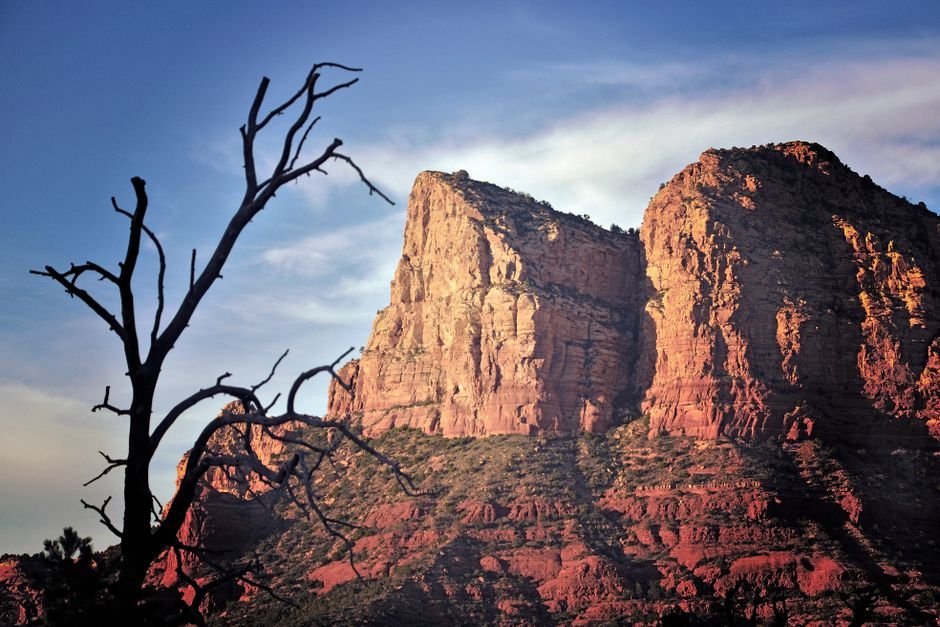
unique things to do in sedona include exploring red-rock trails, visiting quiet art spaces, and watching the desert change color at sunset. Sedona, in Arizona, USA, is known for dramatic sandstone scenery, but its best experiences go beyond the famous viewpoints.
You can balance an easy scenic walk with a locally owned gallery, a creekside picnic, or a guided trip into the backcountry. The right plan depends on the season, your fitness level, and whether you want a car-free visit or time on less-developed roads.
This guide covers practical ways to experience Sedona, including where to go, what to book, how to get around, and what to pack. The landscapes are beautiful, but heat, crowds, and trail conditions deserve just as much attention as your itinerary.
20 Unique Things to Do in Sedona
Use this quick reference to choose a few experiences that fit your schedule. Driving times can vary with traffic, and trail access or services may change with weather, fire restrictions, or seasonal closures.
| Experience | Best for | Practical note |
|---|---|---|
| Airport Mesa sunset | Short scenic outing | Arrive early because parking is limited |
| West Fork Trail | Creekside walking | Check seasonal conditions and trail fees |
| Tlaquepaque Arts & Shopping Village | Art, food, and browsing | Allow time for courtyards and small galleries |
| Red Rock State Park | Nature and family walks | Check the official park page before visiting |
| Backcountry tour | Rugged scenery without a long hike | Book with a permitted local operator |
Tip 1 – Watch sunset from Airport Mesa

Airport Mesa is a convenient place to see Sedona’s red rocks catch the evening light. The Airport Mesa Scenic Lookout is close to town, while the Airport Loop Trail gives you a longer walk with views in several directions.
Parking near the lookout is limited, especially around sunset. Go earlier than you think you need to, and bring a light layer for the cooler air after dark. Stay behind barriers and use a marked trail rather than walking onto fragile slopes for a photo.
Tip 2 – Walk among the galleries at Tlaquepaque
Tlaquepaque Arts & Shopping Village is a collection of galleries, courtyards, and small shops built in a Spanish-style design. It is a pleasant change of pace from the trail network, and you can browse without planning a full day around it.
Look for locally made pottery, jewelry, paintings, and crafts. Some galleries have higher-priced pieces, so browsing is just as welcome as buying. Stop for a meal or coffee if you want to enjoy the shady courtyards for longer.
Tip 3 – Follow the creek through West Fork

The West Fork of Oak Creek Trail, north of central Sedona, passes through a scenic canyon with a creek crossing route. It feels different from the open red-rock trails, with shade and greenery along parts of the walk.
Wear shoes that can handle wet or uneven ground, and check current trail conditions before setting out. The route may involve crossing the creek, and water levels can change. Parking and access rules can also vary, so check the Coconino National Forest website for current forest information.
Tip 4 – Visit the Chapel of the Holy Cross
The Chapel of the Holy Cross is built into the red-rock landscape south of town. Visitors can enter the chapel when it is open, and the site also offers a close view of the surrounding formations from its access area.
It is an active place of worship, so keep voices low and follow posted instructions. The access road and parking area can get busy during peak hours. Pair the visit with a nearby trail or meal rather than expecting to spend a whole day here.
Tip 5 – Take a quieter walk at Amitabha Stupa
Amitabha Stupa and Peace Park is a peaceful spot for a short walk and reflection among juniper trees. It offers a quieter experience than Sedona’s best-known trailheads, though it is a spiritual site, not a conventional attraction.
Respect any posted requests, keep the area tidy, and avoid treating worshippers or visitors as photo subjects without permission. It can be a good stop if you want a slower hour between more active outings.
Tip 6 – Explore the red rocks on foot at Bell Rock
Bell Rock, near the Village of Oak Creek, has trails with striking views and options for different energy levels. You can take a short walk near the base or choose a more challenging route, but the slope becomes steep and exposed if you climb higher.
Wear shoes with reliable grip and do not climb beyond your comfort level. The area is popular, so arrive early for cooler temperatures and easier parking. Bring water even if you plan to walk only a short distance.
Tip 7 – See the landscape from Red Rock State Park

Red Rock State Park has nature trails, picnic areas, and views across Oak Creek and the surrounding formations. It is a useful choice for visitors who want a managed park setting and a range of walks, including options that suit families.
Check opening times, admission, and any trail or facility notices before driving out. The Arizona State Parks page for Red Rock State Park has current visitor information. Pack snacks and water, as services are more limited than in central Sedona.
Tip 8 – Try a guided backcountry tour
A jeep or other guided backcountry tour can reach rugged terrain that is difficult to explore in an ordinary rental car. Guides often share information about geology, plants, and local history as they travel along designated routes.
Choose an operator that explains its route and safety practices, and ask how bumpy the ride will be. These tours can be noisy and rough, so they are not ideal for every traveler. Reserve ahead in busy seasons, and bring sun protection even if the vehicle has shade.
Tip 9 – Take a closer look at Sedona’s geology
The colors of Sedona’s cliffs come from layers of sandstone and other rock, shaped over a long period by weather and erosion. Look for changes in color and texture as you move between viewpoints rather than treating each red-rock formation as the same scene.
The Sedona Heritage Museum offers local context in a historic setting, while visitor information and interpretive signs can help explain what you see outdoors. Keep to established paths to protect the desert soil and plant life.
Tip 10 – Visit Oak Creek Canyon at a quieter hour

Oak Creek Canyon stretches north of Sedona and brings together forested slopes, creek scenery, and scenic pullouts. It is a lovely drive, but the road can be slow and busy, particularly on weekends and during fall color season.
Choose one or two stops rather than trying to pull over at every viewpoint. Use designated parking areas, check for road or trail closures, and never enter floodwater. For destination ideas and visitor updates, consult Visit Sedona’s official visitor information.
Tip 11 – Browse local food and art in Uptown Sedona
Uptown is a convenient place to browse shops, find a casual meal, and pick up supplies before heading out to a trail. It can feel busy and commercial, but it is useful if you want to walk between several places without moving your car.
Try local Southwestern dishes such as green chile or tacos, and check menus for vegetarian options if needed. Restaurant prices can be higher in the most visited areas, so look at menus before sitting down and consider eating outside peak lunch and dinner times.
Tip 12 – Make time for a Verde Valley side trip
If you have an extra day, consider combining Sedona with a nearby Verde Valley experience such as historic Cottonwood or the Verde Canyon Railroad in Clarkdale. These are outside Sedona itself, so allow for the extra drive and check departure times before building them into your plan.
For visitors making a wider itinerary around outdoor scenery and small mountain destinations, this guide to 20 Fun and Best things to do in andorra offers ideas for a very different landscape and culture.
Tip 13 – Look for stars away from the brightest streets

Sedona’s dark-sky setting can make stargazing rewarding on a clear night. Move away from bright shopfronts and choose a safe, legal place with a clear view. Check the moon phase and forecast, since clouds and a bright moon can limit what you see.
Bring a red-light torch if you have one, dress for the temperature after sunset, and do not stop on the roadside to look at the sky. If you prefer an organized activity, check local listings for guided astronomy events and confirm that the event is running on your visit date.
Tip 14 – Choose a vortex experience that suits you
Sedona is associated with several vortex sites, including Airport Mesa, Bell Rock, Cathedral Rock, and Boynton Canyon. Visitors attach different spiritual meanings to these places, while others simply enjoy the scenery and quiet atmosphere.
There is no need to book a spiritual session to visit a public trail. If you do choose a guided experience, check what it includes, the guide’s credentials, group size, and total cost. Treat the beliefs as personal perspectives rather than scientific claims.
Tip 15 – Cool off with a creekside break
Oak Creek can be a refreshing place to pause on a warm day, but access points have different rules and facilities. Choose a designated area, check water conditions, and supervise children closely near the water and slippery rocks.
Do not assume that every creekside location is suitable for swimming. Water levels and currents can change, and monsoon storms can cause sudden rises. Pack out all rubbish and avoid disturbing wildlife or stream banks.
Tip 16 – Plan one family-friendly activity each day
Families can combine short walks, scenic drives, and indoor breaks rather than attempting several long hikes in one day. Bell Rock’s lower trails, Red Rock State Park, and browsing Tlaquepaque can work well for mixed ages, depending on mobility and weather.
Bring snacks, refillable water bottles, hats, and a backup activity for very hot or stormy weather. Trail surfaces are not always stroller-friendly, so check the route before setting out with young children.
Tip 17 – Save money with simple planning
Some of the most memorable experiences in Sedona are free or relatively low-cost, including scenic drives, short walks, and browsing public areas. Costs can add up through parking fees, guided tours, restaurant meals, and trail access charges.
Check whether a parking pass or fee applies to your chosen trailhead, and carry a payment method accepted at the site. A grocery-store picnic can help balance the cost of one special dinner or paid tour.
Tip 18 – Use a car carefully and check shuttle options
A rental car gives you flexibility to reach trailheads and viewpoints, but parking is limited at popular locations. Sedona also has seasonal and route-specific shuttle services, so check current service areas and schedules before relying on one for a particular trail.
Use a map app for navigation, but download offline maps in case mobile coverage drops. Do not leave valuables visible in a parked vehicle, and never stop in traffic to take a photograph. Ask your accommodation or the visitor center about current transport options.
Tip 19 – Plan around weather, safety, and local customs
Spring and fall are popular for comfortable hiking weather, while summer brings intense heat and seasonal monsoon storms. Start exposed hikes early, carry more water than you expect to need, and check the forecast for heat, lightning, wildfire, and flash-flood alerts.
In an emergency in the United States, call 911. Save your accommodation address and trailhead details offline, tell someone your plan, and follow closure signs. Be considerate at sacred or quiet sites, stay on marked trails, and do not collect rocks, plants, or cultural objects.
Tip 20 – Avoid the most common Sedona planning mistake
The most common mistake is trying to fit too many famous stops into one day. Sedona’s roads can be slow, trailhead parking fills early, and even a short walk takes longer when you stop for views and photos.
Choose one main hike or activity, add one nearby stop, and leave room for meals and changing conditions. Book popular tours and accommodation ahead during busy periods, but keep some flexibility for weather and trail updates.
Visa & Entry Requirements
Sedona is in Arizona, in the United States. Entry requirements are set by the U.S. government and depend on your passport, travel purpose, route, and current policy. Visa, passport-validity, electronic travel authorization, vaccination, customs, and permitted length-of-stay rules can differ from one traveler to another, so do not assume that a rule applying to one nationality applies to you.
Before booking, check the U.S. Department of State visa information and the U.S. Customs and Border Protection guidance for international visitors. Travelers who may use the Visa Waiver Program should confirm eligibility and current Electronic System for Travel Authorization requirements through the official ESTA website. An approved travel authorization is not the same as a guarantee of admission.
Check the passport-validity rules that apply to your specific passport and travel circumstances. Confirm that your passport has any required blank pages, and apply for a visa or electronic authorization well in advance if one is needed. Immigration officers may ask about your return or onward travel, accommodation, and reason for visiting. Keep relevant booking details accessible, but remember that requirements and decisions vary.
Review current U.S. public-health guidance before departure, including any vaccination or health documentation rules that may apply to your route. Check whether your travel insurance covers medical care, trip interruptions, and outdoor activities such as hiking. Read customs rules before packing food, plants, medicines, cash, or other restricted goods, and declare items when required. Requirements can change, so use the relevant official government source for a final check shortly before travel. This is practical travel information, not legal advice.
Frequently Asked Questions
What are some unique things to do in Sedona besides hiking?
Browse Tlaquepaque’s art galleries, visit the Chapel of the Holy Cross, spend time at Amitabha Stupa, try a guided backcountry tour, or go stargazing. You can also take a scenic drive through Oak Creek Canyon.
How many days should I spend in Sedona?
Two or three full days gives many first-time visitors time for a signature walk, a scenic drive, and a few cultural or food stops. Add more time if you want a slower pace, longer hikes, or a Verde Valley side trip.
When is the best time to visit Sedona?
Spring and fall are popular because daytime temperatures are often more comfortable for outdoor activities. These seasons can also be busy, so book accommodation early. Summer visits are possible, but plan around heat and afternoon storms.
Do I need a car in Sedona?
A car makes it easier to visit trailheads and viewpoints outside the center. Some visitors use local shuttles for selected routes, but schedules and coverage can change. Check current service information before you decide to travel without a car.
Are Sedona’s vortex sites open to everyone?
Many commonly named vortex areas overlap with public trails or viewpoints, but access rules depend on the specific location. You do not need to share the spiritual beliefs associated with vortexes to enjoy the scenery. Follow signs and respect other visitors.
Is Sedona safe for hiking?
Many trails are suitable for prepared visitors, but desert heat, uneven rock, sudden storms, and limited mobile coverage can create risks. Start early, bring enough water, check local conditions, and choose a route that matches your ability.
Conclusion
unique things to do in sedona range from an easy gallery visit to a creekside walk, a backcountry tour, or a quiet evening under the stars. You do not need to cover every famous trail to get a memorable feel for the city.
Plan around the season, check conditions before you go, and leave time between activities. With a practical itinerary and respect for the landscape, Sedona can be rewarding for first-time visitors, families, and travelers looking for a slower outdoor escape.
1 thought on “20 Fun and Best unique things to do in sedona”