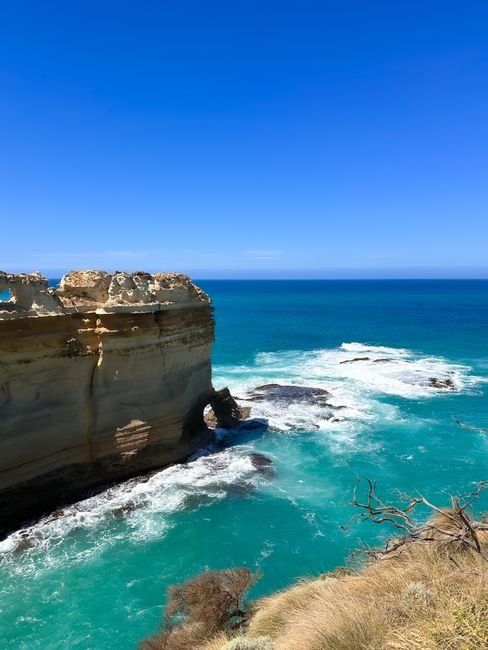
best things to do in australia include exploring famous city harbours, walking through ancient landscapes, meeting native wildlife, and spending time on the coast. Australia is enormous, so a rewarding trip starts with choosing a region rather than trying to see everything at once.
From Sydney and Melbourne to the Great Barrier Reef, the Red Centre, and Tasmania, each part of Australia has its own character. Distances, weather, and transport options vary widely, so allow enough time between destinations and check local conditions before you go.
This guide to the best things to do in australia covers memorable experiences, practical planning, local customs, and ways to make the most of your visit, whether you have a week or several months.
Best Things to Do in Australia
20 Best Things to Do in Australia
Tip 1 – See Sydney Harbour and its famous landmarks

Sydney Harbour is an excellent first stop for international visitors. Walk around Circular Quay to see the Sydney Opera House and Harbour Bridge, then take a ferry for a different view of the waterfront. The Royal Botanic Garden is nearby and makes a pleasant, low-cost break from busy streets.
For a longer walk, follow the coastal track from Bondi to Coogee. Wear sun protection and allow time for ocean pools and beach stops along the way. Sydney is a large city, so use public transport rather than expecting to walk between every attraction.
Tip 2 – Explore Sydney’s historic and creative neighborhoods
Spend time in The Rocks for historic lanes, galleries, and weekend markets. Surry Hills and Newtown offer independent shops, cafes, and a lively dining scene. These neighborhoods show a more everyday side of the city than the harbourfront alone.
Some museums and galleries have free general admission, while special exhibitions may require a ticket. Check opening days before setting out, particularly around public holidays.
Tip 3 – Snorkel or sail on the Great Barrier Reef

The Great Barrier Reef is one of Australia’s best-known natural attractions. Cairns and Port Douglas are popular bases for boat trips, snorkeling, and introductory diving. Tours vary in length and price, so compare what is included, such as equipment, meals, and transfers.
Sea conditions and visibility change with the season. Choose an operator that follows reef-safe practices, listen closely to safety instructions, and avoid touching coral or wildlife. If you prefer to stay dry, look for a glass-bottom boat or reef-viewing trip.
Tip 4 – Walk through the Daintree Rainforest
North of Cairns, the Daintree is a remarkable place to see tropical rainforest, mangroves, and coastal scenery. Take a guided walk to learn about the area’s plants and wildlife, or use marked boardwalks for an easier visit. Some locations require a car or organized tour to reach.
Bring insect repellent, drinking water, and shoes suited to wet paths. Follow local signs and keep a respectful distance from wildlife. The rainforest is a living environment, not a place to feed or handle animals.
Tip 5 – Watch the sunset at Uluru
Uluru is a major cultural landmark in the Northern Territory and a place of deep significance to the Anangu Traditional Owners. Visit the cultural centre, walk the base track where conditions allow, and learn about the area’s stories and living culture. Climbing Uluru is not permitted.
Sunrise and sunset viewing areas can be busy, particularly in peak season. Book accommodation and park access in advance, carry water, and follow heat and walking advice from park staff. Give yourself more than a quick photo stop if you can.
Tip 6 – Discover Kata Tjuta and the Red Centre
Kata Tjuta, also known as the Olgas, is a striking group of domed rock formations near Uluru. The Valley of the Winds walk offers impressive views, but some sections can close during hot weather. Check current park notices and choose a walk that suits your fitness and the conditions.
A rental car gives flexibility in this region, but distances between services are long. Fill up when you can, carry extra water, and avoid driving tired or after dark when wildlife may be harder to see.
Tip 7 – Take in Melbourne’s laneways, markets, and coffee culture

Melbourne is known for its laneway cafes, street art, galleries, and independent shops. Walk through the central city, visit the National Gallery of Victoria, and browse Queen Victoria Market for food and local goods. Check market days and gallery hours before planning your route.
The city has changeable weather, so bring a light rain layer even when the morning is sunny. Trams are useful for getting around the centre, but check ticket and free tram zone details before boarding.
Tip 8 – Drive or tour the Great Ocean Road
The Great Ocean Road west of Melbourne is known for coastal scenery, surf beaches, and the Twelve Apostles limestone formations. It is possible to take a day tour, but an overnight trip gives you more time to stop at viewpoints and small towns.
Road conditions, traffic, and weather can affect travel times. Drive on the left, obey speed limits, and never stop in unsafe places for a photograph. If you plan to rent a car, confirm licence requirements and insurance terms before collecting it.
Tip 9 – Visit Kakadu National Park
Kakadu National Park in the Northern Territory brings together wetlands, escarpments, wildlife, and significant Aboriginal cultural sites. Guided cultural experiences and interpretive displays can add context to the landscapes. Some roads and attractions are seasonal or require a suitable vehicle.
Check park information before travelling, especially during the wet season when access may change. Respect restricted areas and rock art sites, and do not assume that a standard rental car can reach every location.
Tip 10 – Enjoy Brisbane’s river, gardens, and galleries

Brisbane has a relaxed subtropical feel, with riverside paths, the City Botanic Gardens, and cultural venues at South Bank. The Queensland Art Gallery and Gallery of Modern Art are popular stops, and general entry to many exhibitions is free.
Brisbane also works well as a base for day trips, but nearby islands and hinterland areas still take planning. Check ferry schedules and book popular activities ahead during school holidays.
Tip 11 – Spend time on the beaches of the Gold Coast
The Gold Coast is known for its long beaches, surf culture, and family attractions. Surfers Paradise is convenient and lively, while Burleigh Heads offers a coastal walk and a more neighborhood feel. The best beach choice depends on whether you want swimming, surfing, or easy access to restaurants.
Swim between the flags at patrolled beaches and follow lifeguard advice. Ocean conditions can change quickly, and beaches that look calm may still have strong currents.
Tip 12 – Explore Tasmania’s wilderness and historic towns
Tasmania combines rugged coastlines, forest walks, wildlife, and historic sites. Hobart is a useful starting point for the island, with Salamanca Place, the waterfront, and the nearby summit of kunanyi / Mount Wellington. Port Arthur offers a powerful look at Australia’s convict history.
Allow several days if you want to see more than Hobart. Distances can look short on a map but take longer on winding roads, and weather can change quickly in the mountains.
Tip 13 – See wildlife on Kangaroo Island

Kangaroo Island, off South Australia’s coast, is known for wildlife, coastal scenery, and local food. Visit a wildlife park or conservation area with responsible viewing practices, and look out for seals and birds from a safe distance. Do not feed wild animals.
You can reach the island by ferry or flight. Check current schedules and vehicle arrangements in advance, and allow enough time to explore beyond the main arrival points.
Tip 14 – Taste food and wine in Adelaide and its regions
Adelaide is a comfortable city for markets, museums, and restaurant dining. The Central Market is a good place to sample produce and casual meals. If you enjoy wine, nearby regions such as the Barossa Valley and McLaren Vale offer cellar-door visits and scenic drives.
Plan a designated driver or book transport for wine tastings. Regional opening hours can differ from city schedules, and advance bookings are sensible for popular producers.
Tip 15 – Discover Perth and the Swan River
Perth has a sunny climate, a broad river setting, and easy access to beaches. Visit Kings Park for city views and walking paths, then explore Fremantle’s historic streets, markets, and maritime attractions. A ferry or train can make some outings easier without a car.
Perth is far from many other Australian cities, so flying is often the practical way to connect it with an east coast itinerary. Include the flight time and airport transfers in your schedule.
Tip 16 – Take a day trip to Rottnest Island
Rottnest Island, reached by ferry from Perth or Fremantle, is popular for cycling, beaches, and clear water. Book ferries ahead in busy periods and decide whether you want to rent a bicycle or use the island bus to get around.
Quokkas are wild animals. Keep a respectful distance, never feed them, and follow island guidance about wildlife photography and visitor behavior.
Tip 17 – Plan a wildlife experience responsibly
Australia has distinctive wildlife, from koalas and kangaroos to wombats and seabirds. A reputable wildlife sanctuary can be a good choice if you want to learn about native animals up close. In the wild, sightings are never guaranteed, and animals should be observed without handling or feeding.
Be especially careful when driving outside cities at dawn and dusk, when wildlife may be near roads. Slow down in signed areas and avoid night driving on unfamiliar rural roads where possible.
Tip 18 – Try a local food market and regional specialties
Food is an easy way to experience different parts of Australia. Look for fresh seafood near the coast, multicultural dining in major cities, and regional produce at farmers’ markets. Australian cafe culture is strong, and a relaxed brunch is a simple way to spend a morning.
Markets often have limited operating days, so check schedules before visiting. If you have dietary needs, ask clearly when ordering and check ingredient information rather than making assumptions.
Tip 19 – Choose the right season and pack for the region
Australia’s seasons are opposite those in the Northern Hemisphere, but the climate is not the same everywhere. Tropical northern areas have wet and dry seasons, while southern cities can be cool in winter and hot in summer. The best time to visit depends on your route and planned activities.
Check forecasts before packing and bring sun protection year-round. A hat, sunglasses, sunscreen, refillable water bottle, and comfortable walking shoes are useful for many trips. Add warm layers for alpine areas and cool evenings.
Tip 20 – Build a realistic route and travel safely
Australia’s size is the most common planning surprise. Trying to combine Sydney, the reef, Uluru, Melbourne, and Perth in a short holiday can mean spending more time in airports and cars than enjoying the trip. Choose a few areas, then connect them with flights, trains, coaches, or a road trip that fits your time.
For a long-distance driving itinerary, plan fuel and rest stops in advance and check mobile coverage. If you enjoy road-trip planning, you can also read 20 Fun and Best things to do in rawlins wyoming for another guide built around exploring a destination by road.
For practical travel, save offline maps and use official transport apps or websites for current schedules. Keep emergency contacts accessible. In Australia, call 000 for police, fire, or ambulance emergencies. For weather warnings, check the Australian Bureau of Meteorology.
Visa & Entry Requirements
Entry requirements for Australia depend on the passport you travel on, your reason for visiting, and the rules in force when you travel. Many visitors need a visa or electronic travel authorization before boarding, while the correct option varies by passport and trip purpose. Do not assume that a visa-free visit for one nationality applies to you.
Check the Australian Government’s visa finder and immigration information before booking non-refundable travel. Use the official Australian immigration website or an Australian embassy or consulate for final guidance. Application conditions, processing times, permitted activities, and length of stay can change, so confirm details close to departure.
Check your passport’s expiry date and whether it has enough blank pages for your itinerary and any transit countries. Passport-validity rules can depend on your circumstances and airline, so verify them with official authorities and your carrier. Keep a copy of your passport and travel documents separate from the originals.
Depending on your circumstances, you may be asked to show onward or return travel, accommodation details, or evidence that you can support yourself during your visit. Travel insurance is a sensible precaution, especially if your plans include remote areas, outdoor activities, or medical care not covered by your policy.
Australia has strict biosecurity controls. Declare food, plant materials, animal products, and other items when required, and follow instructions at the border. The Australian Border Force guide to bringing goods into Australia explains common restrictions. Vaccination, customs, and other entry rules depend on current government policy and your circumstances. Check official sources shortly before travel, and do not treat this general guide as legal advice.
Quick Reference for Planning a Trip to Australia
| Travel detail | Useful planning advice |
|---|---|
| Best time to visit | Choose the season for your region. Tropical north and southern cities have different weather patterns. |
| Getting around | Use public transport in cities, domestic flights for long distances, and a rental car for suitable regional routes. |
| Currency | Australian dollar (AUD). Cards are widely accepted, but carry a backup payment option. |
| Emergency number | Call 000 for police, fire, or ambulance emergencies. |
| Common mistake | Underestimating distances and scheduling too many far-apart destinations in one trip. |
| Useful preparation | Check visas, weather, transport schedules, park access, and activity bookings before departure. |
Frequently Asked Questions
What are the best things to do in australia for a first-time visitor?
Choose a mix of city and nature experiences that fit your available time. Sydney and Melbourne are popular city stops, while the Great Barrier Reef, Uluru, and Tasmania offer very different landscapes. Focus on one or two regions instead of rushing across the country.
How many days do you need to see Australia?
There is no single ideal length because Australia is so large. A week can work well for one city and a nearby region. Two or three weeks gives you more options, but it still will not cover the whole country comfortably.
What is the best month to visit Australia?
The right month depends on where you are going. Southern cities are often more comfortable in spring and autumn, while the tropical north has distinct wet and dry seasons. Check regional climate information before settling on dates.
Is Australia expensive for tourists?
Costs vary by season, destination, and travel style. Accommodation, domestic flights, and organized tours can add up, especially in remote areas. Save by booking early, using public transport, choosing free city attractions, and comparing tours carefully.
Do I need a car to travel around Australia?
You do not need a car in every destination. Public transport works well in many city centres, and flights connect distant regions. A car can be useful for rural itineraries, but check road conditions, rental terms, and distances before driving.
What should I know about swimming at Australian beaches?
Swim at patrolled beaches and stay between the red and yellow flags. Follow lifeguard instructions and check local signs, since currents and other hazards vary by beach. If conditions look unsafe or flags are not present, choose another activity.
What is the most common tourist mistake in Australia?
The most common mistake is underestimating the country’s size. Travel between major regions can take many hours, even by plane when transfers are included. Build a manageable route and leave spare time for delays and rest.
Conclusion
The best things to do in australia range from harbour walks and lively food markets to reef trips, rainforest trails, and vast desert landscapes. Every region offers something different, so the most enjoyable itinerary is one that leaves room to experience each place rather than rushing through a checklist.
Plan around distance, weather, and local conditions. Book popular transport and tours ahead, follow safety guidance, and check official entry information for your passport. With a realistic route and a little flexibility, Australia can offer an unforgettable first visit and plenty of reasons to return.
1 thought on “20 Fun and Best best things to do in australia”