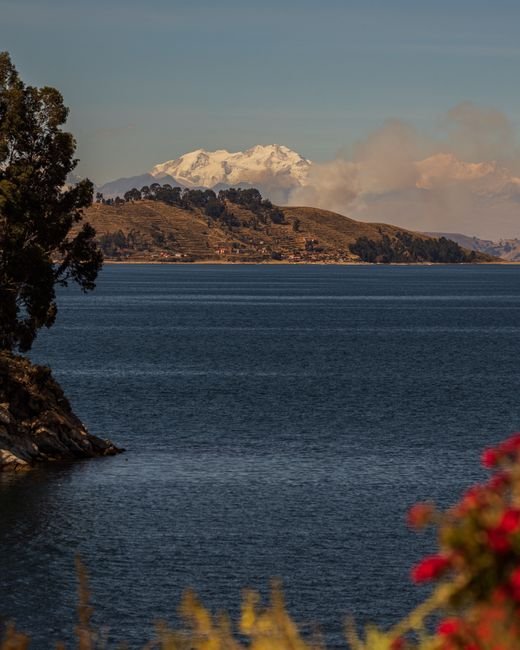
things to do in bariloche range from lakeside walks and mountain viewpoints to chocolate shops and scenic drives in Argentina’s Lake District. The city, officially San Carlos de Bariloche, sits beside Nahuel Huapi Lake in Patagonia, with the Andes rising behind it.
Bariloche works well for a quick city break or a longer outdoor holiday. You can explore the compact centre without a car, then use buses, tours or a rental vehicle to reach trailheads, beaches and mountain lifts.
This guide covers the best things to do in Bariloche, along with practical advice on transport, seasons, food, safety and entry requirements. Weather and opening times can change, so check local updates before setting off.
20 Things to Do in Bariloche
Tip 1 – See the views from Cerro Campanario

Cerro Campanario is one of the easiest places to get a wide view of Bariloche’s lakes, wooded hills and mountain peaks. A chairlift takes visitors close to the summit, while a steep walking path is an option for those who want the climb.
Go on a clear day, and allow extra time if there is a queue for the lift. The viewpoint is outside the city centre on the Circuito Chico route, so check bus times or arrange a return ride before you start.
Tip 2 – Drive or tour the Circuito Chico
The Circuito Chico is a scenic loop through the Llao Llao peninsula and the western lakeshore. Stops often include viewpoints, small beaches, forest walks and the historic Llao Llao Hotel. You can travel by rental car, local bus for parts of the route, bicycle or organised tour.
Plan more time than the driving distance suggests. Visitors often stop for photos or short walks, and roads can be busy in summer and on weekends. If you do not have a car, confirm which stops your tour includes rather than assuming every viewpoint is covered.
Tip 3 – Walk along the shore of Nahuel Huapi Lake

Nahuel Huapi Lake gives the city its distinctive mountain-and-water setting. Follow the waterfront near the centre for an easy walk, or head to a lakeside beach such as Playa Bonita for a longer, relaxed stop.
The water stays cold even in warm weather, and conditions can change quickly. Check local advice before swimming or taking a small boat out, and keep children close to shore around rocky areas.
Tip 4 – Explore Bariloche’s Centro Cívico
The stone-and-wood buildings of the Centro Cívico form the best-known city-centre landmark. Walk through the square, look toward the lake and browse the nearby shops and cafés. It is a convenient first stop for getting oriented and asking about current excursions.
The centre can be busy when tour groups arrive, but it is easy to visit independently. Keep an eye on bags in crowded areas and check opening hours if you want to visit a particular museum or public office.
Tip 5 – Try the city’s chocolate and regional sweets
Bariloche is known across Argentina for chocolate. The main streets have specialist shops selling bars, truffles, hot chocolate and gift boxes. Try a small selection before buying a large quantity, as flavours and prices vary between shops.
Chocolate makes a popular souvenir, but it can soften in a warm car or suitcase. Ask shops about packaging for travel, especially if you are continuing to a warmer part of Argentina or flying with a long connection.
Tip 6 – Take the cable car or chairlift up Cerro Otto
Cerro Otto is close to town and offers broad views over Bariloche and the lake district. A cable car usually takes visitors up from the base station, where there are viewpoints and visitor facilities. Check the operating schedule because wind or weather can affect service.
This is a convenient option for families and travellers who want a mountain panorama without a long hike. The summit can be colder and windier than the city, so bring an extra layer even on a sunny day.
Tip 7 – Spend time in the Llao Llao area

The Llao Llao area is a rewarding part of the Circuito Chico, with forest paths, lake views and access to the peninsula’s outdoor scenery. You do not need to stay at the famous hotel to enjoy the surrounding landscape, though access to private hotel facilities is separate.
Choose a marked trail suited to your time and fitness level, and carry water. Trail conditions can change after rain or snow. Before walking, check park notices and avoid leaving marked paths in unfamiliar forest.
Tip 8 – Visit Colonia Suiza on a market day
Colonia Suiza is a small settlement west of the city, known for its Swiss-Argentine history, craft stalls and traditional food. Market activity is generally livelier on selected days, so confirm the current schedule before making the trip.
Try curanto if it is being prepared and you want a local meal with a distinctive cooking method. It is not available everywhere or every day, and the journey takes longer by bus than by car, so check return transport in advance.
Tip 9 – Hike a trail in Nahuel Huapi National Park
Nahuel Huapi National Park has hiking routes ranging from short walks to demanding mountain treks. Choose a route that matches your experience, daylight and the current season. Some trails require registration or have access restrictions, so check official park information before departure.
Pack layers, water, food, a charged phone and an offline map. Tell someone where you are going, and do not rely on mobile coverage in the mountains. For official park notices and visitor information, see Nahuel Huapi National Park information.
Tip 10 – Take a boat trip to Isla Victoria and the Arrayanes Forest
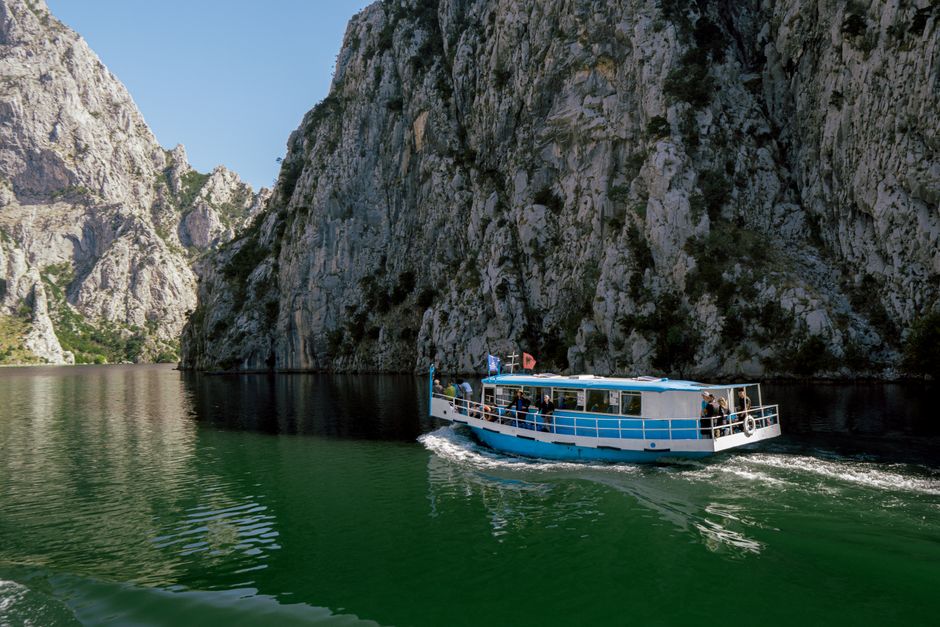
Boat excursions on Nahuel Huapi Lake can include Isla Victoria and the Arrayanes Forest on the Quetrihué Peninsula. The water journey is a major part of the experience, with views of forested shorelines and the Andes.
Schedules, departure points and excursion lengths vary by operator and season. Book ahead during busy periods, and check what is included in the ticket, such as park fees, guided walks or time on the island.
Tip 11 – Spend a day at Cerro Catedral
Cerro Catedral is Bariloche’s main ski area and a popular mountain destination beyond winter. In ski season, visitors can rent equipment, book lessons and use lifts, though prices and operating conditions change each year.
In warmer months, the area can be a starting point for walks and mountain activities. Confirm which lifts and services are running before travelling, and reserve lessons or equipment early during school holidays and peak winter dates.
Tip 12 – Try Patagonian food and local beer
Look for Patagonian lamb, trout, stews and regional cheeses on restaurant menus. Bariloche also has a well-established craft beer scene, with bars and breweries offering local styles. Ask about portion sizes if you plan to order several dishes.
Restaurant hours can differ from those in other countries, and dinner often starts later than visitors expect. If you have dietary needs, explain them clearly in Spanish and confirm ingredients rather than relying only on a menu translation.
Tip 13 – Find a beach or quiet lakeside picnic spot

On a warm day, take a picnic to a public lakeside area such as Playa Bonita or one of the smaller beaches along the road toward Llao Llao. Bring a rubbish bag and take all waste back with you, as facilities may be limited.
Some shorelines are rocky, and the lake can be very cold. Check local conditions before swimming, and do not assume a beach has lifeguards or changing facilities.
Tip 14 – Browse local crafts and regional products
Bariloche’s centre has shops selling wool goods, ceramics, wood crafts and food products from Patagonia. Look for clear information about where an item was made if buying locally produced souvenirs matters to you.
Compare prices before purchasing, especially for items sold in several shops. If you plan to take food or plant-based products across an international border, check the customs rules of your next destination first.
Tip 15 – Choose a neighbourhood that suits your plans
Staying near the Centro Cívico makes restaurants, shops and some bus connections easy to reach on foot. Accommodation farther west toward Playa Bonita or Llao Llao offers a quieter setting and quick access to scenery, but you may need to plan transport more carefully.
For an early excursion or a short visit, convenience can matter more than a lake view. Check the exact address, uphill walks and distance to a bus stop before booking, particularly if travelling with children or luggage.
Tip 16 – Use buses and plan your local transport
City and regional buses connect central Bariloche with popular areas, but routes and frequency differ by destination. Argentina’s SUBE card is commonly used for public transport in many cities; check current local payment options and where to buy or top it up before boarding.
Use a current route app such as Moovit for planning, then confirm the route and return times locally. Some scenic stops have limited service, especially in the evening or off-season. Taxis, transfers and tours can be more practical when buses do not line up with your plans.
Tip 17 – Choose the right season for your trip
Summer, roughly December to February, is popular for lake activities, hiking and long daylight hours. Winter, roughly June to August, brings snow and ski travel, with higher demand around school holidays. Spring and autumn can be quieter, but weather and services may be less predictable.
Bariloche’s mountain weather can change quickly in any season. Check forecasts close to your activity, and do not plan a demanding hike based only on the conditions in the city centre.
Tip 18 – Pack for changing mountain weather
Bring comfortable walking shoes, a warm layer and a waterproof outer layer, even if your visit is in summer. Sunglasses, sun protection and a reusable water bottle are useful on both lake outings and mountain walks.
In winter, pack warm gloves, a hat and suitable footwear with good grip. If you plan to ski, compare rental prices and confirm what equipment is included before booking.
Tip 19 – Learn a few useful Spanish phrases
Spanish is the main language in Bariloche. A few simple phrases can make transport, restaurant visits and directions easier: “¿Cuánto cuesta?” means “How much does it cost?”, “¿Dónde está la parada?” means “Where is the bus stop?”, and “La cuenta, por favor” means “The bill, please.”
Download an offline translation option before leaving your accommodation, as coverage can be unreliable on trails. Speak slowly, be polite and keep important addresses written down in Spanish for taxi drivers or local assistance.
Tip 20 – Avoid the most common Bariloche travel mistake
The most common mistake is trying to fit the city centre, Circuito Chico, Cerro Catedral and a full-day lake excursion into a very short stay. Distances, mountain weather and bus schedules make each outing take longer than it may look on a map.
Choose one main activity each day and leave room for a weather change or a relaxed meal. Check lift, boat and bus schedules close to travel, and book popular winter activities and boat trips ahead when visiting in peak season.
Visa & Entry Requirements
Bariloche is in Argentina, and entry rules are set nationally. Visa requirements, permitted length of stay and any electronic travel authorization depend on the passport you hold and the government policy in force when you travel. Do not assume that a rule for one nationality applies to everyone. Check Argentina’s official immigration information and, if needed, contact an Argentine embassy or consulate before booking non-refundable travel.
Review your passport’s expiry date and make sure it has any blank pages required for your route. Requirements can differ according to nationality, transit country and travel purpose. Confirm whether you need a visa or an electronic authorization, how long you may stay, and whether you must show a return or onward ticket, proof of accommodation or evidence that you can support yourself during the visit.
Vaccination and health-document rules can change, so check current government guidance for your circumstances and any countries you will transit through. Travel insurance is a practical safeguard for medical care, trip disruption and outdoor activities, but it does not replace entry documents or required medical coverage.
Argentina has customs rules for items brought into the country and for goods taken onward. Check current allowances and declaration requirements before packing food, medicines, cash or valuable equipment. Declare items when required, and keep prescriptions for personal medication. Rules may also apply to agricultural products and wildlife-related goods.
For final requirements, use the Argentine National Directorate of Migration and relevant official government or embassy guidance. Policies can change, and this information is general travel guidance rather than legal advice.
Quick Reference for Visiting Bariloche
| Plan | Useful guidance |
|---|---|
| Best for | Lake scenery, mountain outings, hiking, skiing and chocolate shops |
| Getting around | Walk in the centre; use buses, tours, taxis or a rental car for outlying sights |
| Allow for | At least three days for the centre and a few major excursions |
| Pack | Layers, walking shoes, rain protection, sun protection and a warm extra layer |
| Book ahead | Winter ski services, popular boat trips and peak-season accommodation |
| Useful official information | Bariloche tourism information and Bariloche airport information |
Frequently Asked Questions
How many days do you need to see the best things to do in Bariloche?
Three days is a useful starting point for the city centre, a Circuito Chico outing and one mountain or lake excursion. Allow more time if you want to hike, ski or explore at a slower pace, as weather and transport schedules can affect plans.
Is Bariloche worth visiting without a car?
Yes. You can explore the centre on foot and reach some popular areas by bus or organised tour. A car gives you more flexibility for quieter stops and trailheads, but it is not essential for a first visit if you plan routes and return transport ahead.
What is the best time to visit Bariloche?
Summer suits lake activities, hiking and longer daylight, while winter is the main season for skiing and snow. Spring and autumn can offer a quieter visit, though some services may run less often. The best time depends on your activities and tolerance for variable mountain weather.
Is Bariloche safe for tourists?
Many visitors explore Bariloche without difficulty, but use normal city precautions: keep valuables secure, watch bags in crowded places and use established transport. Outdoors, check trail conditions, weather and park guidance. For emergencies in Argentina, call 911; medical and other local services may also have separate numbers, so confirm current contacts with your accommodation or local authorities.
What food should I try in Bariloche?
Try regional chocolate, Patagonian lamb, trout and local cheeses. Bariloche also has craft beer bars and cafés. Restaurant offerings change by season, and curanto is more commonly found at specific venues or events than on every menu.
Is Bariloche a good destination for families?
It can be a good family destination, with lakefront walks, easy viewpoints, boat trips and chocolate shops. Choose activities around children’s ages and the day’s weather, and check lift access, walking distances and facilities before setting out.
What is the easiest way to reach Bariloche?
San Carlos de Bariloche Airport has domestic flights, with schedules depending on the season and airline. Long-distance buses are another option from cities in Argentina, but the journey can take many hours. Check current airport and bus information before finalising connections.
Conclusion
The best things to do in Bariloche combine mountain views, Nahuel Huapi Lake, local food and time in the city centre. Start with a walk around the Centro Cívico, then choose a few day trips that suit your interests rather than trying to cover every attraction at once.
Check local transport, weather and activity schedules before heading out, especially for hikes, boat trips and winter sports. With a little planning and flexible days, Bariloche is an easy place to enjoy Patagonia’s scenery at your own pace.
If your wider travel plans also include a different outdoor destination, our guide to 20 Fun and Best Things to Do in Australia offers ideas for another trip focused on nature and memorable landscapes.
1 thought on “20 Fun and Best things to do in bariloche”