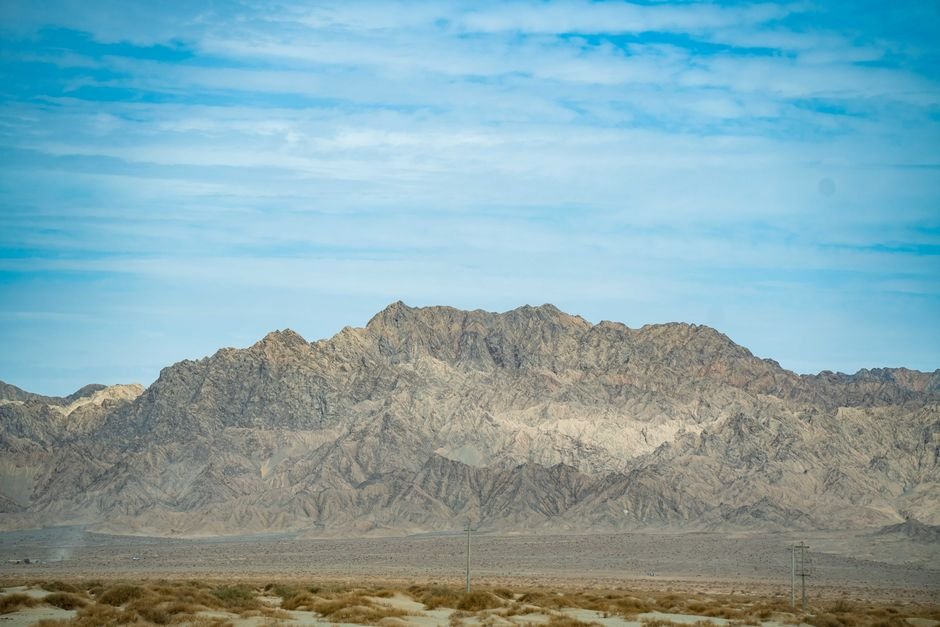
Things to do in Big Bend range from hiking desert trails to watching the sun set over the Chisos Mountains. Big Bend National Park is in West Texas, United States, close to the small gateway communities of Terlingua, Study Butte, Marathon, and Alpine.
There is no city at the heart of Big Bend, and distances between sights are long. A car, careful planning, plenty of water, and a little flexibility will help you make the most of this remote landscape.
Big Bend rewards travelers who enjoy wide-open spaces and outdoor activities. You can hike in the mountains, see the Rio Grande, explore historic sites, soak in a natural hot spring, or simply spend an evening beneath a remarkable dark sky.
This guide covers the best things to do in Big Bend, along with useful advice on seasons, transport, safety, food, bookings, and entry requirements for international visitors.
Quick Reference for Visiting Big Bend
| Travel detail | What to know |
|---|---|
| Destination | Big Bend National Park, West Texas, United States |
| Closest services | Study Butte and Terlingua are near the park’s west entrance; Marathon is near the north entrance. |
| Best time to visit | Fall through spring usually brings milder hiking weather. Summer can be extremely hot. |
| Getting around | A personal or rental car is essential for most visitors. There is no regular public transport inside the park. |
| Plan for | Long driving distances, limited phone coverage, changing weather, and few services inside the park. |
| Useful official information | Big Bend National Park visitor information |
20 Things to Do in Big Bend
Tip 1 – Take in the views along Ross Maxwell Scenic Drive

This paved route passes desert scenery, volcanic rock formations, and several trailheads on the way to Santa Elena Canyon. Set aside a few hours for the drive and stops. The distance may look manageable on a map, but slow driving and frequent photo breaks add time.
Check road conditions before leaving and carry water, snacks, and fuel. Services are limited once you are inside the park.
Tip 2 – Hike the Lost Mine Trail
The Lost Mine Trail is a popular mountain hike with broad views of the Chisos Mountains and surrounding desert. It is about 4.8 miles (7.7 kilometers) round trip, with a steady climb and exposed sections.
Start early, especially in warm weather, and bring more water than you think you will need. Parking at the trailhead is limited, so an early arrival can make the day easier.
Tip 3 – Walk into Santa Elena Canyon

Santa Elena Canyon is one of Big Bend’s most recognizable sights. A short trail leads toward the canyon walls beside the Rio Grande. The path can be muddy or partly flooded, and high water may affect access, so check current conditions before setting out.
The canyon is at the end of Ross Maxwell Scenic Drive. Bring sun protection and allow time for the return drive, not just the walk.
Tip 4 – Explore the Chisos Basin
The Chisos Basin is a high mountain area surrounded by rugged peaks. It offers trail access, a visitor center, a lodge, and some of the park’s most dramatic scenery. Temperatures here can differ from those on the desert floor, so bring an extra layer even on a warm day.
Popular hikes from the basin include the Window Trail and routes toward Emory Peak. Check the current trail and facility status before your visit, as conditions and services can change.
Tip 5 – Watch sunset at the Window View Trail
This short, paved path near the Chisos Basin offers a good place to watch evening light spread across the mountains. It is an easier alternative to hiking the longer Window Trail, though the viewpoint can be busy around sunset.
Bring a flashlight or headlamp for the walk back after dark. Keep wildlife and the edge of the path in mind, and avoid stepping off the marked route.
Tip 6 – Visit the Fossil Discovery Exhibit
The Fossil Discovery Exhibit introduces the ancient animals and changing landscapes of the Big Bend region. The outdoor displays are easy to visit by car and make a useful stop for families or anyone taking a break from hiking.
It is a good place to add context to the desert scenery. Check the park’s visitor information for current opening details before driving there.
Tip 7 – See the historic buildings at Castolon
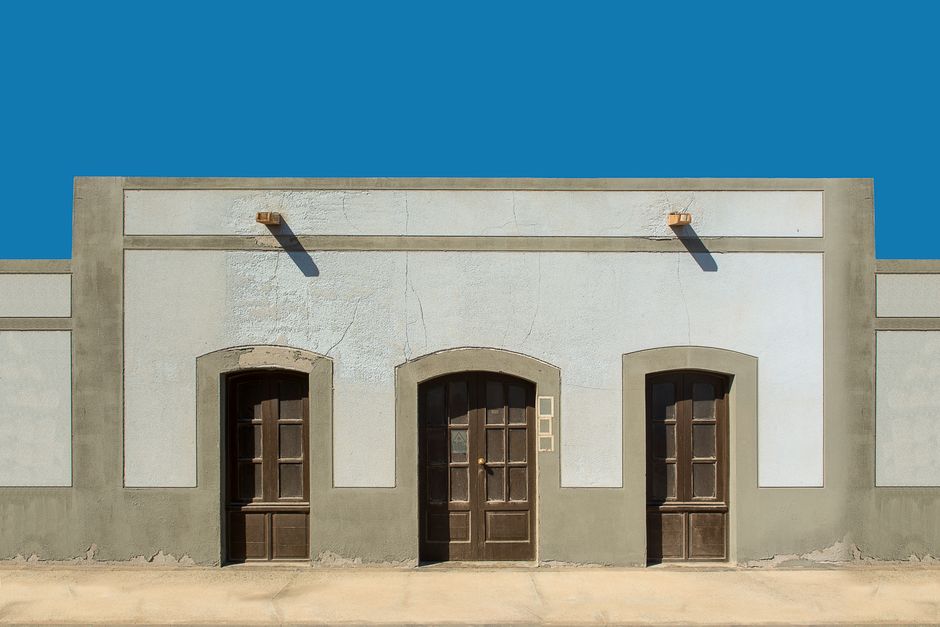
Castolon preserves a small piece of the area’s ranching and borderlands history. The site sits along Ross Maxwell Scenic Drive and is close to the Rio Grande, making it a convenient stop on a west-side park itinerary.
Facilities may be limited or temporarily closed. Treat the historic buildings with care and do not remove objects or disturb the site.
Tip 8 – Soak at the Big Bend Hot Springs
A short trail leads to the remains of an old bathhouse and a natural hot spring beside the Rio Grande. The setting is peaceful, but the pool is small and may be crowded. Water temperature and river conditions can vary.
Check current park guidance before going, bring drinking water, and use caution on the rocky path. Do not enter the river unless conditions and official guidance make it safe.
Tip 9 – Paddle or float the Rio Grande with a permitted outfitter
The Rio Grande offers a different view of Big Bend’s canyon country. Guided trips can range from short floats to multi-day river journeys, depending on the section and water conditions. A licensed local outfitter can explain permits, equipment, and current river safety.
River levels and access can change, and not every trip is suitable for beginners. Book ahead for popular dates and follow the outfitter’s advice rather than relying on old trip reports.
Tip 10 – Look for wildlife from a safe distance

Big Bend is home to javelinas, deer, roadrunners, bats, and many other animals. Dawn and dusk are often good times to notice wildlife, but sightings are never guaranteed. Scan the roadside carefully and pull fully off the road before stopping.
Keep a respectful distance, never feed animals, and store food securely. Even small animals can bite or carry disease, and feeding wildlife can harm both visitors and animals.
Tip 11 – Spend an evening stargazing
Big Bend’s remote location and dark skies make nighttime viewing a highlight for many visitors. On a clear night, you may see a dense spread of stars and the Milky Way, depending on the season and moonlight.
Check the forecast, let your eyes adjust to the darkness, and use a dim red light if you have one. Avoid shining bright lights at other visitors or driving unfamiliar roads after a long day outdoors.
Tip 12 – Visit the Terlingua Ghost Town
Terlingua Ghost Town, outside the park near Study Butte, has historic mining remains, a small cemetery, places to eat, and local shops. It makes an easy addition to a west-side park visit and is a useful place to restock before heading into the park.
It is a small community rather than a large entertainment district. Check opening hours for individual businesses, especially outside the busiest travel seasons.
Tip 13 – Plan a meal in Terlingua or Study Butte

Terlingua and nearby Study Butte offer a small selection of casual restaurants, cafes, and stores. You may find Tex-Mex dishes, barbecue, and other filling meals after a day outside. Choices are limited compared with a city, and business hours can change.
Carry snacks and drinking water in your car, and do not assume a restaurant or store will be open late. If you are planning a separate island holiday, our guide to 20 fun and best things to do in Santorini can help with ideas for a very different kind of trip.
Tip 14 – Try a short nature trail with children
Families can enjoy shorter walks such as the Chihuahuan Desert Nature Trail near the Chisos Basin, where signs introduce desert plants and habitats. Keep the outing flexible, take regular water breaks, and choose a route that suits the youngest hiker.
There is little shade on many trails. Avoid the hottest part of the day, and make sure children understand not to touch plants, rocks, or wildlife.
Tip 15 – Drive the park’s paved roads at an unhurried pace
Driving is part of the Big Bend experience, not just a way to get between attractions. The paved routes cross open desert and mountain landscapes, but wildlife, curves, and changing road conditions call for a slower pace.
Fill your tank before entering the park when possible. Check the National Park Service’s current Big Bend road and trail conditions before setting off.
Tip 16 – Check out the Boquillas del Carmen border crossing
When the crossing is open, eligible visitors may be able to cross the Rio Grande to Boquillas del Carmen in Mexico for a small community visit. This is an international border crossing, not an informal river trip. You need the required travel documents and must follow official crossing procedures.
Check the National Park Service’s current Boquillas Crossing information before making plans. Hours, services, and crossing arrangements can change.
Tip 17 – Choose a base that matches your plans
Terlingua and Study Butte are convenient for the park’s west entrance, Santa Elena Canyon, and Ross Maxwell Scenic Drive. Marathon is a useful stop near the north entrance. Alpine has more services than the smaller communities but involves a longer drive to many park sights.
Compare driving times as well as room prices. Staying close to one entrance can save time, while splitting a longer trip between areas may make sense if you want to explore more of the park.
Tip 18 – Book campsites and lodging early
Big Bend is remote, and accommodation options are limited compared with major destinations. Campsites and nearby lodging can fill quickly in busy periods. Reserve ahead where possible and review cancellation rules before confirming.
Use the official Recreation.gov Big Bend camping listings to check reservable sites. Confirm whether your chosen campsite has water, shade, and the facilities you need.
Tip 19 – Carry offline maps and an emergency plan
Mobile phone service is limited in much of the park. Download maps and any useful travel information before you arrive, and tell someone where you plan to hike. Bring a paper map or another backup if you are going beyond a short roadside walk.
For an emergency in the park, call 911 if you have service or contact a park employee when possible. Do not assume roadside assistance or a quick phone signal will be available. Share your route and expected return time with someone you trust.
Tip 20 – Pack for heat, cold, and changing conditions
Big Bend’s weather can vary by elevation and time of day. Pack sturdy walking shoes, sun protection, a hat, layers, food, and plenty of water. A light jacket can be useful in the mountains or after sunset, even when the desert floor feels warm.
Check the forecast and official park alerts before each outing. The most common visitor mistake is underestimating the heat, distances, and lack of services. Shorten your plans if conditions are more demanding than expected.
Visa & Entry Requirements
Big Bend is in the United States, so international visitors must meet the entry rules that apply to their own passport and travel circumstances. Visa requirements, passport-validity rules, electronic travel authorization, vaccination guidance, customs procedures, and permitted length of stay can change with government policy. Requirements are not the same for every traveler, and having a visa or authorization does not guarantee admission at the border.
Before booking, check the U.S. Department of State’s official U.S. visa information and the U.S. Customs and Border Protection ESTA website if you may be eligible to travel under the Visa Waiver Program. Use the official instructions for your passport, purpose of travel, and planned dates. Do not rely only on airline summaries or advice written for a different nationality.
Check that your passport will be valid for the required period and has any blank pages needed for your journey. Passport-validity rules can vary, so confirm them with official U.S. government guidance and your airline. If a visa or electronic authorization is required, allow time to apply and verify that the details match your passport. Keep copies of important documents separate from the originals.
Border officers may ask about your travel plans, return or onward travel, and where you will stay. Keep accommodation details and a clear outline of your itinerary accessible. Travel insurance is sensible for a remote outdoor trip, though it is not a substitute for entry documents and may not be a U.S. entry requirement. Review current customs rules for food, plants, medicines, and other goods, and make any required declarations.
Vaccination and health-document rules can depend on current policy, your travel history, and other circumstances. Confirm the latest instructions before departure. For a visit to Big Bend, also check whether you intend to cross into Mexico at Boquillas, since that trip involves a separate international border process and its own document requirements. Consult the relevant official U.S. and Mexican government sources for final details. This is general travel information, not legal advice, and official government guidance is the final reference.
Frequently Asked Questions About Things to Do in Big Bend
How many days do you need in Big Bend?
Two or three days can cover a few major sights, such as the Chisos Basin, Santa Elena Canyon, and a scenic drive. A longer stay gives you more time for hiking and reduces the need to rush between distant areas.
What are the best things to do in Big Bend for first-time visitors?
Start with a scenic drive, a short walk in the Chisos Basin, and a visit to Santa Elena Canyon. Add a hot spring visit or stargazing if conditions and your schedule allow. Check park updates before choosing your routes.
Do you need a car in Big Bend?
Yes, a car is the practical way to reach trailheads and different areas of the park. There is no regular public transport connecting the park’s attractions. Bring enough fuel and supplies, and check road conditions before driving.
When is the best time to visit Big Bend?
Fall, winter, and spring often have more comfortable daytime conditions for hiking, though nights can be cold. Spring is a popular time to visit, so book early. Summer heat can be intense, and outdoor plans may need to be limited to cooler hours.
Is Big Bend suitable for families?
Yes, families can enjoy scenic drives, the Fossil Discovery Exhibit, short nature walks, and stargazing. Choose activities based on children’s ages and the weather. Bring plenty of water, sun protection, snacks, and layers.
Can you visit Big Bend without hiking?
Yes. Scenic drives, visitor sites, roadside viewpoints, the Fossil Discovery Exhibit, and nearby Terlingua offer ways to enjoy the region without taking a long hike. You will still need to plan for driving distances and bring food and water.
Is there phone service in Big Bend National Park?
Phone service is unreliable across much of the park. Download maps in advance, carry a backup navigation option, and tell someone your plans if you are hiking or driving to remote areas.
Conclusion: Make Time for the Best Things to Do in Big Bend
Big Bend is a place for slow travel, open landscapes, and careful planning. The best things to do in Big Bend include mountain hikes, scenic drives, canyon views, hot springs, local history, and nights beneath the stars.
Choose a base that works for your route, check conditions each day, and carry enough water, fuel, and food for the distances ahead. With realistic plans and a little flexibility, you can enjoy Big Bend’s desert and mountain scenery at a comfortable pace.
1 thought on “20 Fun and Best things to do in big bend”