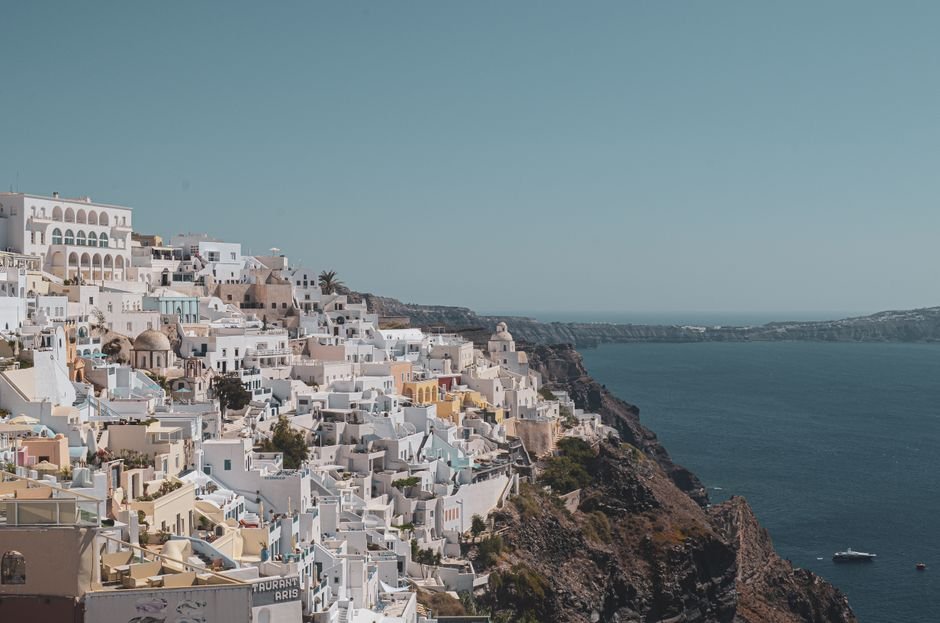
best things to do in santorini include watching the caldera glow at sunset, exploring ancient ruins, tasting local wine, and relaxing by the Aegean Sea. This Greek island is beautiful, but its steep paths, busy summer streets, and spread-out villages make a little planning worthwhile.
Santorini is part of the Cyclades in Greece. Most visitors arrive by plane or ferry and stay in Fira, Oia, Imerovigli, or one of the island’s beach villages. Each area has a different feel, so choose your base according to your budget and the kind of trip you want.
This guide covers the best things to do in santorini, along with practical advice on transport, food, safety, entry rules, and booking ahead. You can see the headline sights in a few days, but a slower visit gives you more time to enjoy the island beyond its famous views.
20 Best Things to Do in Santorini
Use this quick guide to match activities with your available time. Travel times can change with traffic, weather, and seasonal services, so check locally before setting out.
| Experience | Best for | Helpful note |
|---|---|---|
| Oia sunset | First-time visitors and photographers | Arrive early or watch from a quieter village |
| Fira to Oia hike | Walkers and caldera views | Allow several hours and carry water |
| Akrotiri archaeological site | History and culture | Check opening times before visiting |
| Caldera boat trip | Swimming and volcanic scenery | Compare inclusions and cancellation terms |
| Kamari or Perissa | Beach time and families | Bring water shoes for the dark volcanic sand |
Tip 1 – Watch the sunset in Oia

Oia is famous for its sunset over the caldera, and the view is worth seeing if you have time. The most popular lanes and viewpoints become crowded, especially in peak summer. Arrive well before sunset, keep clear of private terraces, and be patient when moving through narrow streets.
You do not have to watch from the busiest castle ruins. Choose a spot along the village’s public lanes, or enjoy the changing light from a restaurant or accommodation with a view. The sun sets behind the island of Thirasia, so the exact view depends on where you stand.
Tip 2 – Explore Fira’s lanes and museums
Fira is Santorini’s main town and a useful base for buses, shops, restaurants, and boat tours. Walk through its pedestrian lanes for caldera views, then visit the Museum of Prehistoric Thera to learn about the island’s ancient past. Opening schedules can vary by season, so check before going.
Fira is lively and convenient, but it can feel busy when cruise visitors arrive. For a quieter visit, explore early in the morning or later in the evening, and take breaks at a cafe away from the main viewpoints.
Tip 3 – Hike the caldera trail from Fira to Oia

The walk from Fira to Oia passes through Firostefani and Imerovigli, with wide caldera views along much of the route. It is roughly 10 kilometres, though the exact distance depends on your start and finish points. Allow around three to five hours, including stops.
Some sections are uneven, exposed, or steep. Start early to avoid the strongest heat, wear sturdy shoes, and bring water, sun protection, and a charged phone. If you do not want to walk back, check the bus options from Oia or arrange a taxi in advance.
Tip 4 – Visit the ancient site of Akrotiri
Akrotiri is an archaeological site preserved beneath volcanic material. Walkways lead through the excavated settlement, where you can see the remains of buildings and learn about life on the island before the major eruption. It is one of the most rewarding cultural stops on Santorini.
Pair the site with a visit to the nearby village of Akrotiri or the island’s southern beaches. Check current opening hours and ticket details before travelling, as services and access arrangements can change.
Tip 5 – Take a caldera boat trip
Boat trips offer a different perspective on Santorini’s cliffs and volcanic coastline. Many tours visit the volcanic islets, stop near hot springs, or include time to swim. The water may be cool, and the mineral-rich hot spring area is not always as warm as visitors expect.
Compare trip length, departure point, food, and what is included before booking. Some boats leave from Athinios port, while others use a different harbour. If you are prone to seasickness, consider a shorter trip and bring suitable medication.
Tip 6 – Spend time at Kamari or Perissa Beach
Kamari and Perissa are popular beach villages on the eastern side of the island. Both have dark volcanic sand, swimming areas, sunbeds, cafes, and restaurants. They are a practical choice for a relaxed beach day and can be more affordable than staying on the caldera rim.
The sand and small stones can get hot, so pack sandals or water shoes. Check sea conditions before swimming, and follow local flags or lifeguard guidance where available.
Tip 7 – See the Red Beach and southern coast

Red Beach is known for its rust-coloured cliffs and dark shoreline near Akrotiri. The scenery is striking, but access conditions can change because of falling rocks or safety restrictions. Follow posted signs and do not cross a closed area just to reach a particular viewpoint.
If access is restricted, enjoy the view from a safe public lookout and explore other beaches nearby. The southern coast has several places to stop, but facilities vary, so bring drinking water and check transport back before settling in.
Tip 8 – Visit Pyrgos for village views
Pyrgos sits inland on higher ground and offers a quieter alternative to the busiest caldera villages. Wander through its narrow lanes, look for old churches, and climb towards the remains of the Venetian castle for views across the island.
The village has cafes and tavernas, but fewer options than Fira or Oia. Wear comfortable shoes because the paths are steep and uneven, and plan your return if you are relying on a bus or taxi.
Tip 9 – Taste Santorini’s local food
Try dishes made with local ingredients, such as fava, tomato fritters, capers, and white eggplant. Fresh seafood is common, though prices can be high in waterfront areas. Ask what is in season and look at menus before sitting down, especially in the most visited villages.
A simple lunch at a family-run taverna away from the caldera can be a good way to try local cooking without paying for a famous view. If you have dietary needs, explain them clearly and confirm ingredients with the staff.
Tip 10 – Visit a Santorini winery

Santorini is known for Assyrtiko wine and its distinctive basket-trained vines. A winery visit can introduce you to local grape varieties, volcanic soils, and the island’s dry growing conditions. Some wineries offer tastings with views, but reservations may be useful in high season.
Plan a safe ride if you intend to drink. Use a designated driver, taxi, or organised tour rather than driving after a tasting. Check whether the winery is reachable by public transport before booking.
Tip 11 – Explore Emporio and its old lanes
Emporio is one of Santorini’s larger traditional villages and feels different from the cliffside resort towns. Its old fortified quarter, known as the kasteli, has narrow passages and historic architecture worth exploring at a gentle pace.
Respect residents’ privacy, since some homes and courtyards are close to public paths. Visit during daylight, wear shoes with a good grip, and stop for a drink or meal at a local cafe.
Tip 12 – Visit Ancient Thera
Ancient Thera stands on Mesa Vouno above Kamari and Perissa. The site includes remains from different periods and provides sweeping views over the coast. Its elevated setting makes it a memorable visit, but the approach is steep and exposed.
Check access and opening details before you go. Avoid the hottest part of the day, carry water, and do not attempt the climb if the weather or your health makes it unsafe. A taxi or organised excursion may be more comfortable than walking up.
Tip 13 – Browse Fira’s shops and local markets

Fira has shops selling local food, ceramics, jewellery, clothing, and souvenirs. Look for products made on the island, and ask about ingredients or materials if you want something genuinely local. Prices can vary, so compare a few shops before buying.
For a thoughtful souvenir, consider local wine, capers, or a small piece of craftwork that is easy to pack. Keep receipts for higher-value purchases and check airline rules before carrying food or liquids home.
Tip 14 – Choose a quieter caldera village
Imerovigli and Firostefani offer caldera views and a more relaxed pace than central Fira or Oia in many areas. Imerovigli is known for its high position and Skaros Rock, while Firostefani is close enough to Fira to walk between the two in many conditions.
Quiet does not always mean inexpensive. Accommodation with a caldera view can cost a lot in every village. Compare rooms carefully, including stairs, luggage access, breakfast, and whether the view is private or shared.
Tip 15 – Watch the sunset somewhere less crowded
Oia is not the only place to enjoy evening light. Try a viewpoint in Imerovigli, a terrace in Fira, or a west-facing spot near Pyrgos, while respecting private property and local signs. A sunset from your own accommodation can be just as memorable without the crowds.
For other island inspiration, you can also read this guide to 20 Fun and Best things to do in manuel antonio, a very different destination with rainforest and Pacific coast scenery.
Tip 16 – Try a beach day with children
Kamari and Perissa have services that can make a family beach day easier, including places to eat and rent loungers. The dark sand can be hot, and some beaches become deep quickly, so keep children close to shore and supervise them in the water.
Pack shade, water, snacks, and footwear for the sand and pebbles. For a calmer outing, choose a less busy time of day and check the sea conditions before travelling.
Tip 17 – Use buses and plan transport carefully
Santorini’s public buses connect Fira with many villages, beaches, and the port or airport, but routes and frequency can vary by season. Fira is the main interchange. Check the latest timetable at the station or with the operator, and allow extra time during busy periods.
Taxis are limited compared with larger cities, and waiting times can increase at peak hours. If you rent a car, scooter, or ATV, check insurance, licence requirements, road conditions, and parking before setting off. Do not ride if you are unfamiliar with the vehicle or local roads.
Tip 18 – Choose the best time for your trip
Summer brings long sunny days and the busiest streets, beaches, and accommodation. Spring and early autumn can offer milder walking weather and a calmer feel, although opening hours and transport services may be more limited than in peak season. Winter is quieter, and some tourist businesses close.
For the Fira to Oia walk, sightseeing, and village visits, avoid the hottest part of a summer day. If you have fixed dates, book accommodation early, especially if you want a caldera view.
Tip 19 – Pack for cliffs, sun, and uneven paths
Bring comfortable walking shoes, a hat, sunscreen, sunglasses, a refillable water bottle, and a light layer for breezy evenings or boat trips. Sandals may work for a short village stroll, but they are not ideal for rocky paths or the caldera hike.
Carry any personal medication and keep a copy of important travel documents. A small day bag is useful for water and sun protection, but avoid carrying valuables loosely in crowded streets.
Tip 20 – Learn a few local phrases and know what to do in an emergency
A friendly “kalimera” means good morning, “parakalo” means please or you are welcome, and “efcharisto” means thank you. English is commonly understood in visitor areas, but a few Greek words are appreciated. Ask before photographing residents or entering a church, and dress respectfully at religious sites.
Save your accommodation address and the local emergency number before you need them. Across Greece, call 112 for emergency assistance. The European Commission’s 112 emergency information explains how the number works. For maps and transport, download offline directions and check bus information with the local operator before travelling.
Visa & Entry Requirements
Santorini is part of Greece, so entry rules are set by Greece and the wider Schengen area. Requirements depend on the passport you travel on and the government policies in force on your travel date. Some visitors may need a visa, while others may be allowed to enter visa-free for a limited stay. Do not assume that rules applying to one nationality apply to everyone.
Before booking, check your passport’s expiry date and make sure it has enough validity and blank pages for your route. Confirm whether you need a Schengen visa or an electronic travel authorization, if one applies to your passport at that time. Rules can change, so use the Greek Ministry of Migration and Asylum and the European Union’s official entry guidance as starting points, then confirm details with the Greek embassy or consulate responsible for your place of residence.
Border officials may ask about your return or onward journey, accommodation, purpose of travel, and ability to support yourself. Keep relevant booking details accessible, but remember that required documents vary by traveler and situation. Travel insurance is a sensible precaution for medical care, cancellations, and lost belongings. Check whether your policy covers your planned activities, including boat trips or vehicle rental.
Vaccination, health, customs, and length-of-stay rules can also depend on your passport, route, and current government policy. Check official advice about carrying medicines, food, alcohol, or other restricted goods, and make any required customs declarations. If you transit through another country, review its rules too. Official sources provide the final requirements; this general information is not legal advice and cannot guarantee entry.
Frequently Asked Questions About the Best Things to Do in Santorini
How many days should I spend in Santorini?
Three or four days is a useful first visit. It gives you time for the main villages, a beach, one cultural site, and a boat trip or winery visit. Add more days if you want a slower pace or plan to hike and explore several villages.
What are the best things to do in santorini for first-time visitors?
Walk through Fira and Oia, take in the caldera views, visit Akrotiri, try local food, and spend time at a beach such as Kamari or Perissa. A boat trip is another popular way to see the volcanic coastline.
Is Santorini expensive?
It can be, particularly for caldera-view accommodation, taxis, and restaurants in the busiest locations. Save money by staying away from the caldera, using buses, eating at local tavernas, and visiting outside the busiest summer weeks.
What is the most common tourist mistake in Santorini?
Trying to fit too much into one day is a common mistake. Travel between villages can take longer than expected, and crowds, heat, and steep paths can slow you down. Choose a few priorities each day and leave room for breaks.
Is Santorini suitable for families?
Yes, though the island has steep lanes, steps, and uneven paths that may be difficult with a stroller. Beach villages such as Kamari and Perissa have useful services for families. Check accommodation access and transport needs before booking.
Is it easy to get around Santorini without a car?
Many visitors use public buses, especially when staying near a bus stop. Fira is the main hub, but routes may be crowded or less frequent outside peak season. Check current schedules and plan ahead for late-night returns or remote stops.
When is the best time to visit Santorini?
Spring and early autumn are often comfortable for walking and sightseeing, with fewer visitors than the busiest summer period. Summer is best for long beach days but brings more heat and crowds. Some businesses and services operate less often in winter.
Conclusion: Plan a Memorable Santorini Trip
The best things to do in santorini bring together dramatic caldera views, ancient history, local food, volcanic beaches, and small village experiences. You can follow the classic route through Fira and Oia, or balance those famous stops with quieter places such as Pyrgos and Emporio.
Choose your base carefully, check transport and opening details, and leave time to rest between outings. Book important activities ahead in busy months, carry water and sun protection, and respect local safety signs and residents’ spaces.
With a flexible plan and realistic expectations about crowds and travel times, the best things to do in santorini can make for a rewarding visit to this distinctive Greek island.
1 thought on “20 Fun and Best best things to do in santorini”