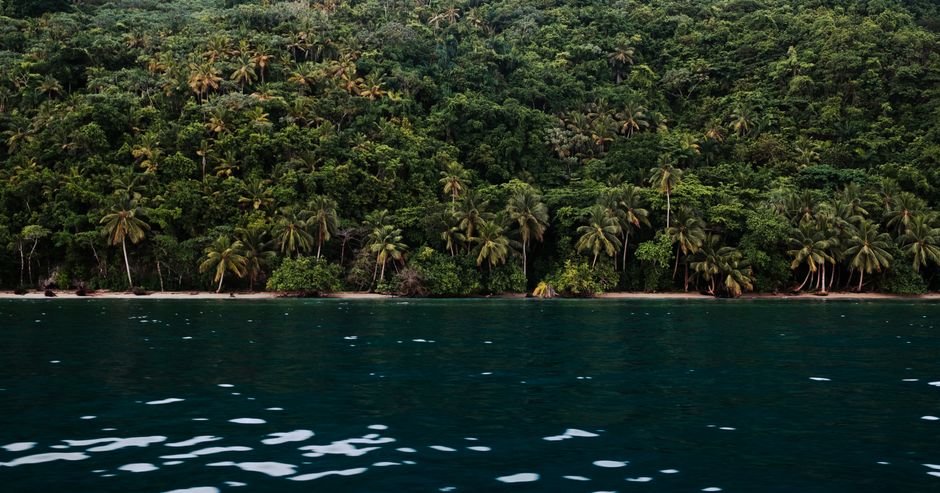
things to do in manuel antonio range from walking rainforest trails to swimming on the Pacific coast. This small Costa Rican destination is a great choice for wildlife, beaches, and an easygoing nature-focused trip.
Manuel Antonio is in Puntarenas Province, beside the town of Quepos. The national park is its best-known attraction, but you can also take a boat through mangroves, eat fresh seafood, or spend an afternoon on the beach.
Use this guide to plan the best things to do in Manuel Antonio, with practical tips on transport, park visits, food, safety, and when to go. The area is compact, but steep roads, busy beaches, and popular tours make a little planning worthwhile.
20 Things to Do in Manuel Antonio
These ideas cover Manuel Antonio National Park, beaches, local activities, and useful trip planning. Choose a few each day rather than trying to fit everything into one rushed visit.
Tip 1 – Explore Manuel Antonio National Park

Manuel Antonio National Park combines rainforest trails, wildlife, and Pacific beaches in one protected area. Go early, when it is cooler and the trails are generally less busy. Check the current opening schedule and ticket rules before setting out, as access policies can change.
A naturalist guide can help you spot animals that are easy to miss, such as sloths, iguanas, and small frogs. Stay on marked paths, keep a respectful distance from wildlife, and do not feed animals.
Tip 2 – Book park admission through the official system
Park entry is popular, especially in busy travel periods, so check availability and book ahead through the official channel linked by Costa Rica’s National System of Conservation Areas. Confirm the date, entry time, identification requirements, and current visitor rules when you book.
Do not buy tickets from unofficial sellers who promise special access. The park has limited capacity, and you should plan around the entry slot shown on your reservation.
Tip 3 – Spend time at Playa Manuel Antonio

Playa Manuel Antonio is a beautiful beach within the national park, backed by tropical forest. Bring water, sun protection, and anything you need for a few hours, since facilities and food options inside protected areas may be limited or subject to change.
Swimming conditions vary. Check local advice, pay attention to warning signs, and do not assume that calm-looking water is safe.
Tip 4 – Relax on Playa Espadilla
Playa Espadilla, just outside the park entrance, is a convenient place to swim, walk, or watch the sunset without needing a park ticket. The beach is long and lively, with nearby restaurants and tour operators.
It can get busy, and beach vendors may approach visitors. Keep valuables secure and agree on prices before buying a drink, renting equipment, or booking an activity.
Tip 5 – Look for a quieter cove at Playa Biesanz
Playa Biesanz is a small cove north of the main beach area. It is often calmer in feel than Espadilla, but access involves a short path and can be uneven or muddy after rain. Wear shoes with grip and bring your own water.
Facilities are limited, and conditions can change with the tide and weather. Check with your accommodation or a local operator about current access before making the trip.
Tip 6 – Take a guided wildlife walk
A local guide can make a forest walk much more rewarding by helping you find camouflaged animals and explaining the area’s plants and ecosystems. Ask whether the guide has the required park access arranged, what is included, and how long the walk takes.
Bring binoculars if you have them, but avoid using flash photography around wildlife. A guide should help you observe animals without crowding or disturbing them.
Tip 7 – Take a catamaran trip along the coast

A catamaran cruise from the Quepos and Manuel Antonio area is a relaxing way to see the coastline from the water. Some trips include swimming or snorkeling stops, depending on sea conditions and the operator.
Compare departure points, trip length, food, and cancellation terms before booking. If you are prone to seasickness, choose a shorter outing or ask a pharmacist about suitable options before travel.
Tip 8 – Explore the Damas Island mangroves
Boat and kayak tours through the Damas Island mangroves near Quepos offer a different view of the region’s wildlife and coastal habitat. A guided trip is often useful for learning about the mangrove ecosystem and spotting birds or reptiles.
Ask about group size, transport from your hotel, and whether the tour is suitable for children. Follow the guide’s instructions and avoid touching or feeding animals.
Tip 9 – Walk through Quepos
Quepos is the area’s working town and a useful place to see daily life beyond the resort strip. Walk around the marina and central streets, browse small shops, or stop for a casual meal.
Quepos is also a practical base for groceries, local services, and transport. The town and Manuel Antonio are connected by a short but hilly road, so check the return transport plan before staying out late.
Tip 10 – Watch the sunset from the coast

The Pacific-facing beaches around Manuel Antonio are popular places to watch the sky change color at the end of the day. Playa Espadilla is an easy option, while a restaurant terrace can be more comfortable if you want dinner afterward.
Sunset times are fairly consistent in this part of Costa Rica, but clouds and rain can affect the view. Keep an eye on the time so you can leave the beach safely before it gets dark.
Tip 11 – Try Costa Rican food and fresh seafood
Look for casado, a filling plate often served with rice, beans, salad, and a choice of protein. Gallo pinto is a common breakfast, while fresh fish and ceviche are easy to find in the coastal area.
Small local restaurants can be good value compared with ocean-view dining. Ask what is fresh, check whether service is included, and mention allergies clearly. Spanish phrases such as “sin maní” for “without peanuts” can help, but confirm that staff understand your needs.
Tip 12 – Visit the Quepos marina
The marina is a good stop for a meal, a waterfront stroll, or a look at the boats. It also serves as a departure point for some fishing and sightseeing trips, so confirm your meeting location rather than assuming every tour leaves from the same dock.
Prices around the waterfront may be higher than in central Quepos. Check menus before sitting down if you are keeping to a budget.
Tip 13 – Choose a local cooking or culture experience
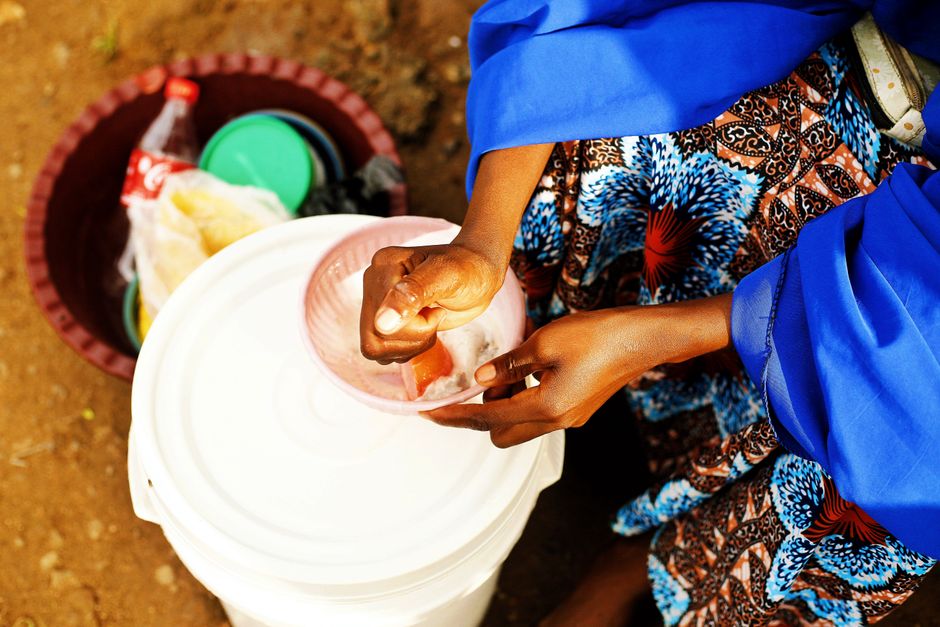
Ask your hotel or a reputable local operator about cooking classes, food walks, or small-group cultural activities in the Quepos and Manuel Antonio area. These experiences can add context to the local ingredients and everyday Costa Rican cooking.
Check what the price includes and let the host know about dietary needs in advance. A small class can be more personal, but it may need to be booked ahead.
Tip 14 – Go snorkeling when conditions allow
Some catamaran and boat excursions offer snorkeling along the coast. Visibility and sea conditions vary, so treat snorkeling as a weather-dependent activity rather than a guaranteed highlight.
Use properly fitted equipment and follow the crew’s safety instructions. If you are not a confident swimmer, ask about flotation equipment and stay within the area supervised by the guide.
Tip 15 – Visit during the dry season or embrace the rain
Manuel Antonio is warm throughout the year. The drier months are often popular for beach time, while the wetter season brings heavier showers and greener scenery. Rain can arrive quickly, so a light waterproof layer is useful in any season.
Exact weather patterns vary from year to year. For broader seasonal guidance, check the official Costa Rica tourism website and confirm local conditions close to your trip.
Tip 16 – Get around by bus, taxi, or shuttle
The local road between Quepos and Manuel Antonio is steep and can be congested. Public buses and taxis operate in the area, and hotels can usually advise on current stops and service. Confirm the fare and destination before getting into a taxi.
For a day trip to the national park, avoid assuming there will be convenient parking close to the entrance. Walking can be tiring on the hills, especially in heat, so choose transport that suits your mobility and plans.
Tip 17 – Plan a family-friendly beach day
Families can pair a shorter park visit with time on a nearby beach, rather than expecting young children to manage a long hike in the heat. Carry snacks for after your visit, since food rules in the park may restrict what you can bring.
Keep children within reach near the water and check surf conditions before swimming. A rash guard, hat, and frequent water breaks can make a hot day more comfortable.
Tip 18 – Keep costs under control
Park admission, guided tours, and ocean excursions can make a Manuel Antonio visit more expensive than expected. Choose one or two paid activities, eat some meals in Quepos, and use the public bus when it fits your schedule.
The Costa Rican colón is the local currency. Some tourism businesses accept US dollars, but exchange rates and change can vary. Carry some colones for small purchases and check card fees with your bank.
Tip 19 – Pack for sun, rain, and forest trails
Pack reef-conscious sun protection, a refillable water bottle, insect repellent, comfortable walking shoes, and a light rain jacket. Quick-drying clothes are useful after a humid hike or a swim.
Leave valuables in a secure place and take only what you need to the beach. A dry bag can protect a phone and documents on a boat trip, but it is not a substitute for keeping them attended.
Tip 20 – Avoid the most common visitor mistake
The biggest planning mistake is arriving at the national park without checking the current ticket process, opening days, and entry rules. Capacity and operating details can change, and showing up without the required reservation may disrupt your day.
Check official park information shortly before your visit, allow time for the hilly journey, and do not pack too many activities into one day. If you are planning other nature-focused trips, you may also enjoy our guide to 20 Fun and Best things to do in jasper ga.
Visa & Entry Requirements
Entry requirements for Costa Rica depend on the traveler’s passport and the rules in force on the day of travel. Visa requirements, passport-validity rules, any electronic travel authorization, vaccination requirements, customs procedures, and permitted length of stay can differ by nationality and may change. Do not rely on advice written for a different passport holder or assume that a previous trip’s rules still apply.
Before travelling to Manuel Antonio, check the latest guidance from Costa Rica’s immigration authority and the nearest Costa Rican embassy or consulate. The official Costa Rican Directorate General of Migration and Foreigners is a starting point for entry information. If the relevant details are not clear, contact the consulate responsible for your place of residence.
Check that your passport is valid for the period required for your circumstances and has any required blank pages. Confirm whether you need a visa or electronic authorization, and whether your airline needs to see proof of onward or return travel. Have your accommodation details available, including the address of your hotel in Manuel Antonio or Quepos.
Travel insurance is not a substitute for entry permission, but it can help with medical costs, trip disruption, or lost belongings. Review the policy limits and any exclusions for activities such as boating or hiking. Check current vaccination guidance with an official health authority or a travel-health professional, particularly if your itinerary includes other countries.
Declare goods and currency when required, and check Costa Rica’s current customs restrictions before packing food, plants, animal products, or medication. Keep copies of important documents separate from the originals. These are practical reminders, not legal advice or a guarantee of admission. The final decision rests with Costa Rican authorities, so verify all requirements close to departure.
FAQs About Things to Do in Manuel Antonio
How many days should I spend in Manuel Antonio?
Two or three days is a comfortable amount of time for the national park, a beach visit, and one activity such as a catamaran or mangrove tour. Add more time if you want a slower pace or plan to use Quepos as a base for nearby excursions.
Is Manuel Antonio National Park worth visiting?
Yes, especially if you want to combine rainforest, wildlife, and beaches in one place. It is a popular park, so book through the official system, go early if possible, and consider a guide if spotting wildlife is a priority.
Can you visit Manuel Antonio without a car?
Yes. Many visitors use local buses, taxis, hotel shuttles, or organized tours between Quepos, Manuel Antonio, and the park area. Check current schedules and transport arrangements before setting out, especially for an early start or an evening return.
What is the best time of year to visit Manuel Antonio?
The drier months are often favored for beach days, while the wetter season can be lush and less predictable. Weather varies, and showers can happen at any time, so choose dates that suit your priorities and pack a light rain layer.
Is Manuel Antonio suitable for families?
Yes, but plan around heat, hills, and the ages and stamina of the children in your group. A shorter park walk followed by a supervised beach visit may be easier than a full day of activities. Check swimming conditions and keep children close to the water.
What should I bring to Manuel Antonio National Park?
Bring water, comfortable shoes, sun protection, insect repellent, and a light rain jacket. Check current park rules before packing food or other items, and carry only the essentials you need for your visit.
Is Manuel Antonio safe for tourists?
Many travelers visit without problems, but use normal precautions. Keep valuables out of sight, use trusted transport, follow park and beach safety advice, and be cautious around surf and wildlife. In an emergency in Costa Rica, call 911.
Conclusion
The best things to do in Manuel Antonio bring together rainforest trails, wildlife, warm Pacific beaches, and local food. Give yourself enough time to enjoy the national park without rushing, and add a boat trip or a relaxed afternoon in Quepos if it suits your travel style.
Check park tickets, transport, and weather before you go, and respect local wildlife and beach conditions. With a little planning, Manuel Antonio can be an easy and memorable stop on a Costa Rica trip.
1 thought on “20 Fun and Best things to do in manuel antonio”